March in Austin means SXSW, and SXSW means figuring out one’s schedule to pack in as much cutting-edge programming as possible. At the Austin Film Society, we understand that it takes time to figure out what you’re going to (and how you’re getting there), so we want to make things as simple as we can for the people coming out to the events we’re helping throw.
Read on for the AFS Guide to SXSW, an easy digest of everything we’re doing to participate in this year’s festival, including filmmaker events, panels, meetups, and instructions for attending the screenings we’re hosting as a satellite venue.
AFS-Supported Filmmaker Events
We’re proud to have supported many filmmakers over the years, and several of them are exhibiting their work at SXSW 2023.
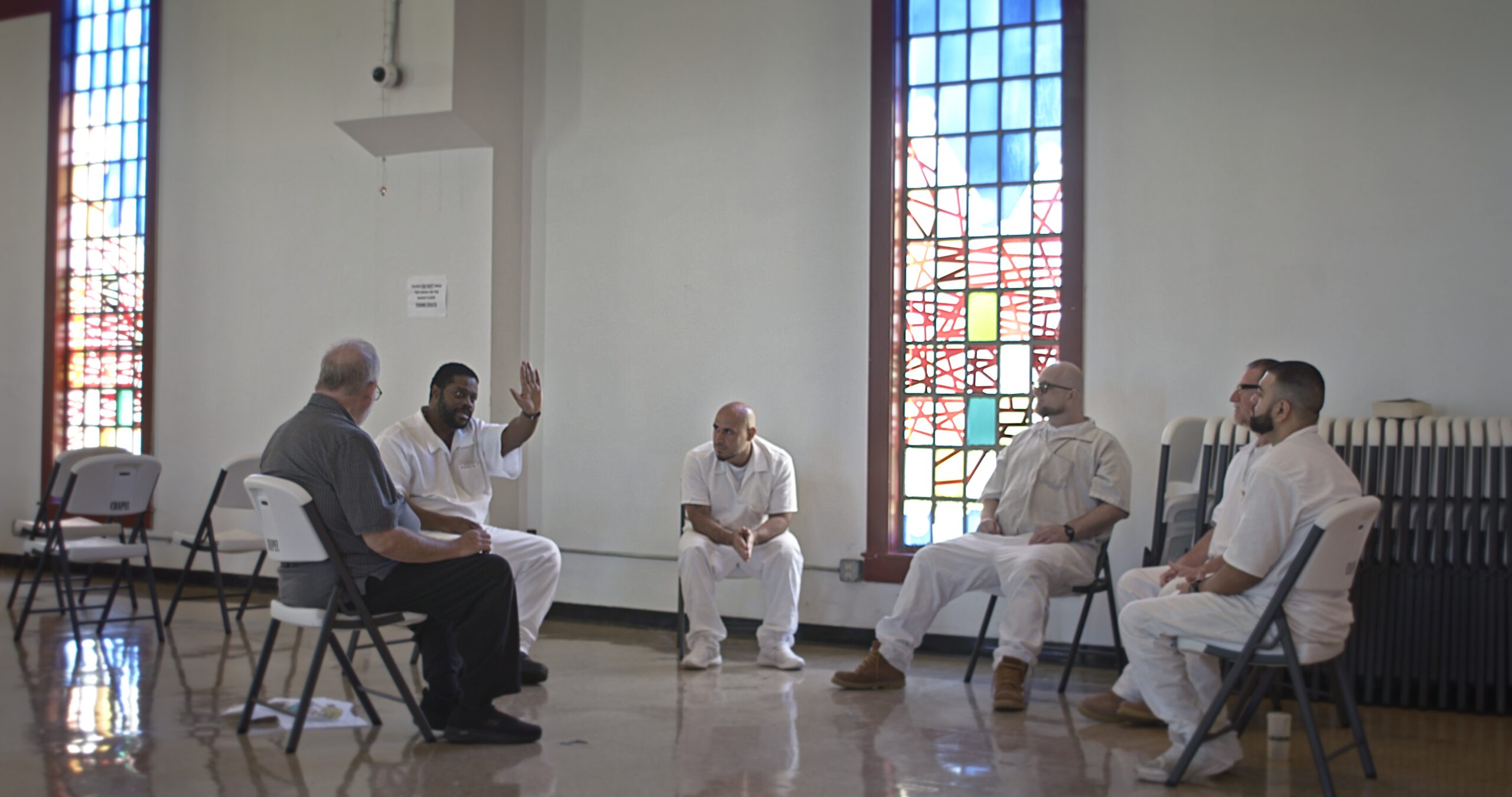
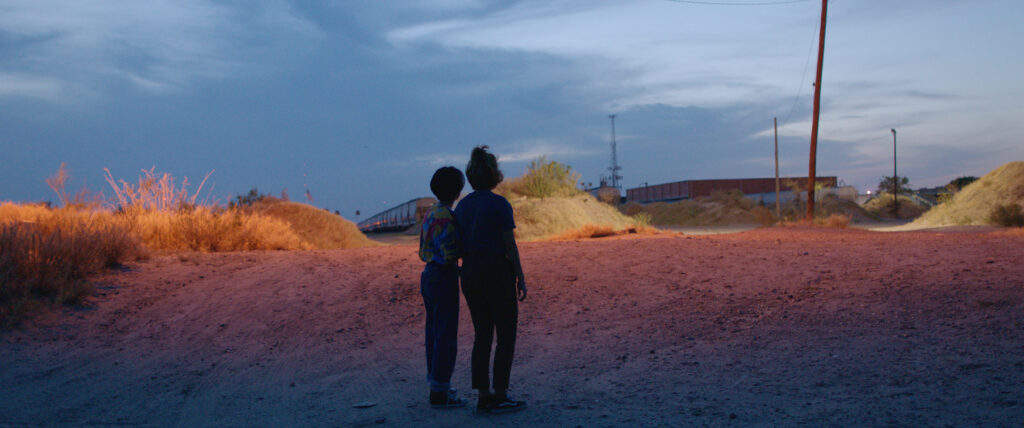
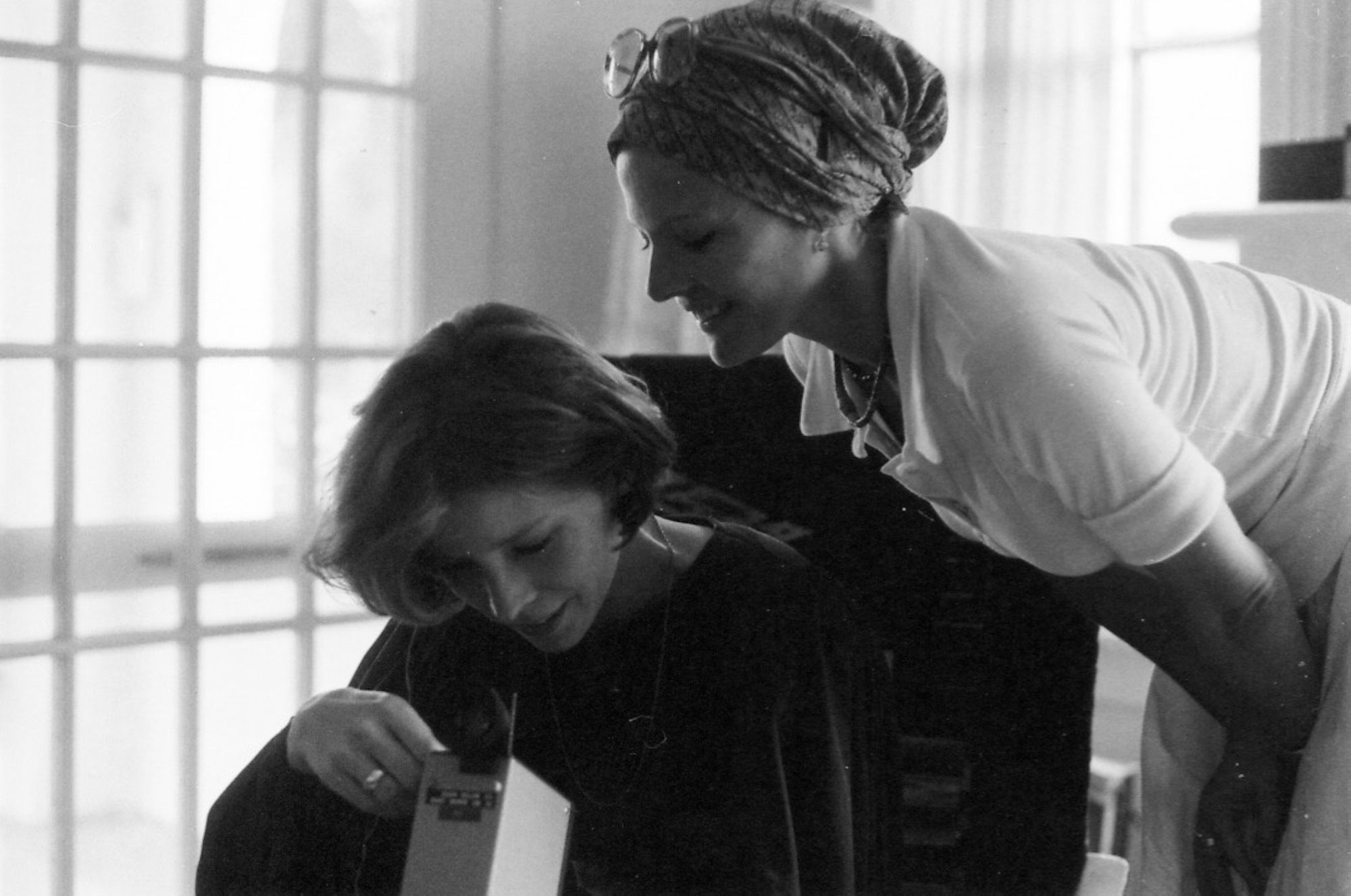
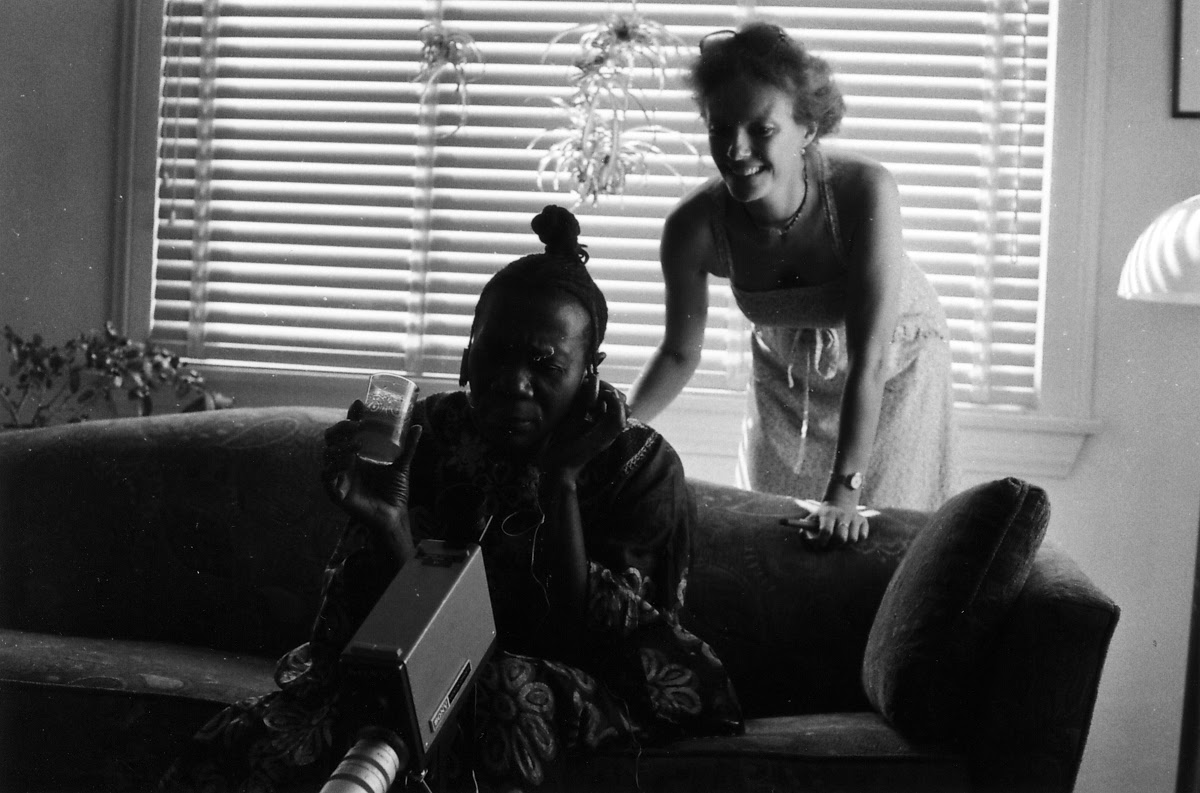
BREAKING SILENCE(pictured) March 10 | 5–6:50 PM | The Long Center March 14 | 11:30 AM–1:20 PM | The Long Center Amy Bench & Annie Silverstein (co-produced by Monique Walton)
WÜM March 10 | 5–6:50 PM | The Long Center March 14 | 11:30 AM–1:20 PM | The Long Center Anna Margaret Hollyman
WHEN YOU LEFT ME ON THAT BOULEVARD March 10 | 5–6:50 PM | The Long Center March 14 | 11:30 AM–1:20 PM | The Long Center Kayla Abuda Galang
In addition to film screenings, AFS staff, board members, and filmmakers are involved in community-building meetups and panel discussions this year.
Reimagining the Creative Workforce March 9 | 10–11 AM | Hilton Austin Downtown AFS Director of Community Education Rakeda Ervin and Program Manager of Community Education Jacob Ramon
While this is not an official SXSW event, it’s still a great way to meet filmmakers and see their work. The AFS ShortCase is an annual program of short films produced by our valued Austin Film Society MAKE members, and this year’s 89-minute program will show eight films by 10 filmmakers who will participate in a post-screening Q&A. This event is free and open to the public.
HERE TO MAKE FRIENDS Filmmaker: Meghan Ross
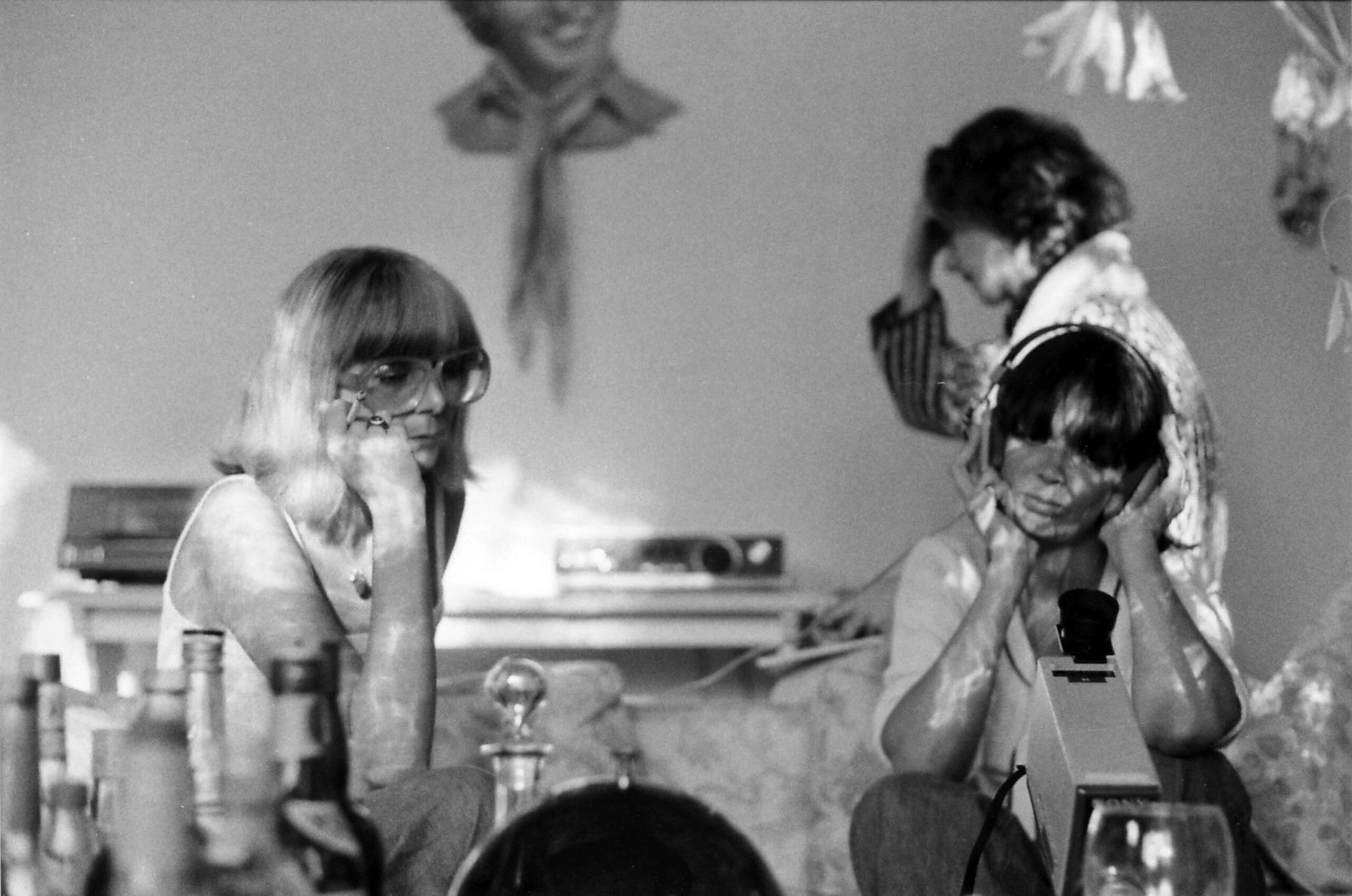
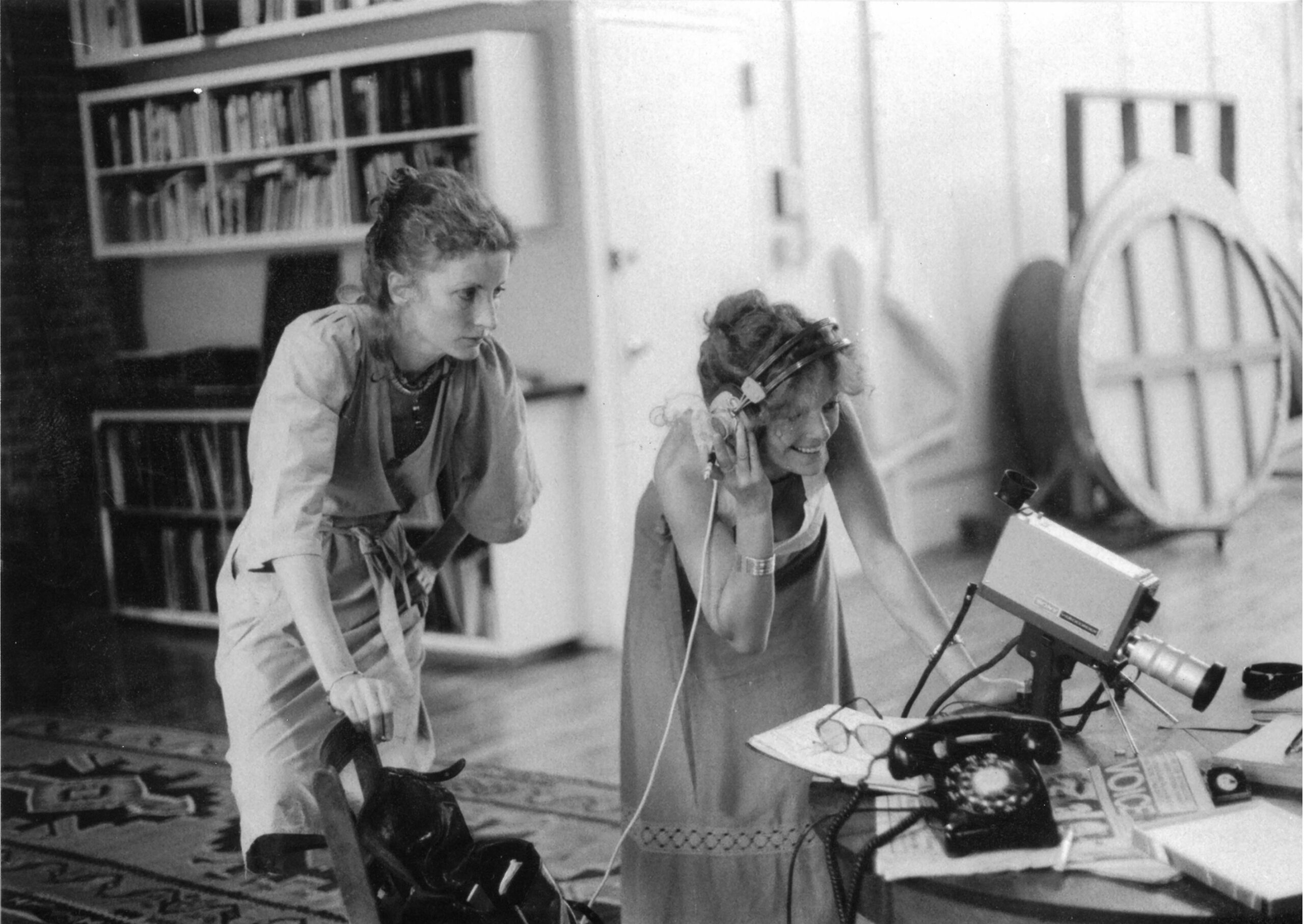
IT’S IN THE VOICES Filmmaker: Field Humphrey
GREEN WATER Filmmaker: Carlos Estrada
STYROFOAM JONES Filmmakers: Adan & Saulo Arriaga
NATURE’S BOUNTY Filmmaker: Chloe Linscomb
HONEY & MILK Filmmaker: Dash Donato
DOWN HOME Filmmakers: Liz Moskowitz & Riley Engemoen
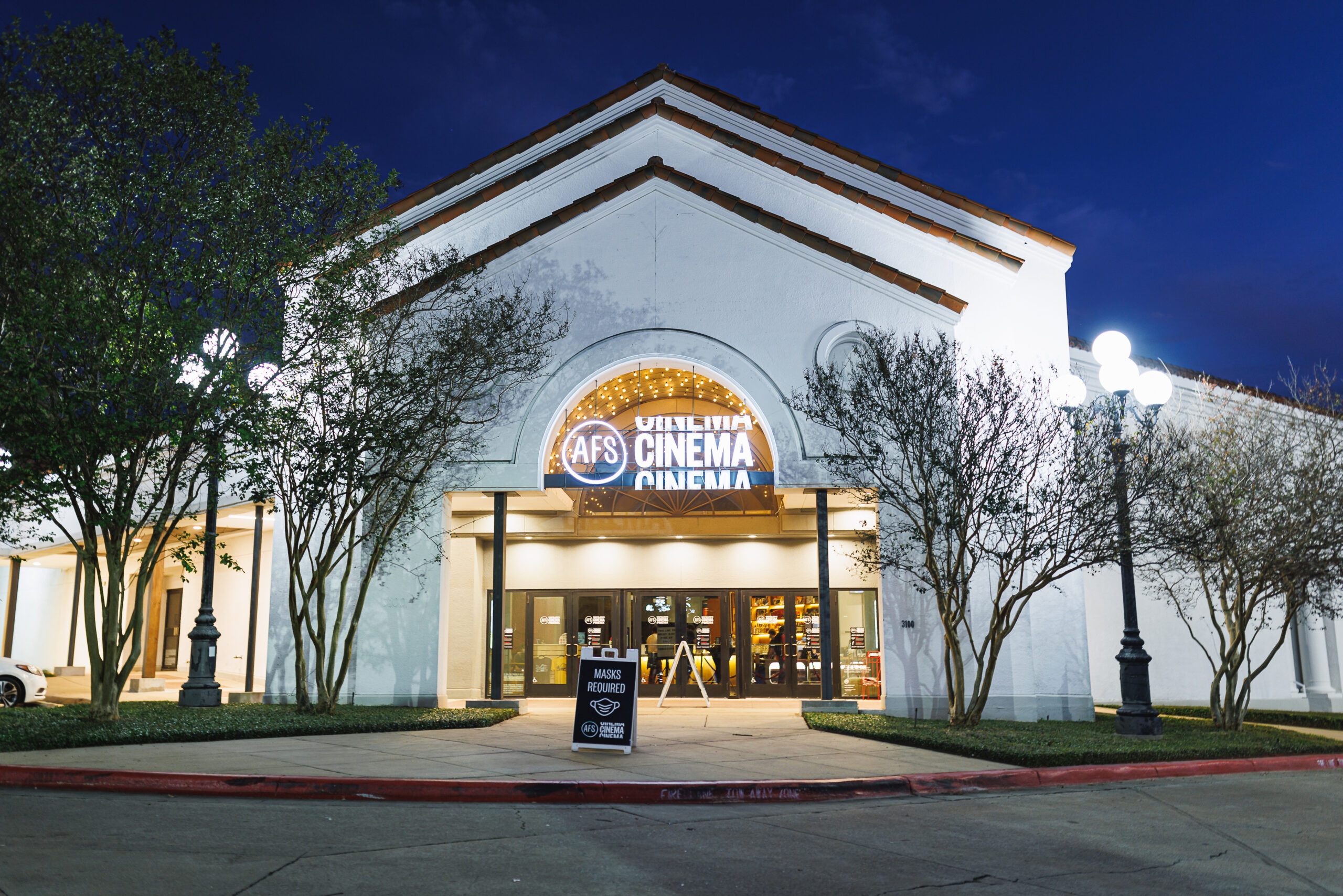
AFS is also honored to host SXSW Film programming as a satellite venue this year. All screenings are General Admission, and seating is subject to capacity (and will occur on a priority basis approximately 30 minutes before the screening starts). Attendees are advised to arrive as early as 60 minutes prior to the screening.
Primary Access: Film & Platinum Badges with SXXpress Passes
Primary Access: Film & Platinum Badges
Secondary Access: Film Wristbands, Music & Interactive Badges, Advance Single Tickets
Day-of Single Tickets: sold 15 minutes before screenings, as capacity allows.
“Rumors of something remarkable have circled around AFTERSUN since its première … and guess what? The rumors are true.” —Anthony Lane, The New Yorker It’s rare that a nearly unknown filmmaker lands so squarely in the middle of the zeitgeist as director Charlotte Wells has with her arthouse smash AFTERSUN. Until recently, she was best known for her short films (“Laps” took home the Special Jury Recognition at SXSW 2017), but with the strong critical and commercial success of AFTERSUN by A24, we expect she’ll be known for features soon as well.
This searingly emotional debut film, produced by MOONLIGHT director Barry Jenkins, begins at a fading vacation resort where 11-year-old Sophie (sensational newcomer Frankie Corio) treasures rare time together with her loving and idealistic father, Calum (Normal People star Paul Mescal). As a world of adolescence creeps into view beyond her eye, Calum struggles under the weight of life outside of fatherhood. Twenty years later, Sophie’s tender recollections of their last holiday become a powerful and heartrending portrait of their relationship as she tries to reconcile the father she knew with the man she didn’t.
“It’s deeply felt, a warm embodiment of a liminal time in life when our conceptions of ourselves and our loved ones come pinging into focus while also, somehow, drifting into new confusion.” —Richard Lawson, Vanity Fair
“It’s a memory piece and, as such, a rumination on the ways in which memories can be at once indelible and imprecise, how they can torment us and fail us and still be the most precious things — maybe even the only things — we have left.” —Justin Chang,LA Times
“A film to be experienced — just go with it — the full impact of AFTERSUN comes as the credits start to roll, and the processing begins.” —G. Allen Johnson, The San Fransisco Chronicle
“The performances here are quiet marvels … Mescal reveals without showing, communicating with us in a language that goes beyond words, or even a glance.” —Stephanie Zacharek, Time Magazine
“It’s about wanting to reach across time, and to meet a loved one in an impossible space where, for once, you’re both on the same level, and you can finally understand them for who they are — or who they were.” —Alison Willmore, Vulture
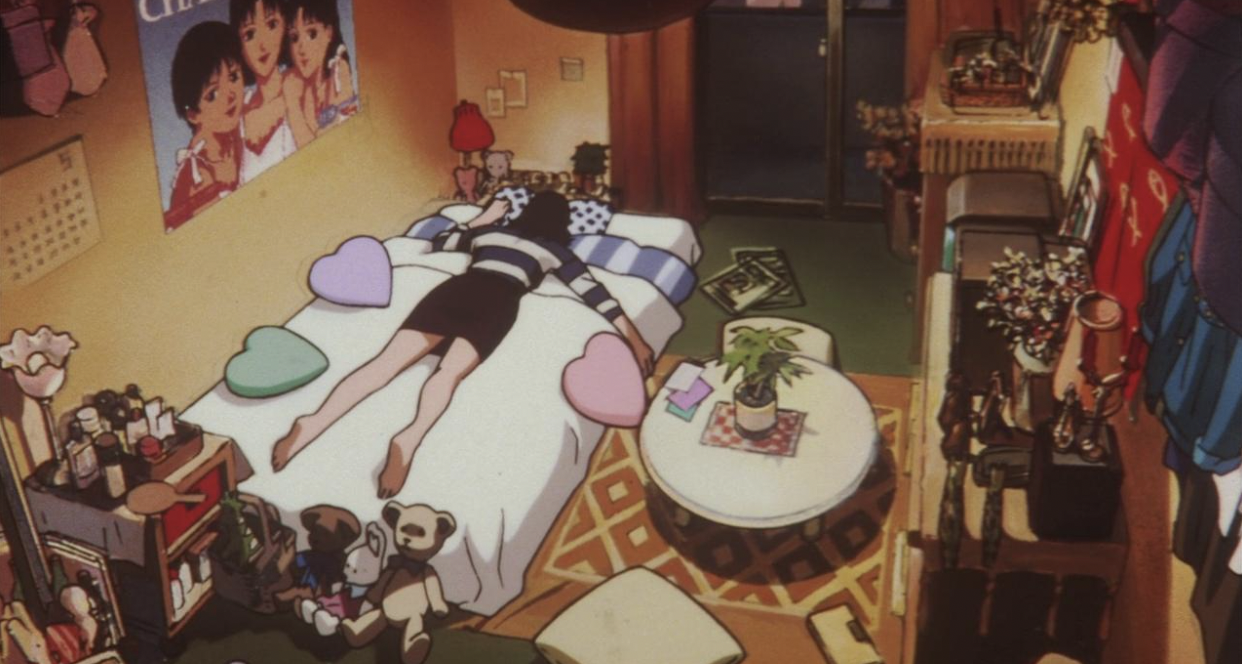
Satoshi Kon’s Perfect Blue premiered at the Fantasia International Film Festival in 1997, forever changing the landscape of animated film as well as influencing many filmmakers to this day. The film operates as a psychological thriller with key horror aspects, yet what stands out most from Perfect Blue is its themes regarding fame, identity, and obsession, which are still hauntingly relevant to this day.
Besides being one of the few early animated films targeted exclusively for adults, Perfect Blue has also proven influential to a wide array of filmmakers, most notably Darren Aronofsky with his film Black Swan. Kon’s other films have also had clear influences on filmmakers like Christopher Nolan, who’s infamous hallway fight scene in Inception is strikingly similar to a scene in Kon’s Paprika. Perfect Blue’s unique approach to genre, presenting a high concept sci-fi with clear societal thematic undertones, has been replicated and built on ever since, including films like The Matrix (Perfect Blue was released overseas before The Matrix).
Today, over 10 years after Satoshi Kon’s death, his influence can be seen in many films, both animated and not. Read more about Perfect Blue’s influencein this article here, and also make sure to check out this article here discussing the film’s 25 year anniversary.
Today, AFS announced the 2022 recipients of the AFS Grant for Feature Films, the annually renewed fund for emerging Texas filmmakers. Eleven projects by fourteen director applicants were selected for awards: four narrative features, six documentaries, and one experimental feature. As with each group of grantees, this year’s roster is one you’ll want to keep an eye on as they develop and refine their feature films.
Funding from AFS Grants provides a vital resource to Texas-based independent filmmakers and a baseline of support for a growing and diversifying independent film scene. The grant is known for creating life-changing opportunities for artists based in Texas, who are often from underrepresented backgrounds, and working outside of the large coastal industry centers. Intended to support career leaps for emerging to mid-career artists in Texas, the AFS Grant often launches the careers of filmmakers who have yet to be recognized by national funders. This year’s group of grantees demonstrates the organization’s ongoing commitment to empowering Texas-based storytellers and creating more access and equity in the regional independent film sector. Read on below to find out more about the filmmakers.
Meet the 2022 AFS Grant for Feature Films Recipients
HUMMINGBIRDS
Directed by Estefanía Contreras and Silvia Castaños
Silvia Castaños and Estefanía Contreras are interdisciplinary artists and directors of HUMMINGBIRDS, a collaborative feature-length self-portrait about their friendship and formative experiences coming of age in Laredo, Texas. HUMMINGBIRDS has received support from Ford Foundation/JustFilms, Field of Vision, Doc Society/Threshold Fund, Sundance Documentary Fund, SFFILM, and Chicken & Egg Pictures. Estefanía and Silvia have represented the HUMMINGBIRDS team as 2021 Sundance/WIF Financing Intensive Fellows, 2021 NBCU Original Voices Fellows, 2022 BAVC fellows, and as participants in 2022 Visions du Reel’s Works in Progress. In addition to filmmaking, Estefanía is a musician, photographer, and tattoo artist who dreams of living in space. Silvia is a poet, community organizer, and a transit planner for the City of Boston. While in post-production on HUMMINGBIRDS, they are developing a new collaborative film portrait of women’s lives on both sides of the border.
LOST SOULZ
Directed by Katherine Propper
Katherine Propper is an Austin-based writer and director. Her short film BIRDS won a special jury prize at SXSW ’22 and at the International Competition at Clermont-Ferrand ’22. Her short films have screened at a variety of film festivals around the world including at BFI London, Tribeca, Palm Springs, Aspen, and have been selected to screen on The New Yorker, Short of the Week, PBS, and Omeleto. Her AFS-supported feature debut LOST SOULZ is participating in Gotham Week’s Narrative Feature Lab 2022.
PRECIOUS CARGO
Directed by Hammad Rizvi
Hammad Rizvi is an award-winning writer and director based in Texas. As a Pakistani-American and Third Culture Kid, his films often showcase stories that are as diverse as they are raw. He is best recognized for his films RANI (Hulu, NBCUniversal Short Film Festival), ROAD TO PESHAWAR (Palm Springs Shortfest), and SUNNY SQUARE (Houston Worldfest). Hammad received his MFA from UT-Austin, is currently developing his first feature film, and has yet to find a cure for the travel bug.
PROFESSIONAL TEXAN
Directed by Don Swaynos
Don Swaynos recently directed the dark comedy DON’T EVER CHANGE. The film was selected as a Vimeo Staff Pick, featured on Short of the Week and Birth.Movies.Death, and is currently distributed by Gunpowder & Sky. Don has also produced several feature films including Berndt Mader & Ben Steinbauer’s comedy doc CHOP & STEELE (Tribeca, Fantastic Fest), Brad Besser’s meta documentary about a documentary BEAVER TRILOGY PART IV (Sundance), and Travis Matthews’ experimental thriller DISCREET (Berlinale). As an editor, Don has cut films for Yen Tan, Anna Margaret Hollyman, Julio Quintana, The New York Times, and the American Genre Film Archive, he has also edited multiple television series including CNN’s Emmy-nominated High Profits.
STATE CHAMPS EAT FREE
Directed by Adriane McCray
Adriane McCray is a filmmaker, wandering native Texan and University of Pennsylvania graduate. She is a former Juanita J. Craft artist-in-residence at the South Dallas Cultural Center, in-house resident at The TX Studio, and fellow at BlackStar’s William and Louise Greaves Filmmaker Seminar. Adriane’s work has been recognized by publications Glasstire and The Guardian, exhibited at Austin’s W&TW and Art214 and currently lives in The Studio Museum of Harlem’s archive. Her films and multimedia work will presented in a solo show at SDCC later this year. After supporting various writers, filmmakers, and video artists, Adriane began writing and directing films of her own. Her latest short film, CHILD RUNAWAYS, premiered at SXSW 2022 as part of the Austin Film Society ShortCase. She’s currently developing feature film STATE CHAMPS EAT FREE, a 2021 Austin Film Festival Drama Semifinalist. As television staff writer, she will join Apple+ limited series, Firebug, based on the true crime podcast by the same name.
STEM ROOTS
Directed by LaTasha Taylor Starr & Dr. Ariel Leslie
Professor LaTasha Taylor Starr is the Executive Director of ESTe2M Dreamers, a non-profit organization that strives to improve the academic success rate of local youth by providing opportunities for STEM-focused summer camps, tutoring and after-school programs. Her latest project entitled STEM Roots, follows students through the genetic engineering process from a STEM, confidence building and family engagement perspective. In addition to project based learning activities in DNA collection and analysis, the actual scientific process as well as the student/family perspective will be highlighted as an innovative pathway for comparing information assumed about their heritage with the reality of their African Diaspora roots, discovered through STEM. LaTasha graduated with a bachelor’s degree in Aeronautics from Tennessee State University. At the University of Washington (Seattle), LaTasha earned her first Engineering Master’s degree followed by a second Master’s in Industrial, Manufacturing and Systems Engineering from the University of Texas at Arlington (UTA) in 2020. Her passion for STEM education is evident through her professorship at Dallas College, San Juan College and Texas A&M University, where she not only teaches Engineering, but also paves the way for student internship collaborations.
Dr. Ariel Leslie is a native of the DFW metroplex. Upon graduation from Plano East Senior High, she attended Texas Southern University in Houston, TX where she obtained a BS in Mathematics and Health Studies. Dr. Leslie then received her doctoral degree of University of Texas at Arlington in Arlington, TX in December of 2019. She studied and published in the area of computational/mathematical neuroscience. While in graduate school, she was one of eleven National Science Foundation Louis Stokes Alliance for Minority Participation scholars. Dr. Leslie obtained awards for her research and teaching abilities. She is currently a Data and Metrics Analyst at Lockheed Martin, a defense company. Dr. Leslie enjoys spending time with her family and friends, volunteering, and teaching children all about STEM. Sharing crucial information about education and helping others is her true life passion.
THE CHRISTMAS CARD
Directed by Lucy Kerr
Lucy Kerr is a filmmaker and artist working through performance and video based in Houston and upstate New York. She received a dual MFA in Film/Video and Art from California Institute of the Arts on the Lillian Disney Scholarship. Kerr received a B.A in Philosophy and a B.A. in Dance and Choreography from The University of Texas at Austin and was the grand prize winner of the University Co-op / George H. Mitchell Awards for Academic Excellence. Her projects have been presented by FIDMarseille, San Sebastian International Film Festival, The San Francisco Museum of Modern Art, La Mama, REDCAT, Anthology Film Archives, The McEvoy Foundation for the Arts, The MATCH Houston, and others. She was selected to participate in FIDLab 2022, where she won the AirFrance Prize for her film, THE CHRISTMAS CARD, and she received a Travel Grant from Austin Film Society in 2021.
THE MOTION
Directed by Huay-Bing Law & Sam Mohney
Huay-Bing Law is a Taiwanese American director and cinematographer born and raised in Houston, TX. His narrative and documentary films often center on marginalized Asian American stories in the south, and have earned an HBO APA Visionary Award, Princess Grace Award, and played in festivals worldwide. Huay currently resides in Austin, where he lectures at the University of Texas at Austin and Texas State University while developing his first feature film.
Sam Mohney is a Chinese-American director and cinematographer based in Austin, TX. He holds a BA with Honors in Film Studies from Wesleyan University and an MFA in Film Production from the University of Texas at Austin, where he met collaborator and filmmaking partner Huay-Bing Law. He currently lectures at Texas State University.
TONKAWA: THEY ALL STAY TOGETHER
Directed by Andrew Richey
Andrew C. Richey has a long career both as a filmmaker and educator. His credits include Fig, directed by Ryan Coogler, a narrative short about human trafficking that was purchased and aired on HBO for two years and the critically-acclaimed documentary CODE BLACK, which was picked up by CBS as a fictional, hour-long drama that ran for three seasons. He also worked with the internationally- renowned director Terrance Malick helping finish the decades old documentary VOYAGE OF TIME reflecting on the entirety of natural history. He has worked in entertainment on three continents over two decades and continues to produce internationally. Andrew received a Bachelor of Fine Arts in Theater Directing from Southwestern University and obtained his MFA at the University of Southern California’s prestigious school of Cinematic Arts. He has taught dramatic arts both in the United States and Taiwan. Presently, he is a Professor in Austin Community College’s RTF program and at Southwestern University. He lives in Austin where his wife and three daughters renew his inspiration daily.
UNTITLED PHILIPPINES PROJECT
Directed by PJ Raval
Named one of Out Magazine’s ‘OUT 100′, PJ Raval is a queer, first generation Filipinx American filmmaker whose work examines social justice issues through the voices of queer and marginalized subjects. PJ’s body of film work has been distributed widely on platforms such as Netflix, PBS and Showtime and has been supported by the Arcus Foundation, Bertha Foundation, Center for Asian-American Media, Firelight Media, Sundance, Tribeca Film Institute, and the Ford Foundation. PJ is a 2015 Guggenheim Fellow and a 2021 Soros Justice Fellow. He is a co-founder board member of the queer transmedia arts organization OUTsider, and is an Associate Professor at the University of Texas at Austin in the Department of Radio TV Film. He serves on the leadership team of the Asian American Documentary Network (A-Doc) and is a Producers Guild of America member, and a member of the Academy of Motion Picture Arts & Sciences where he serves on the executive committee and the Academy Museum Inclusion Advisory Board.
WHERE THE TREES BEAR MEAT
Directed by Alexis Franco
Alexis Franco was born on November 21, 1975. He lives and works in the United States. In his two careers, Cinema and Architecture, he has participated in a selection of projects with worldwide recognition. He was involved in movies like: THE PASSAGE, LOW TIDE, STOP THE POUNDING HEART, THE OTHER SIDE, and WHAT YOU GONNA DO WHEN THE WORLD IS ON FIRE? where he worked with the renowned Film Director Roberto Minervini as his Assistant Director. All the films toured the world with premieres at important festivals such as Cannes, Venice, Toronto, Argentina, New York, Germany, Spain, etc. He also worked on a documentary in CUBA: EL QUIJOTE DEL CARIBE and eventually was involved as Executive Producer of the film DIRTY FEATHERS which had its premiere at the Berlin Film Festival. He studied music at the American Musical Institute where he obtained the titles of Professor of Music. As an Architect in the United States, he became an international member of the American Institute of Architects. In Houston Texas he works at Collaborative Designworks. Alexis designed and participated in many projects that were awarded and recognized state and nationally. Now he is producing a film in Japan and working on his first two films as a director, WHERE THE TREES BEAR MEAT and PERMEABLE PRISONS, in Argentina, Spain, United States, and Portugal.
As always, our AFS Grant recipient projects were chosen by a panel of three esteemed film industry professionals. This year’s panelists included:
Emmy nominee Xan Aranda is an award-winning filmmaker and showrunner of AppleTV’s forthcoming OMNIVORE, directed by Cary Fukunaga. She is also showrunner of Netflix’s MY LOVE, which filmed in six countries. Xan has worked with HBO, Amazon, Focus Features, the Duplass Brothers, and others.
Malin Kan is a film programmer based in Los Angeles. She holds a BA in Film and Media Studies from the University of California, Berkeley and an MA from the University of California, Los Angeles in Moving Image Archive Studies. She is currently Senior Programmer, Feature Films, with AFI Festivals at the American Film Institute, where she has been since 2016.
Hailed by Filmmaker Magazine as one of 2018’s New Faces of Independent Film, Carey Williams is a director bringing a unique and visually striking cinematic eye to the exploration of the human condition. His first feature R#J, a modern-day retelling of Romeo and Juliet, premiered at the 2021 Sundance Film Festival and the feature version of his Sundance and SXSW Award-winning short film EMERGENCY, now available via Amazon.
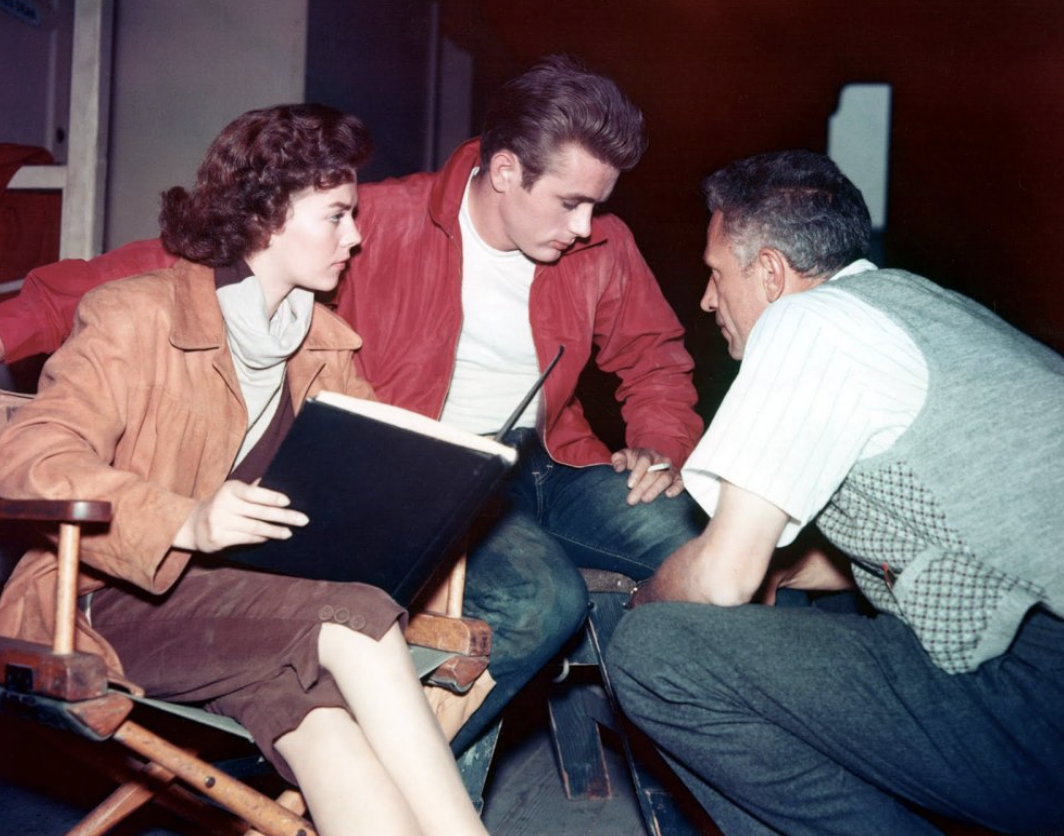
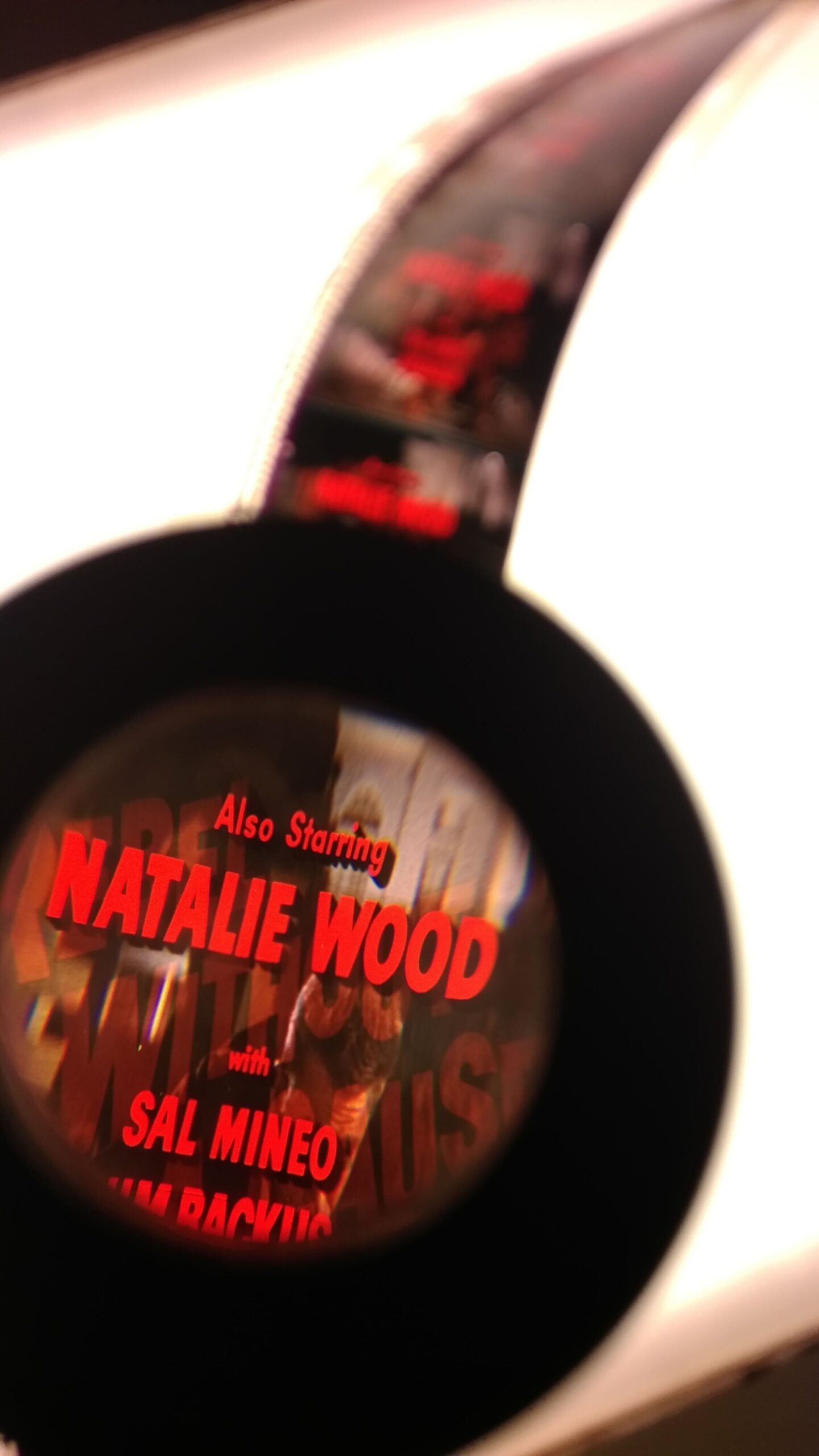
Kicking off September’s Essential Cinema series, Natalie Wood: It’s in the Eyes, is the iconic REBEL WITHOUT A CAUSE, which served as Wood’s breakout role and helped the actress transition from pigtails to the altogether more adult roles to come later in her career.
Before reaching world-wide recognition with films like WEST SIDE STORY, and REBEL WITHOUT A CAUSE, Natalie Wood was known as a child star, more often than not playing the daughter or granddaughter of famous actors and actresses in films like MIRACLE ON 34TH STREET. At the age of 15, as Wood would later admit, much of her career was decided and facilitated by her parents. So when the role of “Judy” in a film called REBEL WITHOUT A CAUSE caught Wood’s eye, it didn’t appear feasible. While this was the first project Wood actively wanted for herself (not pushed to pursue by her parents), it seemed everyone around her deemed it as a bad fit.
Both the film’s director Nicholas Ray and the studio expressed concerns that Wood was seen by the public as “too innocent” and “too pure” to be in the film. During the audition process however, Wood was in a terrible car accident with Dennis Hopper where she was thrown from the car. When police asked for the number of her parents, she told them to call Nicholas Ray. When Ray met her at the hospital, Wood said to him: “Nick, they called me a juvenile delinquent, now do I get the part?” Shortly thereafter she was cast in the film, which would later prove to be her breakout role.
Check out Wood tell this story in a rare interview from 1975. Watch it here.
After years of work as an actress with films such as Last Year at Marienbad, The Day of the Jackal, and Jeanne Dielman, 23 quai du Commerce, 1080 Bruxelles, Delphine Seyrig desired to make her own projects, ones that accurately reflected her off-screen life as well as the experiences of other women.
Seyrig understood that the only solution to female representation in the film industry was female-led production, so along with Ioana Wieder and Carole Roussopoulous, Seyrig formed a filmmaking collective called “Les Insoumuses” or The Defiant Muses. Their work presented Seyrig with the opportunity to create her own projects, such as her documentary Be Pretty and Shut Up!, screening August 25th and 27th,where she interviewed 24 actresses, including Jane Fonda, Shirley Maclaine, Ellen Burstyn, and Jill Clayburgh, who voiced their frustrations with the various forms of sexism they faced as actresses.
Check out David Hudson’s fantastic piece for Criterion’s The Current on Seyrig and The Defiant Muse collective. Read it here.
In case you missed it: Programmer Jazmyne Moreno visited KOOP’s Voyager with Honest John, where the pair discussed Sun Ra and his intergalactic vibes ahead of SPACE IS THE PLACE, screening May 20 -24. Check out the eclectic mix below and tune in to Voyager with Honest John Mondays, 9-10am, only on KOOP.
Looking for a quick rundown? Add a few films to your Letterboxd watchlist with the list below:
Tracklist:
1. Lullaby – Magnet – The Wicker Man – Original Soundtrack Recording – Silva America
2. I Found the F – Broadcast – Tender Buttons – Warp Records
3. The Touch of You – The Equatics – Doin It!! – Now-Again Records
4. Space is the Place – Sun Ra – The Other Side of the Sun – Interplanetary Koncepts
5. Love in Outer Space – Sun Ra – The Definitive 45s Collection, Vol. 1 1952 – 1961 – K7 Records
6. A Story Teller is the Sun – Miyako Koda – Jupiter – Grandisk
7. Galaxy – Kiki Hitomi – Karma No Kusari
8. Jonny (Du Lump) – Holger Hiller – Eins und Zwei und Drei und Vier – Deutsch Experimentelle Pop-Musik, 1980 – 1986
9. Cowboy on the Beach – Zeus B. Held – Attack Time – Boutique
10. Possibly Maybe – Lucy mix – Bjork – Telegram – One Little Indian
11. Cry a Sea of Tears – Alan Vega – Power on to Zero Hour – Saturn Strip ltd.
12. Mari Himada – Irene is Kawaii (Produced by Autechre) – Amu Onna – Polystar
13. Sleeping Beauty – mixed – Sun Ra & His Arkestra, Gilles Peterson – Gilles Peterson Presents Sun Ra and His Arkestra: To Those of Earth… And Other Worlds – Strut
14. Love Like Anthrax – Gang of Four – Entertainment! – Matador
15. Sky Saw – Brian Eno – Another Green World – Virgin Records
In case you missed it: Celine Sciamma’s PETITE MAMAN opens at AFS Cinema this week, and in preparation, we are revisiting this fabulous New Yorker profile of Sciamma from February, which gets at the heart of what makes her films so fresh and alive. The piece was written by Elif Batuman, the acclaimed novelist of The Idiot (2018), a finalist for the Pulitzer Prize. The two female artists have a fascinating discussion about narrative, Sciamma’s formative years, and the possibility of making art outside of patriarchal structures. It’s one of the best filmmaker profiles we’ve read in some time and the perfect teaser for Sciamma’s newest film.
Celine Sciamma is the director behind the breakthrough PORTRAIT OF A LADY ON FIRE (2018) and PETITE MAMAN, opening Friday, May 6, at AFS Cinema. Showtimes and details here.
In 1990, Wendell B. Harris, Jr. premiered CHAMELEON STREET, his first and only feature-length film, at Sundance Film Festival, and walked away with the Grand Jury Prize.
What followed is one of the rawest cases of soft suppression in modern American film. CHAMELEON STREET tells the story of Michigan con man William Douglas Street who, throughout the ’70s and ’80s, managed to successfully impersonate a TIME magazine reporter, corporate attorney, Yale medical student, professional athlete, and practicing surgeon, in a remarkable run of lucrative schemes. Written, directed, and acted by Harris himself and funded almost entirely by friends and family, CHAMELEON STREET is a paragon of indie filmmaking—a biting, jarringly insightful, and wickedly funny satire on race, class, and identity performance that skewers the fragile notion of the American dream. Aesthetically, Harris’s virtuosic direction employs a flurry of experimental editing and narrative choices—fantasy sequences, instant replay, jump cuts, animation—that coalesce into one of the truly original landmarks of Black independent cinema.
But, despite critical acclaim, peer champions like Steven Soderbergh (whose 1989 debut SEX, LIES, AND VIDEOTAPE landed him on the jury that awarded CHAMELEON STREET Sundance’s top prize) and numerous remake offers with big-name recasts like Will Smith and Wesley Snipes, Harris was left without a major distributor; watching helplessly from the sidelines as Hollywood green-lighted a veritable golden age of ‘90s Black Cinema. He’s quick to name Hollywood’s resistance to the film’s content as the main culprit. In contrast to the more vérité depictions of the era—John Singleton’s BOYZ N THE HOOD, Matty Rich’s STRAIGHT OUTTA BROOKLYN, the Hughes brothers’ MENACE II SOCIETY—CHAMELEON STREET’s tagline, “I think, therefore I scam,” aims right at the heart of American meritocracy, peeling back the myth to poke fun at the self-soothing line white society draws between working man and con man; Wall Street and Douglas Street. Ultimately, when it comes to Black narratives, Hollywood prefers microscopes to mirrors.
In many ways, Douglas Street’s tale of thwarted promise in a society that compels Black Americans to cope by continuously performing different versions of themselves runs parallel to Harris’s own story. Last month AFS screened another Black film that was almost lost to the ether, CANE RIVER by the late Horace Jenkins. There’s an argument to be made that the sheer volume of lost, underfunded, and under-preserved Black American films is enough to constitute a sort of silent, de facto suppression by Hollywood, forever promising a breakthrough but never delivering.
But, thirty years after CHAMELEON STREET’s original release, Harris’s film is finally poised to reach the audience it deserves, and we are excited to present it on the big screen. With a brand new 4K restoration in theaters, a 2022 Blu-ray release on the horizon (both courtesy of Arbelos Films), and a full calendar of national cinema dates, Harris’s optimism is palpable. Ahead of this week’s screenings at AFS Cinema, November 17-21, we spoke with the multi-hyphenate filmmaker via email to discuss the ups, downs, and ultimate resurgence of CHAMELEON STREET.
Technically CHAMELEON STREET employs a myriad of experimental and nonlinear editing and narrative choices—fantasy sequences, instant replay, jump cuts, animation. Do you think, in some ways Hollywood in 1991 was threatened not only by the content of CHAMELEON STREET but by the style of a Black director toying with the ‘rules’ of Cinema?
You make an excellent point, because style should always be the hand-maiden of content. The ‘style’ of CHAMELEON STREET is informed, inspired, and dictated by the premise of presenting Doug’s confession as a kind of ‘living diary.’Hollywood was not opposed to the film on aesthetic grounds but on the grounds of content.Black people have been fighting this ‘Content War’ in Media for 400 years of America and for 600 years of Western Civilization.
I remember reading Susan Sontag in the early seventies while studying Drama at Juilliard. She kept hinting in her essays that movies are the only art form that could successfully substitute ‘style’ in place of ‘content.’ I remember thinking, ‘This woman is a little crazy. Style could never replace content! People would never stand for it.’ I was wrong. People not only stand for it, they stand in line patiently waiting to buy tickets for it. There is such a dire need for independent filmmakers right now, at this very moment!
In the last few years, there seems to have been a mild resurgence in nonlinear and experimental Black media; projects like Atlanta, Random Acts of Flyness, and I May Destroy come to mind. Do you see any similarities between the current moment and the Black cinema new wave of the early ‘90s?
Well, yes. When it comes to Black people and Hollywood the pattern has always been in-and-out of favor and fashion every few minutes. Whenever Black people are in fashion, it’s great. Right now, we’re in fashion.So it’s great. Right now.
You recalled in a 2007 interview the moment when film critic Elvis Mitchell implied that your film hadn’t just been passed on but actively suppressed. What was that realization like?
Wow. You’re really taking me back. Talk about surreal. That moment you’re alluding to took place in Burbank, Hollywood circa 1991. I’ll never forget it. I’m in the middle of this video interview with Elvis Mitchell, and all of a sudden he drops this bomb. I was instantly shattered right there on camera because I knew he was absolutely right.By 1991 both Elvis Mitchell and [fellow Black critic] Armond White understood before I did that Hollywood was gaming me; that I was being misdirected by endless pitch meetings while CHAMELEON STREET was being effectively bought out and buried. All the money Warner paid out for remake rights, all the talk about Will Smith or Arsenio Hall or Wesley Snipes; it was an intoxicating smoke-screen designed to obscure what was really going down. Bette Davis always said, ‘Hollywood is a plantation.’
You’ve said that one of the things that’s helped sustain you emotionally over the last 30 years, was holding onto the memories of premiering the film and the audience’s positive responses.
Yes, that’s quite true. I saw it in people’s faces… this light of surprise in their faces. It was as if somehow the film had made them some kind of promise that relations between blacks and whites could and would actually improve. I saw this reaction many times in America, in Italy, in Germany, Canada, Africa. One time in Venice I saw this middle-aged Italian gentleman laugh so convulsively hard that the guy actually fell out of his chair.
When’s the last time you watched CHAMELEON STREET with an audience?
In Detroit Michigan, February 2014 at the Charles H. Wright Museum of African American History. Audiences always get CHAMELEON STREET.Always. I realize that’s a long time, but that’s been my experience with CS audiences these past 30 years. They always get it.
Even in 2021, this film is still so unflinchingly subversive and wickedly funny. How do you see humor functioning in the film? Do you think it makes the themes more palatable or even more uncomfortable to digest?
When you meet the real Doug Street face to face, he’ll have you smiling and/or laughing within 5 minutes. Doug uses humor to entrance, deflect, dissect, beguile and avoid whomever and whatever he wants. In a sense, Doug has weaponized humor, in much the same way as Richard Pryor weaponized humor.Do I think it makes the themes more palatable or more uncomfortable? I would say both; wouldn’t you?But you bring up a really interesting point, the ‘point’ of palatability. Doug knew there were aspects to his story which, to use his word, were ‘unsavory.’ But he was very interested in giving me as honest an appraisal of himself as possible. We agreed to shine as bright a light as possible on his thoughts, words and deeds. To tell the truth about his character. ‘Everybody dabbles in the Truth’, Doug once said to me, ‘but what differentiates people from each other is how much Truth each is willing to tell.’
So far this year, there’s a brand new restoration from Arbelos, successful runs at New York Film Festival and BAM, a writeup in The New Yorker; do you feel hopeful that the current industry climate is finally ripe for CHAMELEON STREET?
An emphatic, ’Yes!’And, if you mean by “current industry climate” the ascendancy of streaming and blu-ray, CHAMELEON STREET will definitely reach a wider audience. But, please, don’t ever forget the monolithic, almost immutable power of Hollywood Distribution.
What’s next for CHAMELEON STREET? What’s next for Wendell B. Harris the actor/writer/director?
I’m working on my documentary and podcast entitled YESHUA VS FRANKENSTEIN IN 3-D,subtitled, “How Teddie Adorno And His Heathen Venetians Used Media To Cancel The Christ, Control The Crowd, And Color-Code The Globe.” It’s an expose on the media, what Malcolm X called “the most powerful entity in the world.”
The other project I’m working on is a mini-series entitled DR. MEMORY BOGARDE’S BLACK WAX MUSEUM. For 300 years the black and brilliant LIFTON-BOGARDE Family built and maintained a meticulously rendered data-base listing individual atrocities endured by black people in the United States. The core of [the film] is what individual family members actually did with this astonishing data.
ABC’s 20/20 segment “Chameleon Street: The Black Film They Could Not Sell” (1991)
You’ve also mentioned that what’s kept CHAMELEON STREET from disappearing all together is the persistent support of critics who continue to tout it as an unheralded masterpiece. Similarly what role have arthouse cinemas like AFS played in the film’s persistence and, moving forward, in its current revival?
The ball (if not burden) of CHAMELEON STREET has been carried for three decades by film critics and film festivals. I include small local cinemas and arthouse theatres under the aegis of film festival. There isn’t enough time and space for me to accurately describe to you now what these last 30 years have been like vis-à-vis CHAMELEON STREET. Suffice it to say this ‘renaissance’ you say it’s experiencing at the moment would not be taking place if not for all those film critics and film festivals.I love them the way a drowning man loves the person who pulls him out of the water.
During this period while the AFS Cinema is temporarily closed, we’ll be pulling select Q&As from our archives and sharing them here on AFS Viewfinders. Today, we’re releasing the full Q&A from the February 2020 screening of SMITHEREENS with director Susan Seidelman. If you haven’t seen Seidelman’s debut feature, you can watch it today via Criterion Channel.
This Sunday, April 26, marks the 40th anniversary of X’s landmark debut, Los Angeles. To celebrate, we asked our friend Tim Stegall of the Austin Chronicle to say a few things about the band and their seminal album. Plus, we’re now releasing our Q&A for X: THE UNHEARD MUSIC with X founder John Doe, director Bill Morgan, and producer Alizabeth Foley. Read, watch, and enjoy!
“She Had To Leave Los Angeles….”: X’s Debut Album At 40
An appreciation by The Austin Chronicle‘s Tim Stegall
As the world’s population hunkers down in their individual bunkers, garlic garlands surrounding the doors, warding off the evil viral invader COVID-19, X released their 1st album since 1993’s Hey Zeus! Even cooler, since Alphabetland features the prime lineup of L.A.’s premiere punk band – co-vocalist Exene Cervenka, bassist/co-vocalist (and latter-day Austin resident) John Doe, drummer DJ Bonebrake, and guitarist Billy Zoom. Then it gets cooler still: This is the first new material from classic X since 1985’s Ain’t Love Grand, and the first proper full-length since they reformed in the late ’90s to play their hits to throbbing live audiences once again. And wouldn’t you know it? It sounds like an X record! For the first time since 1983’s More Fun In The New World.
Isn’t it curious they chose to drop it digitally via Bandcamp 40 years to the day after Slash Records unleashed their 1st album, Los Angeles? No, no pressure at all, Alphabetland.Great as you are – you are instantlyas classic an X album as any of their 1st four – just compete with a game-changing motherfucker of a debut album….
No one expected, in the year The Clash’s London Calling and PiL’s Metal Box saw US release, for a band from LOS ANGELES, of all places (!!), to release a punk rock record that would completely field strip and dissipate those two titans of modern sound. I mean, wasn’t this the sun-and-fun entertainment capitol of the universe?! How could credible punk rock come from there?! What did Angelinos have to rebel against?!
Turned out Los Angeles succeeded on several levels. X were no musical slouches, for one. Doe was a veteran of Baltimore’s bar band scene. Bonebrake had played in symphonies. Zoom had played with rockabilly titan Gene Vincent, ferchrissakes! The latter factoid proved to be a potent secret weapon – he could link Johnny Burnett to Johnny Thunders! This was punk that did not reject rock ‘n’ roll roots, but revved up the original Fifties rebel spirit to pogo specs, with love and affection. This was an embrace of tradition that could peaceful co-exist with punk’s now-now-now modernity.Only Cervenka was a novice. And what she brought was a sense of harmony closer to Gregorian chants, or even Richard and Mimi Farina. Somehow, the discordant vocal blend with Doe worked.
But what was especially exciting was how this record served notice that a new school of punk songwriting had arrived. Doe and Cervenka’s lyrical sense owed more to L.A.-based writers like Charles Bukowski, Raymond Chandler, or Nathanael West than Chuck Berry. This was hard-bitten poetry about life in L.A.’s margins – more bohemian and hard-boiled and literary than the Sex Pistols. This was poetry without the pretensions of New Yorkers like Richard Hell or Patti Smith, a more down-to-earth way to be punk and artistic. This was Bukowski’s fictional alter ego Henry Chinaski in a punk band! Inadvertently, X was creating a new school of punk songwriters: The Flesh Eaters’ Chris D., The Gun Club’s Jefferey Lee Pierce, The Blasters’ Dave Alvin, The Germs’ Darby Crash, even The Dream Syndicate’s Steve Wynn. All Los Angeles-based, they benefitted from the door Doe and Cervenka opened. Coincidentally, all were also signed to Slash Records.
But the private nightmare Doe and Cervenka spun across Los Angeles could only have come from their eyes and their pens. Seeing heroin addiction grip friends they’d made in the cramped, toxic basement that was original Hollywood punk palace The Masque, they responded with despondent, pissed-off observations like “Your Phone’s Off The Hook, But You’re Not”: “And now all our money’s gone,” Exene moans with the despair of one jonesing for a fix, but whose partner scored and shot it all up without sharing. “Jonny Hit And Run Paulene” seemed to cross addiction with an ugly rape scenario: “She wasn’t what you call living, really/SHE WAS STILL AWAKE!!” Doe screamed in utter terror. The title track documented the escape of a toxic friend who apparently hated every race, creed and color, and found Hollywood too oppressive: “She gets confused/Flying over the dateline/Her hands turned red….” Grand finale “The World’s A Mess, It’s In My Kiss” appears to deal with some sorta infidelity: “No one is united/Everything is untied/Perhaps we’re boiling over inside/They’ve been telling lies.”
Yes, X’s Los Angeles was dizzying musically, aesthetically, lyrically, conceptually. No one expected it, and it was explosive in what it delivered. It served notice that one of rock ‘n’ roll’s greatest creative forces had arrived, even if only a fraction of the world would pay heed. Blame it on the fecklessness and willful ignorance of radio, bemoaned on “The Unheard Music”: “We’re locked out of the public eye/….No hard chords on the car radio.” And unlike some of the music made in the punk era, this record still sounds fresh and vital. Even as X release new music to rival it. Happy birthday, Los Angeles!
Back in October 2019, we were privileged to host director Agnieszka Holland for a screening of EUROPA, EUROPA (1990), her brilliant account of the absurdities of fascism and war. With Criterion Channel adding it to their lineup just last week, we thought you might want to follow up your viewing of that with this Q&A. Watch the Q&A below or listen to it as a podcast.