Last week, Austin Film Society members were treated to a sneak preview of the new A24 film WAVES with AFS grant-supported writer-director Trey Edward Shults. Shults made a splash on the indie scene with his feature film debut KRISHA in 2015, taking home prizes from the Independent Spirit Awards, SXSW, and more. His third feature film, WAVES, traces the epic emotional journey of a suburban African-American family— led by a well-intentioned but domineering father played by This is Us star Sterling K. Brown —as they navigate love, forgiveness and coming together in the aftermath of a loss. Screening at both the Telluride and the Toronto International Film Festivals earlier this fall, the film has garnered impressive reviews: “Movies of this caliber come along seldom to never.” – Variety.
Following our Sneak Preview screening, Shults sat down for a Q&A with another AFS-supported director, Yen Tan, who directed last year’s critically acclaimed 1985. Here they talk about the making of WAVES and Shults shares how after working on the script for years, the film finally came together once he started to make it more personal, almost autobiographical at times.
Check out our Q&A with the director and see the film when it opens nationwide on November 15.
Foundational for Austin’s contemporary film scene is a little-known 1960s campus film society: Cinema 40. Born of the mid-‘60s student counter-cultural movement, their tireless efforts helped create the University of Texas’s film department, brought avant-garde films and luminaries like Jean-Luc Godard and Jonas Mekas to Austin, started an experimental filmmaking collective and archive, and published a quarterly that featured original writing by Susan Sontag, Ernest Callenbach, and others.
Here in his own words, Cinema 40 founder Gregg Barrios shares the story of how this influential group got started:
I was and remain a die-hard film buff and critic. Movies were my life as a young Latino growing up in 1950s Texas. My small town could have been a template for THE LAST PICTURE SHOW.
My father moonlighted as a movie projectionist at local theaters including the Tejas-Aztec drive-in. My favorite experience—my brother and I sitting in lawn chairs atop the twin drive-projectionist booth on a sultry summer night. We would view Spanish language films on one screen and English language Hollywood films on the other.
I came to the University of Texas Austin campus in the summer of 1965 after my service in the military. The Austin scene offered little innovation, instead traditional works in music, museums, and theater. However, my curiosity was piqued when I heard about film history in one of my classes and then in magazines (Film Culture, Film Quarterly, etc.)
Student film clubs or societies were far and few in the mid-1960s. The few that existed were found in large universities such as UCLA, UM-Ann Arbor, and NYU.
I was in the elite Plan 2 so I benefited from the best teachers. A few referred to films as secondary sources. UT had no film appreciation classes—nary a Film-Making 101—although its RTF department would later bring film luminaries versed in cinema history.
The more I read about film, the more I searched out reviews of classic films, foreign language films, and new American work. It was only after I actually saw a film with subtitles that I was riveted by the experience (ROCCO AND HIS BROTHERS was one and Fellini’s LA DOLCE VITA, another). I was not alone. A new appreciation was looming as a new criticism emerged. Experimental films and hand-held documentaries were all the vogue, ushering out the old perception of movies as mere entertainment.
As the savant Marshall McLuhan issued the battle cry: “The medium is the message” and “The medium is the mess age,” the counterculture was born. And yes, we had gained an appreciation of our homemade student films.
In NYC, the midnight movie like a Humphrey Bogart Festival became a staple, a must-do for college hipsters. “Had Bogie influenced Jean-Paul Belmondo’s character in BREATHLESS or vice versa?”
Back in Austin, none of these were staples despite a 30,000+student population. I lived in the first university co-ed housing, the excellent College House, which selected from a cross-section of disciplines and majors. UT faculty members served as fellows. We often shared meals with them and heated discussions ensued—literary and political, the Vietnam War, the Draft, Bob Dylan, and surprisingly pop art, etc. Of course, everyone at the dinner table would reference films.
I decided to bite the bullet after and approached College House fellow, Greg Lipscomb, the president of the UT Students Association. I asked to start a film club on campus. Reluctant at first as I made my case, Lipscomb promised to present it before the S.A. board. We lucked out and they gave Cinema 40 a temporary “go” for one semester.
We were assigned use of the then state-of-the-art Academic Center as our home base. It had 16mm projection, multi-screens, and a great sound system. I scheduled five films for our first season. Godard’s VIVRE SA VIE with the amazing Anna Karina was the first. Influenced by Cinema 16 and the Bleeker St. Theater programming, I reached out to these successful NYC programs to secure distributors; members would prepare film notes for our main feature presentation—something we continued with each film.
After a successful first season, the Students Association gave their approval for Cinema 40 as an official on-campus group. Artists, poets, musicians, and those curious from afar engaged in lively discussion in off-campus coffee houses before and after our screenings.
Cinema 40 had become a mainstay, a vital part of Austin’s cultural life.
Recalling some of the milestones in Cinema 40’s history has been a daunting project: from a Hollywood in the Thirties Series, an Orson Welles retrospective, an Antonioni trilogy, to Kenneth Anger’s MAGICK LANTERN CYCLE. We brought in special guests like novelist Alain Robbe-Grillet (LAST YEAR AT MARIENBAD), and critics Andrew Sarris, Ernest Callenbach, Jonas Mekas, Dwight MacDonald, Judith Crist, and Hans Richter, the German avant-garde cineaste. Filmmakers who visited included Jean-Luc Godard, D. A. Pennebaker, Bruce Connor, Gerard Malanga, Stan Brakhage, Bruce Billie, etc.
I left Cinema 40 in 1969 to teach in a rural Texas school. David Berman, an ardent film buff, took over the group, and under his stewardship it continued to grow and break new ground. One was a screening of Warhol’s two-screen masterpiece THE CHELSEA GIRLS. Later in the 1970s Cinema 40 was banned from the campus for screening another Warhol film, TRASH. And earlier we had the Austin vice patrol shut down a screening of Jack Smith’s FLAMING CREATURES. Still we continued to forge ahead.
I’d be bereft if I didn’t include the following who helped shape Cinema 40: Peter Soderbergh (yes, Stephen’s dad); Stanley Donner, head of the RTF department; William Arrowsmith; Roger Shattuck; and above all, our membership and those who led the discussions and edited our Harbinger quarterly.
Today, remnants of what once was remain—but more importantly is the influence Cinema 40 had in making Austin a major film center: the UT film department, the Austin Film Society, Cinema Texas, and yes, SXSW. If Cinema 40 contributed to bringing film culture to Austin, it succeeded.
To quote Jonas Mekas, who passed away this year: “Film is light and sound. It continues to re-invent itself, offering visions that we couldn’t image existed.”
(Kaley Wheless (l) and Bob Byington (r) on the set of FRANCES FERGUSON)
FRANCES FERGUSON screens on October 26 at AFS Cinema with Director Bob Byington in attendance, followed by a Q&A moderated by actor Kevin Corrigan. Purchase tickets.
On this episode of the AFS Viewfinders podcast, AFS’s Lars Nilsen talks with Austin-based filmmaker Bob Byington about his new dark comedy FRANCES FERGUSON screening this weekend at the AFS Cinema. The film follows a young, attractive and bored Midwestern high school teacher who makes the unfortunate mistake of sleeping with one of her students, featuring Nick Offerman, Martin Starr, David Krumholtz, and newcomer Kaley Wheless in a breakout performance as Frances. Byington’s previous features include RSO (REGISTERED SEX OFFENDER) (2008), HARMONY AND ME (2009), 7 CHINESE BOTHERS (2015), and SOMEBODY UP THERE LIKES ME (2012) and INFINITY BABY (2017)—both making their premieres at SXSW.
Listen in as Byington is joined in conversation with Wheless about the making of FRANCES, the current landscape of independent filmmaking, how Austin has changed, and working with friends and frequent collaborators including Offerman, Starr, Keith Poulson, Kevin Corrigan, Kristen Tucker, and actor-director Andrew Bujalski, among many others.
Be sure to stick around on October 26—Byington will also host a special screening of Vincent Gallo’s indie classic BUFFALO ‘66 at 7:45 PM, with Corrigan joining him for a Q&A afterwards.
Robert Downey, Sr.’s brilliant 1969 cultural satire has been directly cited as an influence on comedians and filmmakers alike, including Eddie Murphy, Jim Jarmusch, the Coen Brothers, Boots Riley, and Paul Thomas Anderson—who even used Downey as an actor in BOOGIE NIGHTS and MAGNOLIA.
With PUTNEY SWOPE opening this Wednesday and in spirit of that memorable collaboration, we’d like share this conversation with Paul Thomas Anderson and Robert Downey, Sr. discussing the enduring legacy of the film.
On this episode of the AFS Viewfinders podcast, AFS’ Lars Nilsen talks with Noah Isenberg, Chair of the University of Texas at Austin’s Radio-Television-Film department and author of Edgar G. Ulmer: A Filmmaker at the Margins, about our upcoming Ulmer series. Guest-programmed by Isenberg, the series showcases films by the famously obscure émigré filmmaker and “King of the Bs,” Edgar G. Ulmer, including RUTHLESS, THE MAN FROM PLANET X, THE NAKED DAWN, AMERICAN MATCHMAKER, and THE BLACK CAT—a bizarre gothic-nouveau psychological terror masterpiece starring Boris Karloff and Bela Lugosi just in time for Halloween season.
If he was known at all, it was mainly due to his breathtaking low-budget noir film DETOUR from 1945. Listen in as Nilsen and Isenberg explore Ulmer’s near thirty-five-year career as a director, which encompassed everything from a masterfully brilliant but doomed entry in the Universal horror cycle, four Yiddish features, a Mexican western (Truffaut called it “a small gift from Hollywood”), a few sci-fi quickies, and other minor wonders from Poverty Row. Select screenings in the series will be hosted by Isenberg.
To celebrate the Criterion Collection’s long-awaited home release of Bill Forsyth’s LOCAL HERO, the film that launched the 2019 Jewels in the Wasteland series, you can now watch all of Linklater’s introductions and discussions from this year’s installment, including LOCAL HERO, VAGABOND, LOST IN AMERICA, and CHAN IS MISSING.
One of AFS’s most popular programs, Jewels in the Wasteland is a series designed to spotlight some of the best overlooked films made during the 1980s. The series is programmed and hosted by AFS Founder and Creative Director Richard Linklater.
Editor’s Note: After we posted this original article on September 11, 2019 to celebrate the legacy of Daniel Johnston, Richard Linklater was inspired to share his memories in this thoughtful tribute.
Such sad news about Daniel Johnston’s passing. I’ll always remember Daniel as the creative supernova taking Austin by storm in that crazy summer of ’85. The day I met him is actually on film, in Lee Daniel and my short film Woodshock. Always attracted to a camera, he started following us around at that music festival, badgering us to be filmed. He was handing out tapes of “Hi How Are You?” so that’s what ended up being in the movie. I remember listening to the tape late that same night in the car heading back to Austin. Holy crap—I think everyone of that era can remember when they first heard Daniel and the connection that took place, the amazing discovery they’d just made.
Daniel had an instinct for spotting a future Daniel Johnston fan before they even knew who he was. Cool, sensitive, seeking… they were everywhere in Austin. After some college, some moving around and a carney tour, he knew he’d landed in the right place at just the right time. Because it meant so much to him what you thought of his music, you felt obliged to go find him and tell him how much you liked it. He was easy to find, working at the McDonalds on the drag where, if he thought you seemed interesting, you just might find a “Yip/Jump Music” or a “Retired Boxer” tape along with your fries. So open, honest, funny, and vulnerable, you wanted to offer support in any way you could, and he’d treat everyone who seemed to connect with his music like they were the most important fan in the world to him. There was a hustle to it, but there was also a purity to it—he wasn’t some politician running for office, he was an artist seeking connection, both artistically and personally, and he was finding it everywhere, becoming a full-blown local phenomenon. You’d walk by a car where some people were hanging out and you’d realize they were listening to a Daniel tape. He’d easily finagle his way into shows and onto bills, most famously when MTV came to town later that summer and he went from being not a part of the scheduled lineup to stealing the show. It was amazing to witness.
At that time, he lived in a little apartment practically on campus, near the PCL. It was all music and artwork. There was always a tape in the dubbing process, and I’ll go on the record remembering an actual “master cassette” he was dubbing from. There have been rumors over the years that it was just an ever-degrading dub-from-a-dub process, but no, he wanted it to be the best it could be within his means (he did use the cheapest, 3-for-a-dollar cassettes though). He was always out and about and would regularly drop by where I was living, the “Finger-Hut/film house/Janis Joplin house” (it was called a bunch of different things) on Nueces right behind and sharing a parking lot with Inner Sanctum records and the infamous Mad Dog and Beans hamburger joint. He had worked it out where they would give him a half of a Blue Bell milkshake every day when he came by, but it was really like 3/4 of one for half the price. What would become the Austin Film Society was in its earliest stages at our house, and Daniel liked the idea of film, coming to screenings both in our living room and at the Dobie Theater where we’d show films on the weekends (though nothing we ever showed could compete with King Kong in his book). He would make and leave all kinds of drawings that might end up on a wall or above the editing bench. I remember him asking me how I was able to “live so well,” which must have meant how does one, even with a mattress on the floor and no kitchen sink, happen to have both a junky car AND a working telephone, which he certainly liked to use whenever he was over. He thought he should maybe have a camera on him all the time, and I honestly can’t say if it’s a good or bad thing we all missed the Daniel Johnston reality show by a generation. I did work up a scene with him in the Super 8 feature I was making during this time, and he most definitely would have been in Slacker but wasn’t really around that summer in ’89.
I remember early on walking into a house party with him where we knew only a few people who were going to be there. He completely switched from a guy who could have an intimate conversation into a much more extroverted personality, introducing himself to everyone with a big mischievous grin and an “I’m Daniel Johnston and I’m famous!” “For what?” someone would ask. By the end of the party he was pretty famous—I remember two young ladies walking out kinda chanting “I’m Daniel Johnston and I’m famous.” Somewhere along the way he informed me that God told him he couldn’t get into heaven unless he was famous. Where was this all going to end, I wondered? Well, it didn’t really end, and I don’t think, even with him now gone, it ever will. He’ll probably become an even bigger mythological character, but my hope is that it’ll be for his music and art and not his mental health struggles. We’ve lost a creative genius, one of the great songwriters, and there will never be another like him. I feel blessed that, through sheer timing and location, I can always remember the young Daniel that was a really sweet, friendly guy… a total romantic. We’ll always have the music, and while I was writing this I was listening to his 2001 album, “Rejected Unknown” and Kathy McCarty’s incredible album of his songs, the mesmerizing “Dead Dog’s Eyeball.” So, listen away and forever remember this unique artist that shared everything he had to share.
We are very saddened to hear the news of Daniel Johnston’s passing today. To celebrate his legacy, we wanted to share AFS Founder and Artistic Director Richard Linklater’s first short film from 1985, WOODSHOCK. Before it became “The Live Music Capital of the World,” Austin, Texas was home to an alternative music festival known as Woodshock, the first taking place in 1981. The 1985 Festival included performances by local (and otherwise) musicians Daniel Johnston, Texas Instruments, Dharma Bums, the U-Men, Glass Eye, Cargo Cult (fronted by Biscuit of Big Boys), The Reivers, Poison 13, and the festival’s unofficial mascot, The Hickoids. (–Dangerous Minds). Below is the full video of Linklater’s WOODSHOCK featuring a young Daniel Johnston.
It’s been a great summer for film at the AFS Cinema. Here is a roundup of favorites chosen by Austin Film Society team members that surprised, delighted, and inspired us over the past couple of months.
Gabe Chicoine, Marketing Associate
INGRID
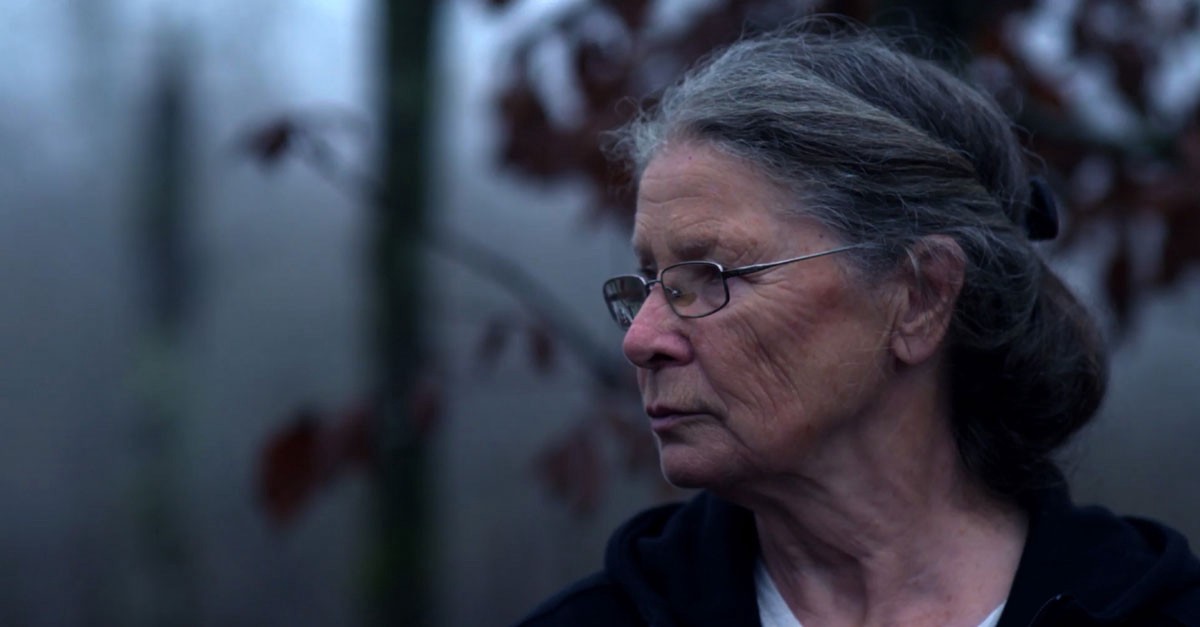
“Morrissa Maltz’s INGRID was an unexpectedly moving experience for me. In its brief 55 minute runtime the film beautifully captures the life of a German immigrant and outsider artist who left the American Dream behind to follow her own path, living off the grid in self-imposed solitude in rural Arkansas.”
Brady Dyer, Communications Manager
PARIS IS BURNING
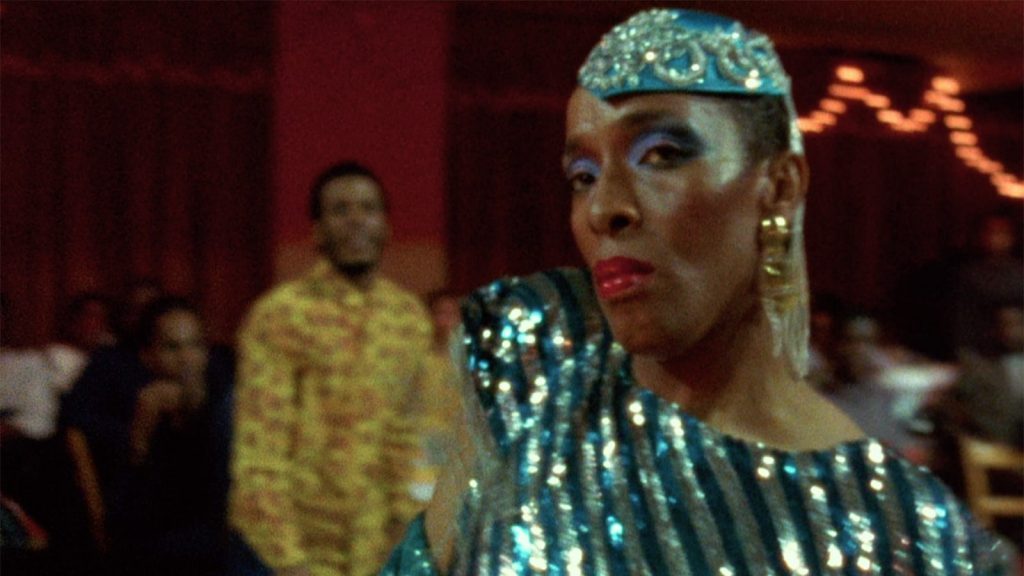
“I had heard a lot about the documentary PARIS IS BURNING, but never had a chance to see it. I’m so glad I waited until the opportunity this summer to see it on the big screen. It captures Ball life and the bourgeoning Vogue scene in NYC in the 1980s, before pop culture grabbed a hold of it. At the time of the documentary, the scene was still relatively underground and the key figures—like Willi Ninja and Venus Xtravaganza—were trying to make a name for themselves, hoping to one day break out. The film beautifully presents an intimate portrait of those involved in the scene—their stories are poignant and touching, mixed with joy and disappointment. Although filmed in the ‘80s PARIS feels fresh, honest, timely, and incredibly relevant. Everybody wants a place to belong.”
Fabien Ferrari, Summer Intern
GHOST IN THE SHELL
“I discovered GHOST IN THE SHELL for the first time on the small screen. But seeing it in a theater, thanks to AFS, it was truly another experience. I felt transported into this dystopian world that inspired so many Science Fiction movies. I can’t tell how moving it was to see these wonderful old school drawings shots of the futuristic city on a big screen, along with the incredible theme song as loud as it can be. It allowed me to be involved as ever in the story and understand the meaning more behind this powerful anime.”
Yolanda Gamble, Youth Media Specialist
THE FAREWELL
“My pick is THE FAREWELL. I had the chance to attend the sneak preview with Director Lulu Wang, where she shared her inspiration for the film. I love how AFS has a pulse on groundbreaking filmmakers who are bringing their unique perspective onto the big screen while telling a story that is universal to so many people. It definitely made me want to visit my grandma more often!”
Ellie Kotapish, Development Manager
THE FAREWELL
“My summer film pick is THE FAREWELL. I got to see this at our member sneak preview screening where the director Lulu Wang was present to do a Q&A. The story is fascinating overall, but I really appreciated the story and characters. It was refreshing, funny, and relatable (oddly enough). I highly recommend this film!
Jake Martinez, Summer Intern
ONCE UPON A TIME IN THE WEST
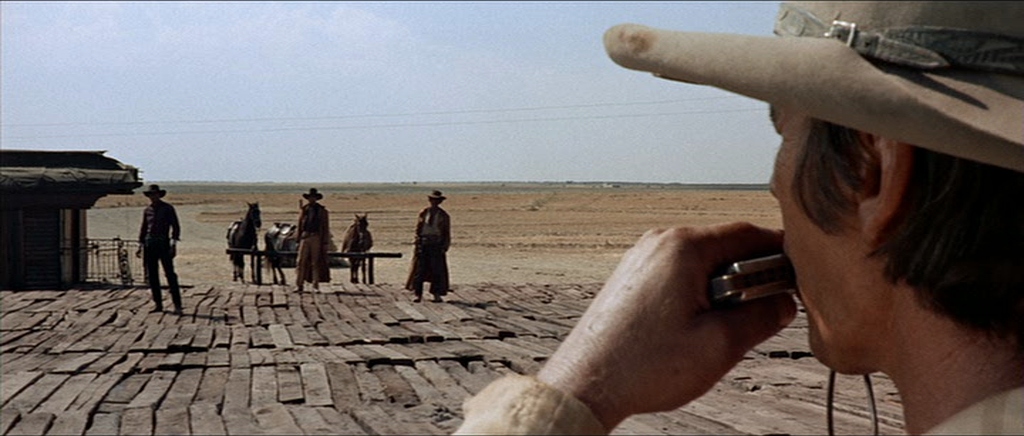
“ONCE UPON A TIME IN THE WEST has stuck with me for weeks. Seeing it at the cinema was amazing—I was transported, by Leone and Morricone, into a world that seemed to be just on the other side of the screen, with an operatic symphony in the walls. I’m really glad there’s a theatre in town playing these films, like they’re meant to be seen.”
Conner Smith, Development Coordinator
HOUSE OF HUMMINGBIRD
“The film HOUSE OF HUMMINGBIRD, which was part of the Austin Asian American Film Festival’s excellent lineup, is one of my favorite films that I’ve seen this year. It’s a devastating and beautiful coming-of-age story that presents an authentic narrative about what it feels like to be a teenager. And I appreciate how the ending didn’t tie up into a perfect bow.”
Claudia Silva, Senior Marketing Intern
CAPERNAUM
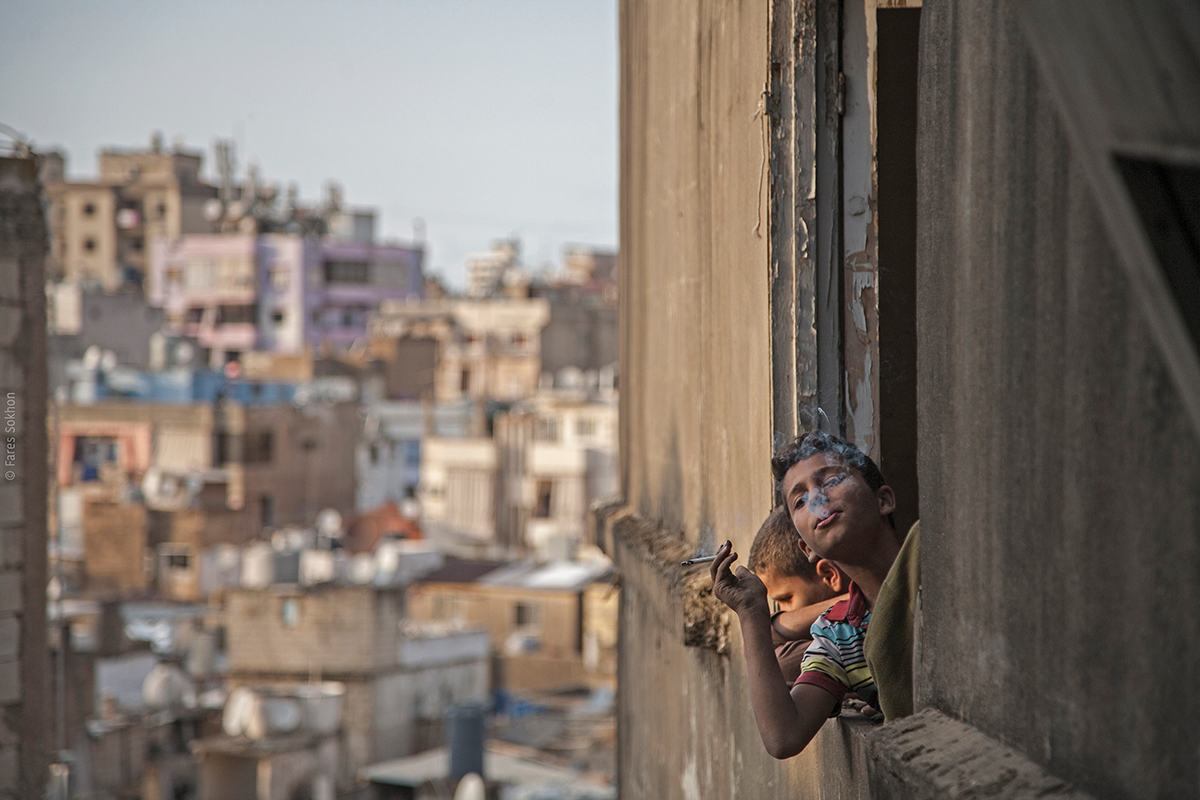
“After watching CAPERNAUM from director Nadine Labaki, I left the cinema determined to change my life, that’s how inspired I was with twelve-year old Zain’s journey. In the film, Zain wants to sue his own parents for not getting him a birthday certificate in Lebanon, which lacked him the rights of a citizen, including public health care and attending the local public school. The movie is a piece of art that reminds us we are capable to face all the challenges and adversities to achieve our goals, if we have the guts, right attitudes, and determination to change our own history.”
AFS welcomes back an annual favorite—the best short films of this year’s Sundance Film Festival, specially curated by the Festival for audiences nationwide. Screenings start this Friday, September 6, at the AFS Cinema. Purchase tickets.
The Sundance Film Festival Short Film Tour returns to AFS Cinema with the 2019 edition, featuring seven short films from this year’s fest. The annual program is often a launchpad for many up-and-coming independent filmmakers. Ranging from fiction to documentary to animation, the program has something for everyone.
Program
SOMETIMES, I THINK ABOUT DYING U.S.A., 13 minutes. Directed by Stefanie Abel Horowitz, written by Stefanie Abel Horowitz, Katy Wright-Mead, and Kevin Armento. Fran is thinking about dying, but a man in the office might want to date her.
FAST HORSE Short Film Special Jury Award for Directing Canada, 13 minutes. Written and directed by Alexandra Lazarowich. The Blackfoot bareback horse-racing tradition returns in the astonishingly dangerous Indian Relay. Siksika horseman Allison Red Crow struggles with second-hand horses and a new jockey on his way to challenge the best riders in the Blackfoot Confederacy.
SUICIDE BY SUNLIGHT U.S.A., 17 minutes. Directed by Nikyatu Jusu, written by Nikyatu Jusu and R. Shanea Williams. Valentina, a day-walking Black vampire protected from the sun by her melanin, is forced to restrain her bloodlust to regain custody of her estranged daughters.
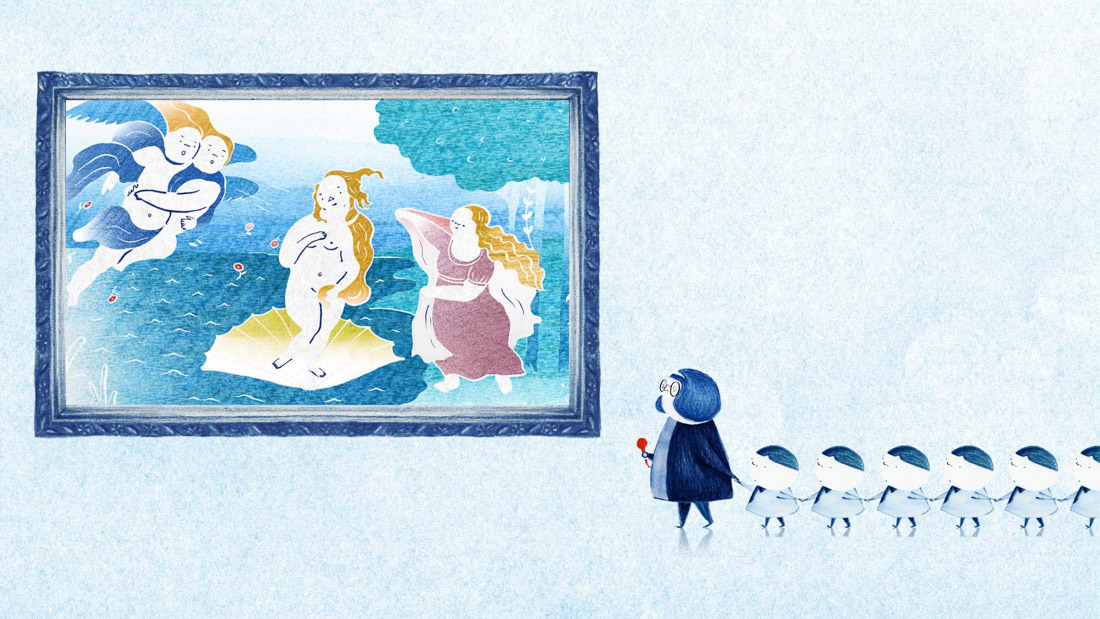
MUTEUM Estonia, Hong Kong, 4 minutes. Written and directed by Äggie Pak Yee Lee. In an art museum, we learn—from outer to inner, from deep to its deepest, seriously and sincerely.
CRUDE OIL U.S.A., 15 minutes. Written and directed by Christopher Good. Jenny breaks free from a toxic friendship and learns to harness her magical, useless superpower.
THE MINORS Short Film Special Jury Award for Directing. U.S.A., 10 minutes. Written and directed by Robert Machoian. A slice of life about a grandpa and his grandsons, the future and the past.
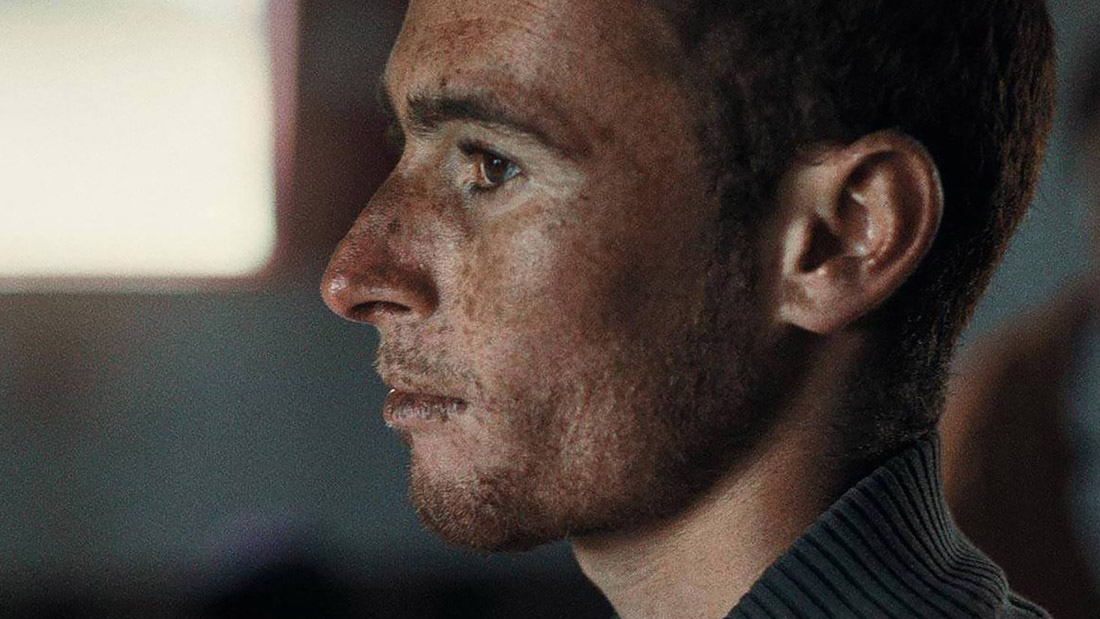
BROTHERHOOD Canada, Tunisia, Qatar, Sweden, 25 minutes. Written and directed by Meryam Joobeur. When a hardened Tunisian shepherd’s son returns home after a long journey with a new wife, tension rises between father and son.
Watch the trailer below and join us starting September 6 at AFS Cinema.
On this episode of the AFS Viewfinders podcast, Chale Nafus, former Director of Programming at AFS, talks with Karen Grumberg, Director of UT’s Center for Middle Eastern Studies, about upcoming film series Children of Abraham/Ibrahim: Films from the Middle East and Beyond featuring new films CAPERNAUM, HARMONIA, THREE FACES, and MARJOUN AND THE FLYING HEADSCARF (directed by Susan Youssef, recipient of several AFS grants). Erica Deiparine-Sugars also joins in the conversation to talk about the AFS grant and its impact on women in independent film. Now in its 13th year, the Children of Abraham/Ibrahim film series is guest programmed by Nafus and Grumberg and continues to feature some of the best new cinema coming from the Middle Eastern region. From the retelling of a story from the Book of Genesis to a coming of age film that follows a Muslim American teenager in Little Rock, Arkansas, this year’s films will touch both your heart and mind as well as create a deeper understanding of a region that we may often only experience in newscasts. Listen in as Nafus and Grumberg discuss the 2019 line-up what to expect from this essential film series.
WHERE IN THE HELL IS THE LAVENDER HOUSE?: THE LONGMONT POTION CASTLE STORY screens this Wednesday, August 14 at 8:30 PM at the AFS Cinema. Purchase tickets. After the film we will be joined via Skype by Longmont Potion Castle himself for some live prank calls.
You might have seen a post or two from AFS about the upcoming screening of WHERE IN THE HELL IS THE LAVENDER HOUSE?: THE LONGMONT POTION CASTLE STORY, and you might be thinking to yourself: “who/what the hell is Longmont Potion Castle, and why should I be interested?” Well, we’re here to explain! At the bottom of everything, it’s easy to summarize Longmont Potion Castle as just a prank caller, but if we ended our explanation there you would kind of be missing the point of his whole schtick and the cult following that surrounds him.
Growing up in Texas, LPC always “excelled the most in language arts” (VICE). With this talent in his pocket and his love for all things about prank calls, the persona of LPC was born.
Starting at the age of 16, LPC infused his compilation albums of prank calls with his own musical talents and interests, often in the form of sound collages that feature thrash metal or punk. His setup includes a “Neumann KMS105 vocal mic with a Universal Audio 2-610 tube mic preamp…that goes into [his] favorite digital delay pedal, the Digitech 8 Second Time Machine” – a vocal rig that totals out to around $3,000 (VICE). This love and appreciation for music bleeds through his compilation albums, which is probably why he has garnered fans like Sublime, Jimmy Eat World, and The Dirty Projectors throughout the years.
A large part of LPC’s appeal is that his comedy on the prank calls is oftentimes completely improvised (he only recently began jotting down notes/ideas to use in his calls). Longtime fan and executive producer of the film, Rainn Wilson, describes LPC’s calls as having a “surreal aspect, as if Salvador Dali were doing prank phone calls.” There’s genius in asking for non-existent products like “helium ointment” or “coaxial rimrod” while slowly driving unassuming store clerks closer to the brink of insanity.
Overall, the draw of LPC just comes down to the fact that you can tell he loves what he’s doing and he knows how to do it well. He doesn’t simply string together a bunch of random prank phone calls for listeners to dredge through. Instead, his compilations are thoughtfully pieced together with absurdist wit and a knack for pushing buttons.
Check out what we’re talking about below with a selection of a few of our favorite LPC calls. There’s nothing quite like listening to people completely lose their heads over nonsense.
You probably know him as the “diner guy” in those anti-Ted Cruz commercials, but we’re here to tell you that Sonny Carl Davis has a lot more work that you need to check out. We’ve compiled a short list of some of our favorite SCD roles throughout the years in anticipation of his live performance at the AFS Cinema, FIRST TO BE EATEN: RAMBLINGS OF A BIT PLAYER. Trust us when we tell you they’re worth watching.
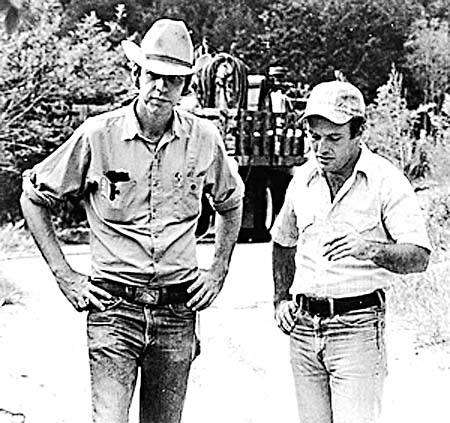
THE WHOLE SHOOTIN’ MATCH
Davis plays one half of the friendship duo in this film about two guys trying to find success through a get-rich-quick scheme. It’s hard not to be charmed by the comedic rapport “lovefest” between Lou Perryman (the other half of the duo) and Sonny Carl Davis (The Austin Chronicle).
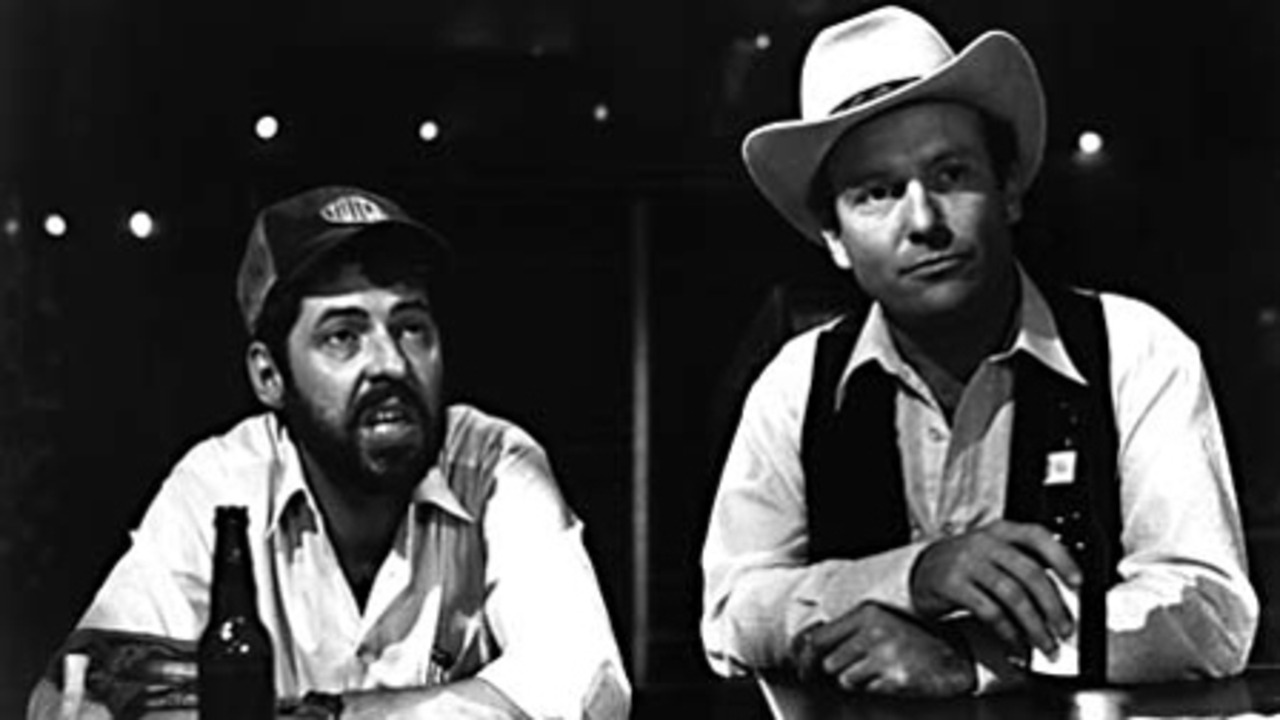
LAST NIGHT AT THE ALAMO
A follow-up to THE WHOLE SHOOTIN’ MATCH, this film follows a group of regulars coming together at their favorite bar, The Alamo, before it officially closes. An Austin cult classic.
FAST TIMES AT RIDGEMONT HIGH
The hilarious staple ’80s movie all about sex, drugs, and rock n’ roll, Davis is featured in one of his many “small roles in [a] big movie.” Although not a lead actor, Davis’ captivating personality still manages to bleed through.
BERNIE
The role that inspired the anti-Ted Cruz commercials, Davis plays the town gossip that’s not afraid to give you his opinions on things, like the state of Texas: “You got your Gulf Coast, and it’s the Carcinogenic Coast. And then you’ve got your Austin…with your hairy-legged women and your liberal fruitcakes,” (The Austin American Statesman).
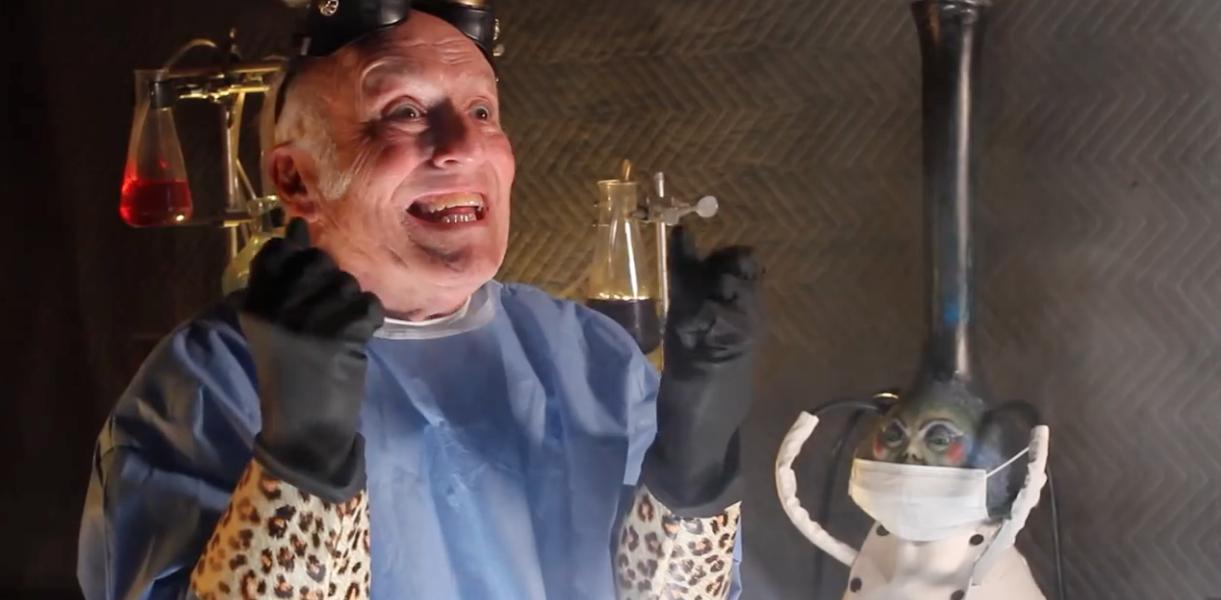
EVIL BONG
If the name doesn’t draw you in then maybe some Sonny Carl Davis will. A film about a group of stoners who order an old giant bong that proves to have bizarre magical powers, Davis sneaks into the feature as a delivery guy. And if you loved this one, then make sure to pick up the second one, EVIL BONG II, where Davis gets captured and “‘rolled up into a doobie with [his] little bald head sticking out of [a] CGI joint,’” (FW Weekly).
If you want to hear Davis talk about all of these roles and everything that happened in between, don’t miss his live stage monologue at the AFS Cinema on Saturday, August 10 and Sunday, August 11. In between laughs you’ll find yourself learning a thing or two about life, the movies, and everything else worth a damn.