Category Archive: Uncategorized

  1. Watch This: Suzanne Ciani Brings Far-Out Synthesis to 80s Kid’s TV

    Leave a Comment

    Suzanne Ciani may not be a household name, but the sounds she invented were in every home in America during the early 80s. In addition to her brilliant work as an electronic composer, Ciani pioneered the use of synthesizers to create musical sound effects – like the fizzy pop of a Coke bottle cap (a hard attack of resonance followed by a long decay of white noise) – and 80s advertising embraced it in a big way. Soon her sound effects were in high demand – she even designed the sensual electric coos of the Bally XENON pinball machine.

     
    Ciani became the unofficial spokesperson for the synthesizer in the late 70s and early 80s, appearing on a slew of popular television programs to demonstrate some of the futuristic sounds of this mysterious new instrument.
     
    The new doc A LIFE IN WAVES (playing AFS Cinema July 19 & 22) tells of Ciani’s singular path through the music industry, despite the intense zeitgeist of sexism in commercial music, to become a modern cult figure among electronic music aficionados. Not just a great story about an overlooked artist, the film is a veritable overdose of 80s aesthetic nostalgia, featuring an abundance of rich archival material including Ciani’s commercials, TV appearances and home studio. This is the stuff that Tumblrs are made of.

    Here is one TV appearance that somehow didn’t make the cut: in 1980, Suzanne Ciani brought her cosmic synth sounds to the popular PBS kids program “3-2-1 Contact.” With the soft-spoken patience of a kindergarten teacher, Ciani breaks down some rather sophisticated concepts of sound and synthesis, all while dropping some pretty spaced-out synth sequences. Check it out, you might even learn a few things yourself.


  2. The Peter Sellers Comedy Classic You’ve (Probably) Never Seen is Coming to the AFS Cinema

    Leave a Comment

    AFTER THE FOX (1967) closes the AFS Comedy, Italian Style series with a bang. It screens (in 35mm) on Thursday June 29 and Saturday, July 1.

    When we reflect on the great Peter Sellers’ comedic performances we might, understandably, first think of Blake Edwards’ PINK PANTHER movies, of his performances in the early dark comedies of Stanley Kubrick, and of his seriocomic turn in BEING THERE.

    But there is a Peter Sellers film that is not only a tour-de-force of comic acting, but also a loving satire of the Italian film industry. This film is written by the dream team of Neil Simon (THE ODD COUPLE, BAREFOOT IN THE PARK, SWEET CHARITY and Cesare Zavattini (BICYCLE THIEVES, SHOESHINE, TWO WOMAN), and directed by the great master Vittorio De Sica.

    Sellers plays a master thief, “the Fox,” who, despite being a criminal mastermind, is still a Mama’s boy through and through. He also has a beautiful sister, played by Sellers’ real-life girlfriend Britt Ekland, of whose virtue the Fox is zealously protective. When an opportunity arises to steal a fortune, the Fox poses as an eccentric Italian movie director, engages a crew and cast (led by the surprisingly hilarious American leading man Victor Mature), and goes “on location” in a rural fishing village.

    Here’s a Trailers From Hell commentary from ED WOOD screenwriter Larry Karaszewski, an avowed lover of the film.

  3. An Introduction to UGETSU Director Kenji Mizoguchi

    Leave a Comment
    Mizoguchi and company behind the scenes of UGETSU

    With the new restoration of Kenji Mizoguchi’s late masterpiece UGETSU (1954) playing in theaters nationwide – it opens at the AFS Cinema on Saturday, June 24 – the rediscovery of this great master, whose career was roughly contemporaneous with our John Ford and who was similarly a poet of the screen, has begun again. Film scholar and essayist David Bordwell has pointed out that this Mizoguchi rediscovery happens roughly every ten years.

    In his long essay here, Bordwell provides what might be the best sustained context for understanding the career and work of Mizoguchi before you plunge into the mysteries and ecstasies of UGETSU.

    Mizoguchi’s approach to melodrama, summarized here by Bordwell, gives an idea of his approach to genre and commercial expectations of the film markets:

    “Mizoguchi refuses to beg for tears. Some directors, notably Sirk, amp up melodrama; others, like Preminger, bank the fires. Mizoguchi seems to try to extract the situation’s emotional essence, a purified anguish, that goes beyond sympathy and pity for the characters.”

    This purity of film essence is what makes Mizoguchi so special, and what sets him apart from his distinguished counterparts Ozu and Kurosawa, who also made a splash on the American atthouse scene in the ’50s (Bordwell details this as well, and it’s fascinating – well, to me it is).

    Here is the trailer for a film that has often been considered one of the most beautiful ever made.

  4. BEATRIZ AT DINNER – We Need to Talk: Opens at AFS Cinema This Week 6/22

    Leave a Comment

    Every once in a while a movie like BEATRIZ AT DINNER comes along and says, “we need to talk.” In the midst of the seismic political, cultural and, yes, spiritual forces that quake around us now, we certainly do need to talk. And talk is what Salma Hayek’s Beatriz and John Lithgow’s Doug Strutt do in this provocative, insightful and even funny new film. BEATRIZ AT DINNER, currently in limited release, and expanding to more theaters, including the AFS Cinema, on Thursday June, 22.

    Beatriz is a massage therapist who has had a really bad day. When she packs up to leave her wealthy client’s home, her beat-up old car won’t start and she is invited to stay for the evening’s dinner party. As it happens the guest of honor is a business magnate and right-wing news personality played by Lithgow. Their conversations at dinner (it should be noted here that Beatriz is a Mexican-American immigrant), and interactions afterward, form the heart of this remarkably engaging film.

    BEATRIZ AT DINNER could hardly arrive at a more advantageous time. While almost everyone seems exhausted by such confrontations in their own lives, it’s still not out of mind. Some resolution is desired. Cinema and its stars are best when offering resolution to what are almost impossible problems. In BEATRIZ AT DINNER the resolutions are not simple and neither are the performances.

    The Austin Chronicle’s Kimberley Jones says Selma Hayek’s Beatriz “cuts such a striking figure, you’ll want to follow her anywhere … and where the film ultimately follows is utterly gutting.”

    Anita Katz of the San Francisco Examiner praises Hayek and Lithgow, “While Lithgow’s Strutt can be a hoot, Hayek owns the movie. Her Beatriz is a complicated mixture of clarity and confusion, and she’s a self-described old soul whose capacity for caring, however unfashionable, proves lastingly moving.”

    Joshua Rothkopf of Time Out praises the movie’s level of discourse, “Together, screenwriter Mike White and director Miguel Arteta have an almost magical way with light-touch verbal sparring, an art that’s become lost in today’s broad, banter-filled comedies.”

    Anthony Lane of The New Yorker notes some of the movie’s fascinating narrative ambiguity, which is what sets it apart from a run-of-the-mill exercise: “Arteta is clearly confident of preaching to the converted, and of whipping up indignation at those who mean us harm. Thanks to his leading players, however, the movie grows limber, ambiguous, and twice as interesting, and the sermon goes astray.”

    Once you see the film, you’re going to want to talk about it. Join us at the AFS Cinema for a free lobby discussion on Monday 6/26 at 7pm. See you there.

  5. Wait… Erroll Morris Made a Short Interview Film with Trump? About CITIZEN KANE?

    Leave a Comment

    It’s almost too astonishing to be true, but Donald Trump’s favorite film is CITIZEN KANE. He’s said it many times, and has even displayed some insight about Charles Foster Kane’s plight – along with some seemingly pretty vapid misunderstandings. Certainly he is among the few people who can identify with Kane’s great wealth, his vulgarity, his emotional disconnectedness and, perhaps, the primal trauma that seems to drive Kane, his “Rosebud.”

    The great documentarian Errol Morris has a way of drawing his subjects out and filming them in such a way that makes them tell you things that they may not realize they are telling you. When he films an interview, the result can be like one of those Goya portraits of the members of the royal court. He captures the soul beneath the skin. It’s in the eyes. It’s in the incautious turn of phrase. It’s everywhere. It is the great value of Morris as an artist.

    Watch this 2002 commissioned interview with Trump carefully. What is Trump telling us about himself, about his unusual life circumstances and about the universality (or non-universality) of art? When he sums up the message of the film, after making some good observations, it lands with a thud. We’ve become accustomed to that thud in recent months, but its’s so strange to hear it in relation to the arts.

  6. In The Zone: Stalking Hypernormalisation with Tarkovsky

    Leave a Comment
     
    Special guest post by AFS Senior Programming Intern Cameron Timmons:

    We at AFS enjoy programming films we’d love for you to see and enjoy, and occasionally those have an important relationship with current events. You have probably noticed some interesting political developments globally and at home where certain circumstances have western democracies now facing critical questions of character. What does this have to do with film? A lot—but here specifically we’re thinking of Andrei Tarkovsky’s 1979 film STALKER.

    By 1979, years of Soviet government repression had led to clashes with the West which left the Soviets economically and culturally bankrupt. Despite it being plainly apparent their socialist experiment had failed as their country collapsed around them, Soviet leaders insisted things were normal and the people believed them because they knew of no other alternative. The Soviet Union became a world where pageantry and patriotism masked a broken economy and broken dreams. U.C. Berkeley professor Alexei Yurchak termed this unreality ‘hypernormalisation’ in his aptly-titled book Everything Was Forever, Until It Was No More.

    Science fiction authors and brothers Arkady and Boris Strugatsky described this reality in their 1971 novel Roadside Picnic. The novel considers life following an unexplained extraterrestrial visit unwitnessed by anyone and realized only through the discovery of Zones, places subject to a kind of unreality outside natural laws where nothing is what it seems. A group of people called Stalkers venture into these Zones at great risk.

    One of the reasons to venture into cinema is its opportunity of escape, and no other film offers an escape quite like STALKER. Based on a screenplay written by the Strugatsky brothers and adapted from their novel Roadside Picnic, STALKER takes audiences from their own reality into that of the Zone or ‘Zona’. Tarkovsky uses his unique cinematic skillset to examine the nature of physical reality and mental states inside the Zone. The film is an unsettling experience arising from an unsettling time in Russian history.

    Western democracies, including the United States, are currently experiencing their own unsettling moment in history. Lately it seems the foundation of our American reality has begun to shift—the laws of politics are suspended, facts have an alternative, and the people have begun to divide themselves based on the reality they experience. STALKER is immediately relevant to our unsettled political reality because it shows us an iteration of reality and asks if we believe it—or if we even want to believe it.

    In one section from documentarian Adam Curtis’ 2015 film HYPERNORMALISATION, the unique historical setting of STALKER’s production is explored through a series of archival clips from the period. Though not quite exacting scholarship, Curtis’ film is still a provocative study of the powerful effect politics have on individual lives.
  7. Revisiting the Outlaw Indie TV Series SPLIT SCREEN with Host John Pierson Live 6/11

    Leave a Comment
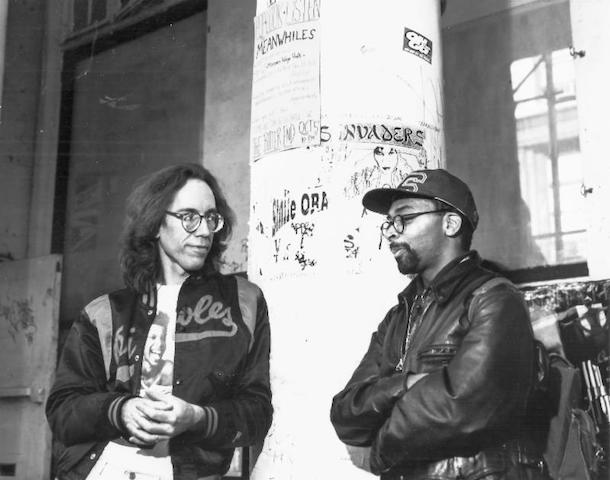
    John Pierson and friend

    John Pierson’s Split Screen, the essential show about American independent cinema, was a deep dive into both the great troublemakers of the 90s film scene alongside the truly obscure, interesting characters that were around at the time. Sadly, the series, which originally aired on IFC, was unavailable to the public for years, until its recent rerelease on the FilmStruck’s Criterion Channel,

    AFS is thrilled to join with John Pierson to host a live event presenting selections from the show on Sunday June 11.

    The re-release is truly exciting news for film lovers. In what he called his “magazine-style show”, Pierson was able to capture all aspects of what was so special about the era– it wasn’t just the big names like Spike Lee and Quentin Tarantino, but the creative corners of the film world that, in the early days of the internet, took an explorer to uncover.

    Pierson was just the explorer for the job, and on Sunday he will present highlights from the series and share some offscreen memories as well. We invite you to join us for this historical and entertaining event.
    One of those hidden corners could be found in the GrrrlRiot scene of Portland, where a feminist filmmaker was churning out her own ultra-indie magazine style film series. A few weeks ago, Miranda July recently joined a Split Screen event in New York alongside Richard Linklater, Kevin Smith, John and Janet Pierson, and recalled her experience getting onto Pierson’s show.
  8. “Easily One of the Best Films of the Year:” I, DANIEL BLAKE; Opens This Weekend at AFS Cinema

    Leave a Comment

    As you have probably read, or even seen for yourself, the AFS Cinema is open again, newly renovated, expanded and improved. We are offering the same kind of repertory, documentary, and community programming as before, only much more of it.

    Additionally, we now have a New Release screen, dedicated to the best first run films. Even within the excellent cinema landscape of Austin, home to first-class venues like the Violet Crown, Alamo Drafthouse and Regal’s Arbor theater, some of the most interesting and acclaimed art house titles have bypassed Austin because the screens just weren’t here.

    Well, there’s a screen here now, dedicated to just that kind of programming. This Friday, June 2, we open the new film Palme D’Or winning film from cinema giant Ken Loach, I, DANIEL BLAKE. It is about a man, unable to look for work because of a recent heart attack, who is squeezed by the U.K.’s changing benefits system, and is compelled to join with others and fight back.

    Reviews on the film have been rapturous. In her review, Marjorie Baumgarten of the Austin Chronicle calls I, DANIEL BLAKE “Emotionally involving and gut-wrenching throughout.”

    In the Washington Post, Ann Hornaday says the film: “brims with spirit, sympathy and candor as it tackles the catastrophic displacement brought on by economic and technological change.”

  9. Midcentury Medieval: ‘Comedy, Italian Style’ Begins May 26

    Leave a Comment
    From Pier Paolo Pasolini’s chapter of the omnibus film THE WITCHES (1967)
    In the Italian comedies of the sixties we find medieval obsessions — love, sex, class, religion, fate and honor — wedded to the shiny, modernist surfaces of midcentury cosmopolitan culture. The obstacles faced by our protagonists are the daunting challenges of modern life, and the tools they are equipped with are the attitudes of generations past–hence the comic tension that is the beating heart of these films. In the course of this series we encounter some of the archetypes of the Italian narrative tradition: the ruined baron who must make a marriage of convenience, the Casanova with a gnawing emptiness inside, the true lovers who must overcome familial obstacles, the brother who guards his sister’s virtue like his own treasure, the thief who was not cut out for the job, and many more. These films are joyous, beautiful, brilliant and very, very funny.
    Please join us at the AFS Cinema over the next month to experience these films as they were meant to be seen.

    Pietro Germi, Italy, 1961, 35mm, 105 min. In Italian with English subtitles


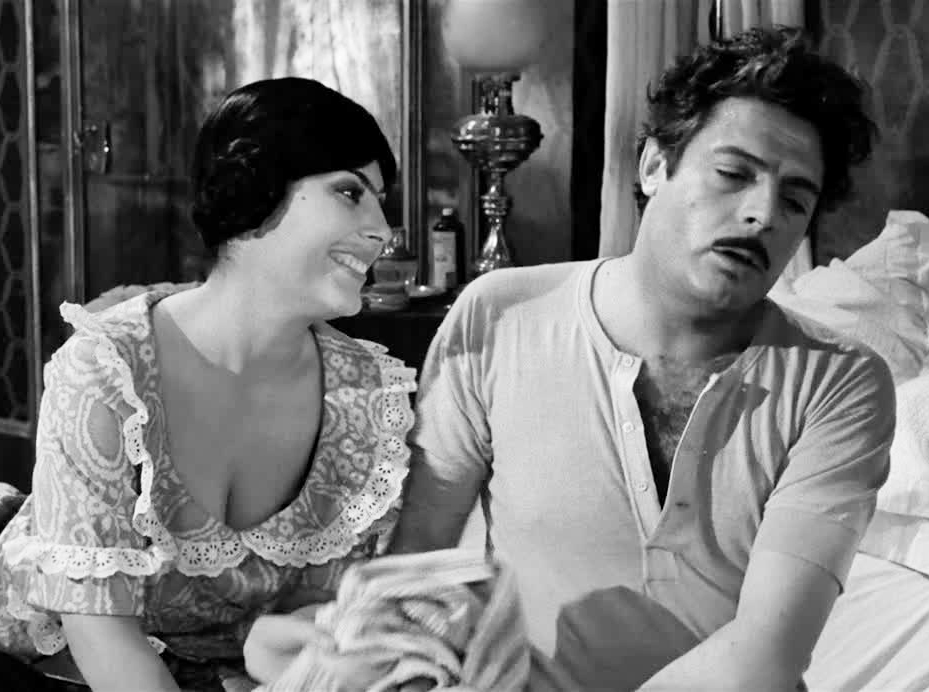
    Marcello Mastroianni has never been funnier than in this epochal Italian comedy from director Pietro Germi in which he plays a titled (and poor) member of a noble family who is unsatisfied in his marriage and spends his life fantasizing about his wife’s attractive cousin. Full of surreal and ribald touches. One of the great classics of the genre.

    IL SORPASSO 5/28 & 6/1

    Dino Risi, Italy, 1962, DCP, 105 min. In Italian with English subtitles

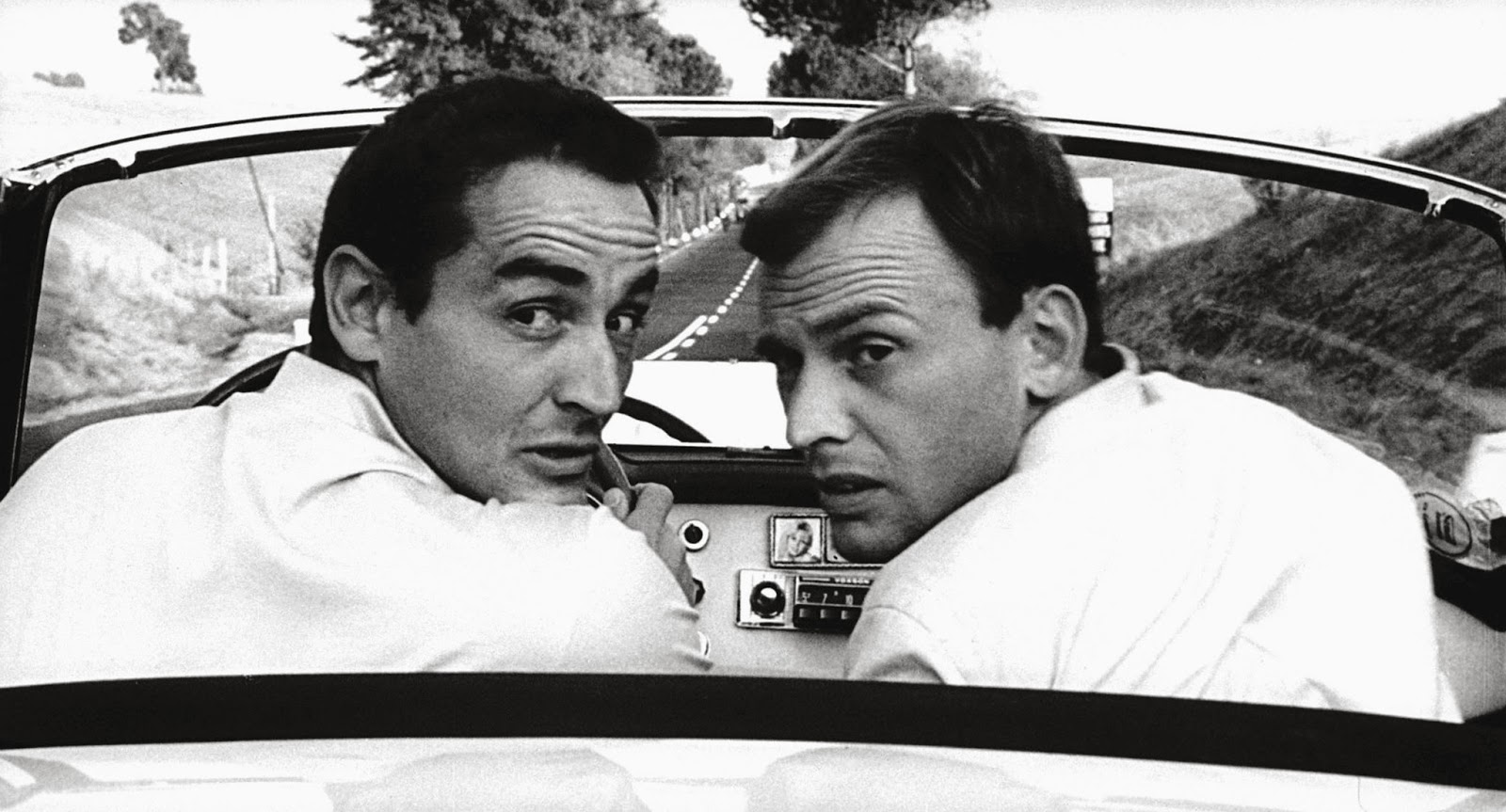
    Writer/director Dino Risi’s international hit follows an uptight young law student (Jean Louis Trintignant) as he is absorbed into the orbit of a handsome, carefree older rogue (Vittorio Gassman) and they embark upon a spontaneous cross-country voyage. During the course of the film, Trintignant’s initial admiration for his companion ripens into something more complex and revelatory. A complex, novelistic, and bittersweet film.

    Various directors, Italy, 1962, Digital, 208 min. In Italian with English subtitles

    During the European arthouse cinema boom of the ‘60s, some producers discovered that they could get good (and commercially viable) results by hiring big name directors and stars to make short films about an agreed upon theme, which could then be packaged into a feature. BOCCACCIO ‘70, purporting to show modern stories that might captivate the titular ribald moralist, is perhaps the best of these. With directorial contributions by Federico Fellini, Mario Monicelli, Vittorio De Sica and Luchino Visconti. Starring Sophia Loren, Anita Ekberg, Romy Schneider and Tomas Milian.

    Various directors, Italy, 1967, 35mm, 110 min. In Italian with English subtitles


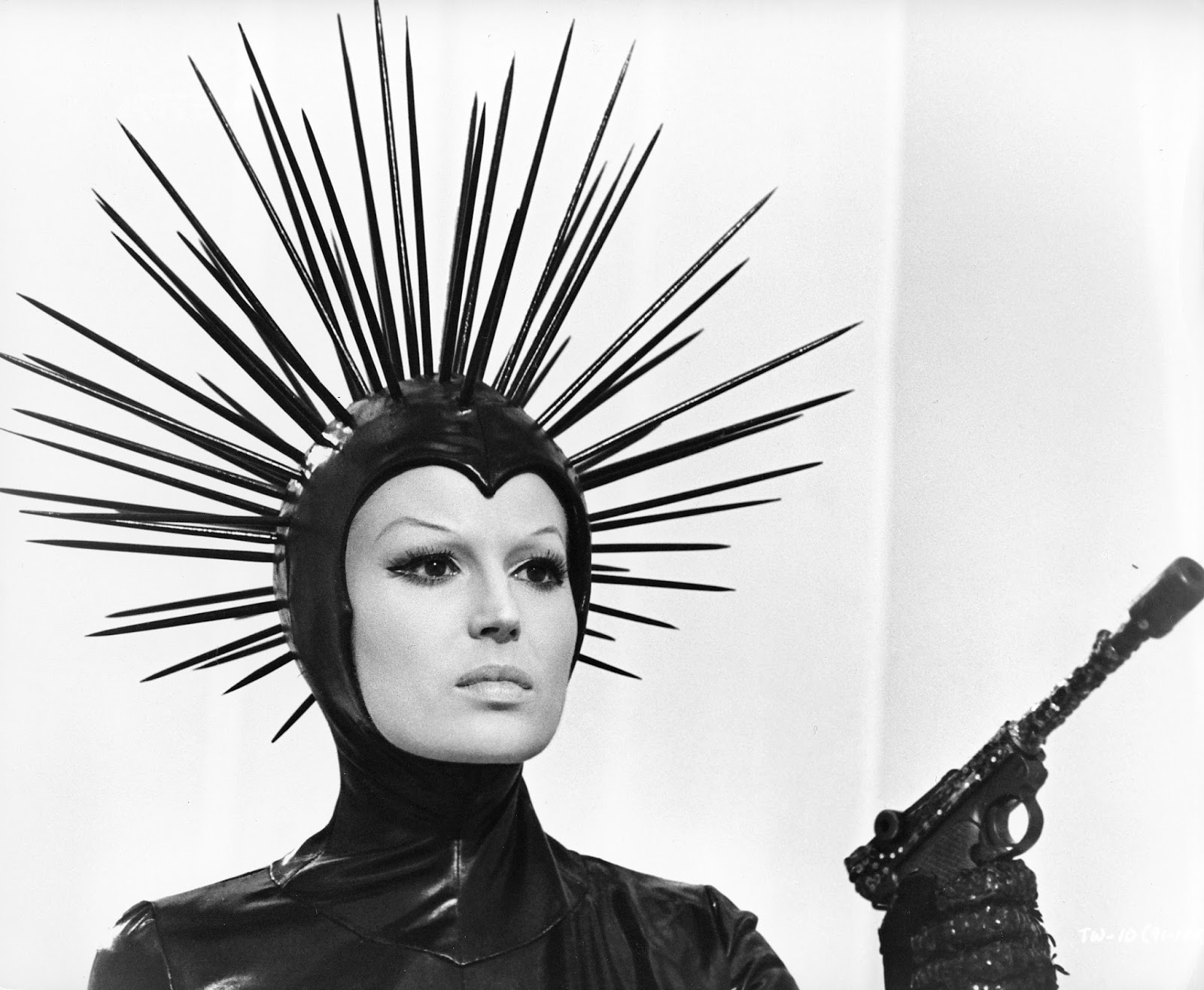
    One of the more unusual Italian omnibus films. This time the common thread to all the chapters is actress Silvana Mangano, who displays her versatility in comedic chapters Directed by Luchino Visconti, Mauro Bolognini, Piero Pasolini (a major highlight), Franco Rossi and Vittorio De Sica. She is joined by a first class roster of co-stars including Clint Eastwood, Alberto Sordi and Annie Girardot. A bizarre, wonderful and rarely screened film.
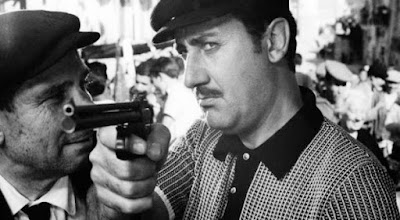
    MAFIOSO 6/15 & 6/17

    Alberto Lattuada, Italy, 1962, 35mm, 105 min. In Italian with English subtitles

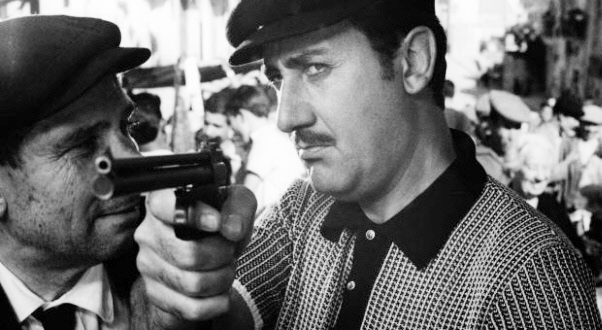
    MAFIOSO is nearly a companion piece to DIVORCE, ITALIAN STYLE, with its’ themes of the unsavory sides of traditional conflict resolution clashing with modern Italian values and, well, the law. Comedy star Alberto Sordi plays Sicilian expat Antonio, who has risen up through the ranks at his northern Milanese car factory but is overdue for a family visit to Sicily, where he’ll introduce his conservative peasant family to his northern cosmopolitan wife and their two young children. The return home is a comedy of clashing values that takes wildly unexpected turns, and Sordi’s character is achieved to perfection as the country boy made good who goes to absurd lengths, and stretches the limits of truth, to impress the home team while keeping the peace with his family and his wife.

    Mario Monicelli, Italy, 1960, DCP, 106 min. In Italian with English subtitles

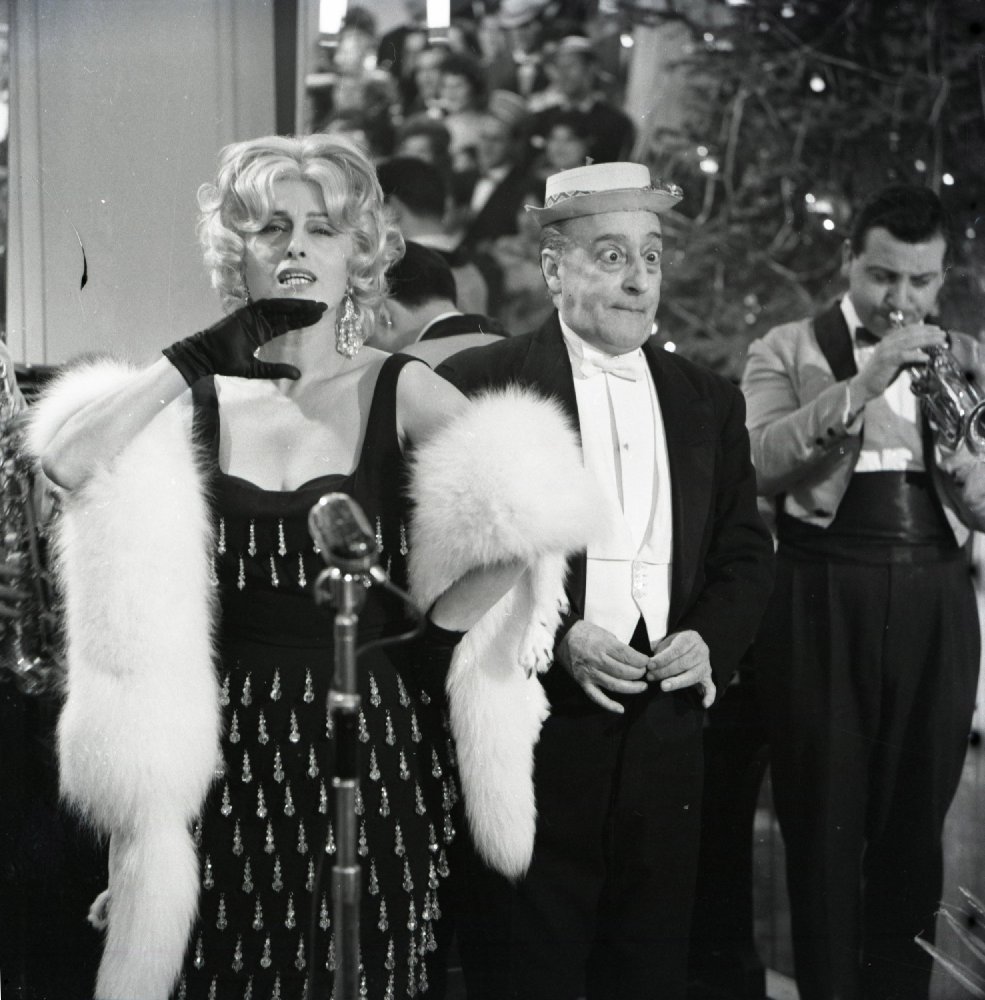
    While not a household name, Mario Monicelli was one of the true masters of the Commedia All’Italiana, combining the astute observational power of a born ironist with the comedic abandon of a man drunk on the possibilities of cinema. THE PASSIONATE THIEF takes place over the course of a single New Year’s Eve in which we are introduced to a suave pickpocket (Ben Gazzara), his elderly lookout man (Toto), and the old man’s dream woman, a brash and blonde-wigged movie extra (Anna Magnani) who throws their plans into chaos. 
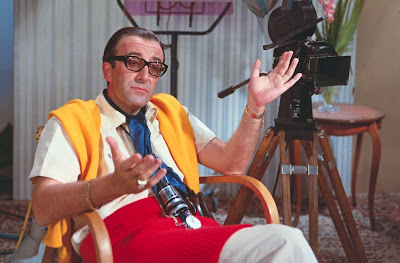
    AFTER THE FOX 6/29 & 7/1

    Vittorio De Sica, Italy/UK, 1966, 35mm, 103 min. In Italian and English with English subtitles

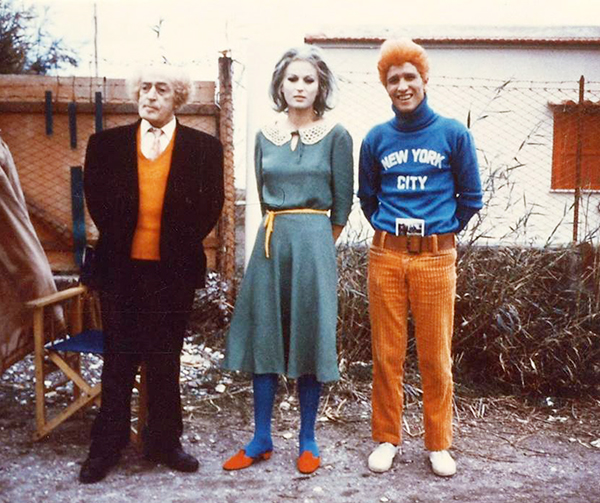
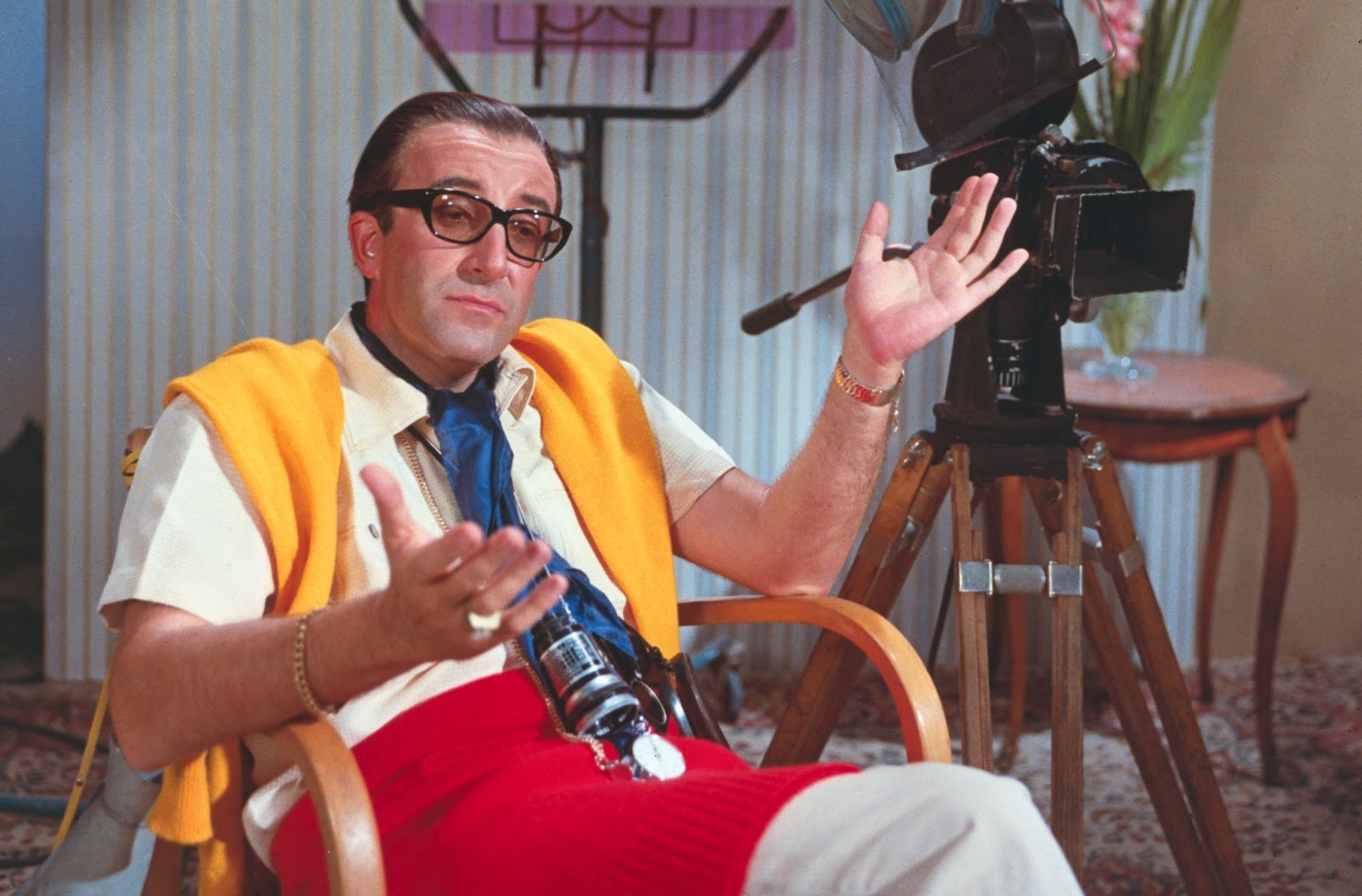
    This film, a magnificent love child of the greatest comic minds of Rome, New York and London, is a self-aware spoof of the mid-century Italian cinema boom (as well as a shining example of it). Peter Sellers is brilliant as an Italian criminal genius and master of disguise who conceives a masterful plan to rob a gold shipment by posing as an eccentric film director in the mold of Fellini. Written by the odd couple of Neil Simon and Cesare Zavattini and directed by Vittorio De Sica, this is a roaringly funny movie.


  10. The AFS Cinema Opening is Just Around The Corner: New Photos!

    Leave a Comment

    As many of you who are reading this doubtless already know, the long anticipated reopening of the AFS Cinema is coming very soon with the first public screenings starting on Friday, May 26. Check out the entire, packed calendar here.

    Not only has the AFS Cinema added a second theater, we have reconfigured the lobby, ticket area, concession offerings, and event space. Now, for the first time, we have photos of these finished or nearly-finished spaces. Hope to see you in person there soon for one of the many screenings or other partner events. We’re looking forward to sharing a few cold beers and some hot popcorn with you.

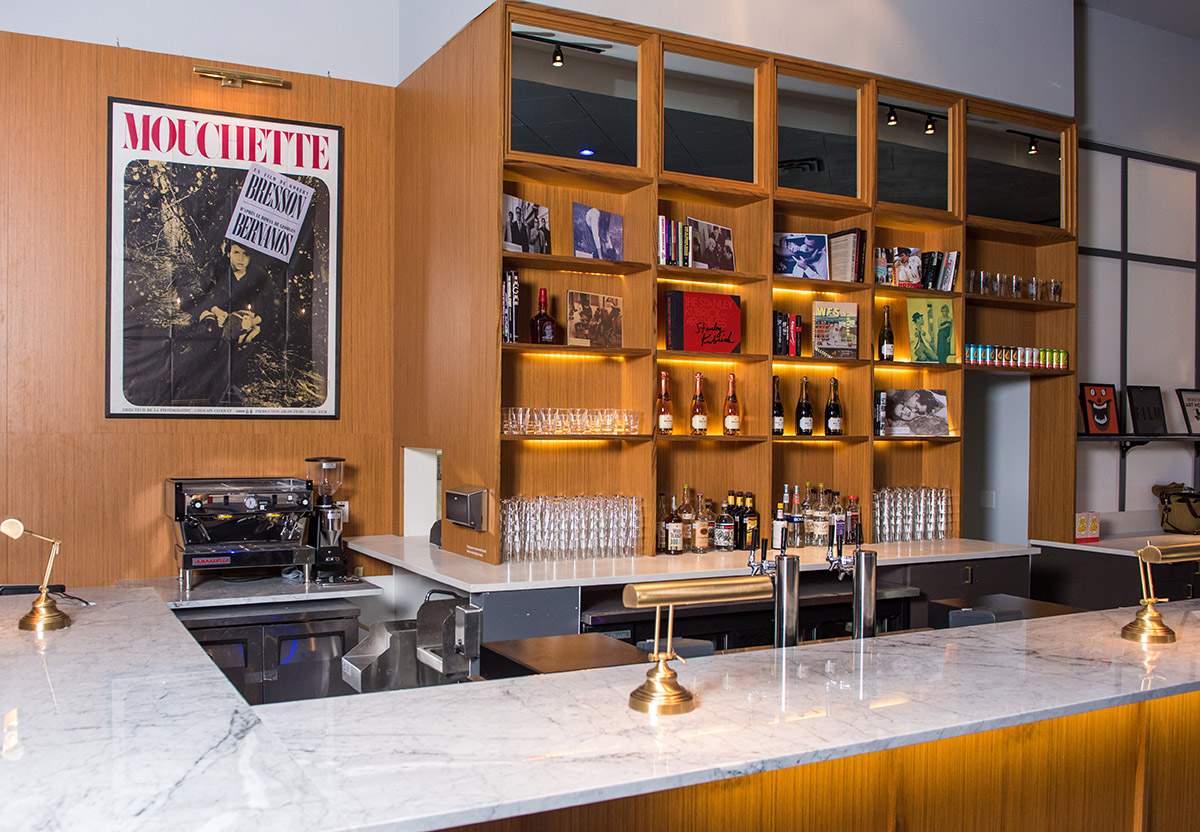
    This is the bar!
    Here’s the “Polish Wall,” named after the Polish posters from AFS Artistic Director Richard Linklater’s personal collection. A frequent pastime is trying to guess which film each poster represents. These are only a few of the posters in the space.
     
    Here’s a POV shot from the new Theater 2 auditorium. Sight lines have been configured for subtitled films, because we’re going to show a few of those.
     
    Here’s a front view of the same auditorium
     
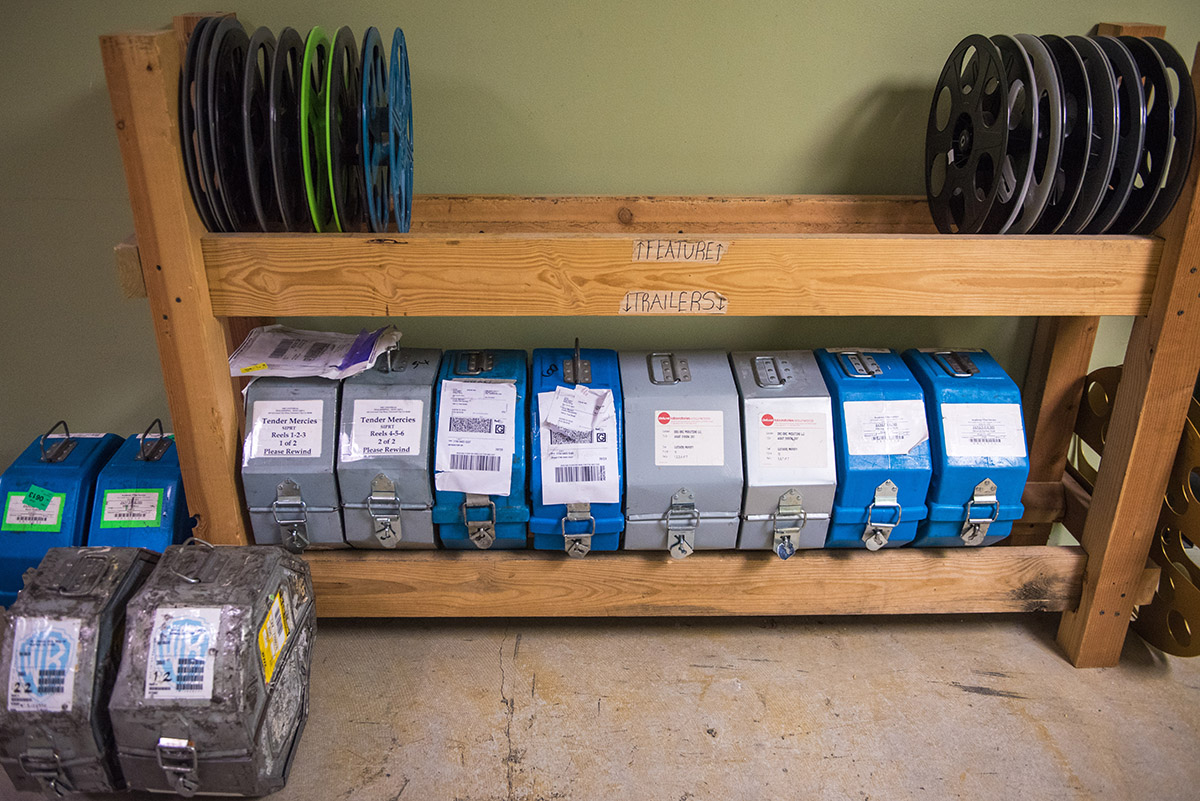
    These are 35mm prints. We’ll be playing a lot of them.
     
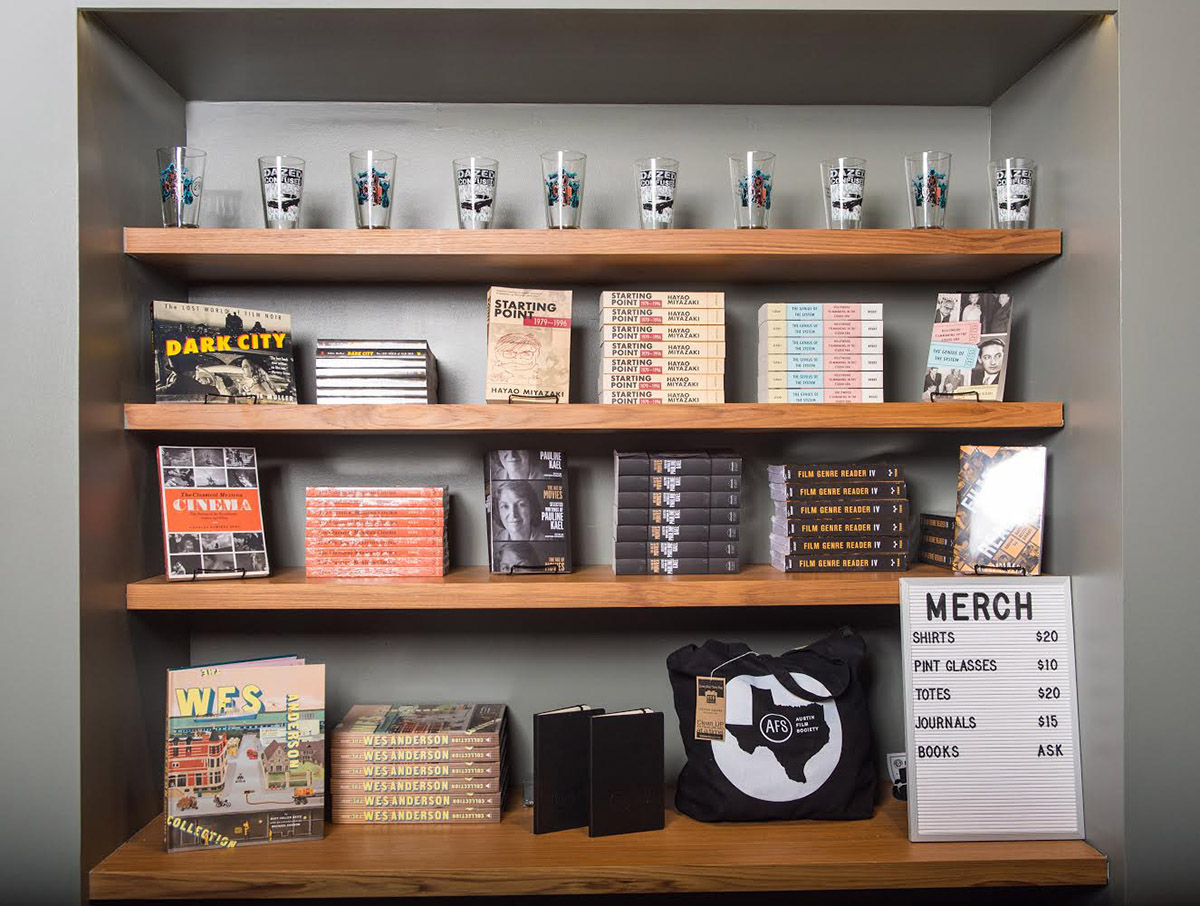
    You can support AFS by buying our awesome merchandise, including a selection of books that we think you’ll like.
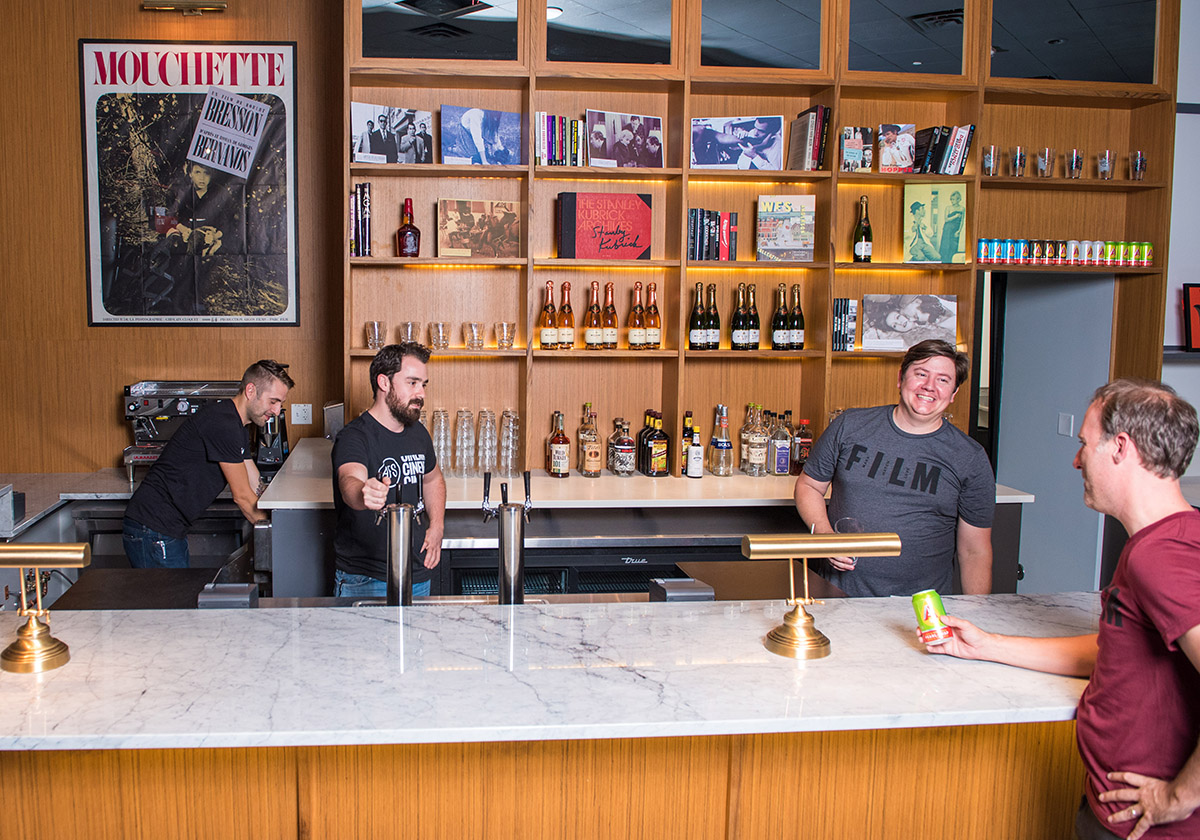
    Here’s the bar again, with a few thirsty members of the AFS Cinema team for scale. They collectively bring many years of experience and are looking forward to making your moviegoing experience as pleasurable as possible.
     
    Thanks to David Brendan Hall for the photographs.
  11. Watch This: DEVO: The Men Who Make The Music

    Leave a Comment

    Today, composer/performer/visual artist Mark Mothersbaugh turns 67 years old. It’s a good time to reflect on how pervasive his influence has been on the popular arts. His band Devo emerged from small-town Ohio with a fully formed aesthetic that was part cultural critique and part art movement. They were also a really solid rock band. That they were able to reach so many corners of society with a brand of music that is built on a pretend (but maybe not) philosophy of De-Evolution, is maybe even more impressive than the way punk broke out of CBGBs and the London scene, both of which were situated in major media capitals.

    Devo always had a strong sense of the importance its film and visual assets. Even if you only know a few Devo songs, you can probably close your eyes and picture the hats and jumpsuits. Appropriately enough, Mothersbaugh has been a sought after film composer as well, writing scores for a large number of films and television shows.

    Here is the 1979 Devo propaganda film DEVO: THE MEN WHO MAKE THE MUSIC, co-directed by Mothersbaugh. At the time, this was seriously cutting edge in its influences and angle. To its credit, it is still deeply weird and entertaining.

  12. AFS Viewfinders Podcast: AFS Programmers Lars Nilsen & Holly Herrick on the New AFS Cinema

    Leave a Comment

    It’s been a busy week at AFS. With the help of our capable team we have announced the opening of our new two-screen theater, the AFS Cinema. In only a few weeks we will resume our regular programming, only this time with the addition of many more screenings and a first run screen which brings the best new release art-house films to you.

    We’re very excited about this major step and are eager to see everyone we know at screenings in the upcoming weeks.

    The newest AFS Viewfinders podcast is a special one. AFS Director of Film & Creative Media Holly Herrick joins me as we discuss our upcoming slate of films, and what we’re most looking forward to.

    Listen to that podcast here, or search for the AFS Viewfinders podcast on iTunes.

THANK YOU TO OUR SPONSORS