Category Archive: Uncategorized

  1. READ THIS: Beautifully Harrowing: Why You Must Bear Witness to “COME & SEE”

    Leave a Comment

    COME & SEE is considered the most devastating anti-war film ever made. Released in the later years of the artistically liberating time of Glasnost, Soviet Union director Elem Klimov tells the story of a Belarusian village being invaded by Hitler’s German troops in 1943. Young Flyora decides to join the Soviet army to defend his village with dreams of heroism and glamor. Instead, Flyora witnesses the intense cruelty and carnage of war as he invariably loses his innocence and comes to grips with the harshness of life.

    In anticipation of our upcoming presentation of the newly restored COME & SEE, we invite you to read the critical reactions to the film and explore its lasting legacy. Screenings begin this Saturday, March 7, 4PM, at the AFS Cinema. Full schedule is here.

    Roger Ebert:
    “It’s said that you can’t make an effective anti-war film because war by its nature is exciting, and the end of the film belongs to the survivors. No one would ever make the mistake of saying that about Elem Klimov’s “Come and See.”
    It’s not everyday that you get this vote of confidence from Roger Ebert. Read more >>

    The AV Club
    “Come and See paints a real historical event as an expressionist nightmare, full of abstract horrors and heightened surrealism.” AV Club’s review whole heartedly recommends this film for a bone-chilling time at the cinema. Read more >>

    The New York Times:
    “Powerful material, powerfully rendered by the director and co-writer Elem Klimov…” “Scene for scene, Mr. Klimov proves a master of a sort of unreal realism that seeks to get at events terrible beyond comprehension.” The New York Times knew COME & SEE was more than just a film. It was the beginning of the end for the Iron Curtain. Read more >>

    The Calvert Journal on COME & SEE’s Legacy
    “In the 30 years since Come and See‘s release, although its influence has been great, none of the more recent films have been able to realise the original’s emotional acuity.” Calvert Journal tells the readers how it is: there will never be another COME & SEE. Read the full article >>

    ELEM KLIMOV ON MAKING “COME & SEE”
    (https://www.youtube.com/watch?v=VN9_r1NEnGM)
    COME & SEE director Elem Klimov recounts the nightmarish process of getting his film through the Soviet censors, and more.
  2. Read More: Don Hertzfeldt’s Stick Figures at 20

    Leave a Comment

    Oscar-nominated animator Don Hertzfeldt is the DIY genius behind animations such as Rejected, The Meaning of Life and It’s Such a Beautiful Day. His lo-fi, yet visionary, cartoons have had an indelible impact on audiences across the world, predicting and shaping the postmodern, nihilistic comedy of the memes and viral videos that followed.

    In anticipation of our special screening of REJECTED at 20 this Friday, February 21 at the AFS Cinema with Don Hertzfeldt present and talking at length about his body of work, we take you through the evolution of Hertzfeldt’s films and the constant cultural impact the animator has made ever since his 2000 breakout film REJECTED. (including a bonus interview with Hertzfeldt by our very own AFS Lead Programmer Lars Nilsen):

    HERTZFELDT INTERVIEWED IN TEXAS MONTHLY (https://www.texasmonthly.com/the-culture/don-hertzfeldts-the-end-of-the-world/)
    This 2019 article is a must-read for both Hertzfeldt fans and aspiring animators who wish to understand his creative process.

    ‘THE SIMPSONS’ INTRO (https://www.indiewire.com/2014/09/what-you-need-to-know-about-don-hertzfeldt-the-animator-behind-that-brilliant-disturbing-simpsons-couch-gag-125758/)
    For the memorable 25th season premiere of The Simpsons, Hertzfeldt was commissioned to produce an extended credits intro, in a rare break from the show’s tradition. This review from Indiewire introduces the wider public to Hertzfeldt’s work and contextualizes his subversive approach to the beloved couch gag.

    CONFESSIONS FROM DON HERTZFELDT IN VICE MAGAZINE
    (https://www.vice.com/en_us/article/4xqa8p/10-confessions-from-rejected-cartoons-animator-don-hertzfeldt)
    If you’re interested in how to sell an independent short film or how Hertzfeldt collaborates with his niece on his films, then these Confessions are for you. Candid, honest and quirky, Hertzfeldt’s thoughts and observations are sure to leave you spellbound.

    LARS NILSEN INTERVIEW WITH HERTZFELDT
    (https://www.youtube.com/watch?v=Iae8jkV34AE)
    Don Hertzfeldt. Long-haired Lars Nilsen. Alamo Drafthouse. Nuff’ said.

  3. Richard Linklater’s BEFORE SUNRISE at 25

    Leave a Comment

    AFS Public Relations Senior intern, Tom Richard Santos, shares his thoughts on BEFORE SUNRISE ahead of the screening this weekend—the entire Before Trilogy screens Sunday, February 16 at AFS Cinema.

    This year, BEFORE SUNRISE (1995) celebrates a full twenty-five years since Jesse and Celine met on that fateful train passing through Vienna. To celebrate, AFS will be showing this classic love story, written and directed by AFS Founder and Artistic Director Richard Linklateralong with the two following films in the trilogy BEFORE SUNSET and BEFORE MIDNIGHTthis Valentine’s Day weekend. 

    From its relatively quiet beginning in the 90’s indie film wave, SUNRISE has become timeless for many. However, it has also grown more timely for others as the years go on, and perhaps that’s the best reason to revisit it this weekendand why it’s an absolute must-watch for first-timers. 

    “Why this movie?,” you might ask. Why has it remained one of the most enduring love stories of the last quarter centuries? Is it the romance? The story? The will-they, won’t-they over one magical night in Vienna?

    There’s likely no one reason. But, in honor of its anniversary, one reason stands out when looking backit endures because it’s one of the few films of its genre and time that engages in discussion with not only itself and its characters, but also with the person watching it. 

    In short? It’s a film about talking that also wants to talk with you.

    More than a romance, more than early mumblecore, more than “a film about nothing”, SUNRISE as a film seems to strive for one-on-one connections with those watching as much as it does with Celine and Jessethrough a constant back-and-forth on a range of subjects. Whether it’s love or loss, religion or philosophy, or cynicism and romance, the film offers a multitude of things to talk aboutand is willing to bet you have something to say about it too.

    And like any good conversationalist, SUNRISE leaves room for the viewer to talk as well, primarily by asking questions of the viewer throughout. For example, in the first café scene, the film seems to ask how you feel about the palm-reader. Do you agree it’s largely a con, like Jesse? Or do you see it as a romantic, slightly magical encounter as Celine does? Or are you stuck in the middle somewhere, torn when the two argue about it before being interrupted on the Danube?

    These scenes structure the film much like a coffee klatsch, jumping from topic to topic, like old friends catching up as they pass the cream and sugar. It’s wonderfully organic, and makes a viewer feel like they’re there at that table. Perhaps that’s because, in a way, they are.

    Yet the film rarely answers those questions itselfthough Jesse and Celine certainly have their opinions. Instead, SUNRISE film puts the onus of those answers on the viewer. And that’s a rare thing. Many films simply cannot wait to tell you what they’re about, and how you should feel about it. Didacticism rules their messages, and maybe that in itself is evocative of our world today. We are commanded daily by the society we’ve built to have strong opinions and concrete beliefs in just about everything, and both nuance and ambiguity are often sacrificed in the process.

    Perhaps that’s where some of the magic of SUNRISE lies, in its opposition to those ideas. Every opinion and paradigm in the film is continually challenged and collided with throughout the narrative. What’s left from that collision, at least for some, is something much more amorphous and gray. And you are encouraged to make of it what you will.

    Or perhaps not. You are also welcome to take the film at face value. But then again, you are also welcome to change your mind. In the twenty-five years since its release, SUNRISE has invited viewers year after year to return and  have that same conversation, again and again. To ask those same questions of themselves. To change their minds.

    It’s almost a litmus test of growth, and of who you have become since your last viewing. How do you feel about the palm-reader this time? Why does that matter?

    Who are you now?

    That’s one of the many reasons why the film remains so evergreen and why it’s important to so many. You can enjoy it along with the rest of the BEFORE TRILOGY, or as a single show, this weekend at AFS Cinema. Tickets are available here.

    Until then? “Bye”, “Goodbye”, “Au Revoir” and “Later”.

  4. Read More Kael: Five of Her Most Notable Reviews

    Leave a Comment

    Those who lived during Pauline Kael’s time remember her as a brash and sharp-tongued critic for The New Yorker whose distinctly personal voice was acutely observational and highly provocative.

    In anticipation of our Doc Nights series screening of WHAT SHE SAID: THE ART OF PAULINE KAEL on Wednesday, February 12 at the AFS Cinema, we have compiled five career-defining reviews from Kael that made her a tour de force in the American film criticism that might have missed the younger reader or a delightful refresher for those who witnessed her writing (including a bonus 1963 KPFA broadcast of Kael in all her glory shared to us by AFS Lead Programmer Lars Nilsen):

    BONNIE AND CLYDE (https://www.newyorker.com/magazine/1967/10/21/bonnie-and-clyde)
    In her BONNIE AND CLYDE essay, Pauline Kael forecasted the sea change that would take place in American film and displayed an acute understanding of the new American moviegoer that forever cemented her name in the echelons of great American critics.

    LAST TANGO IN PARIS
    (
    https://www.criterion.com/current/posts/834-last-tango-in-paris)
    Pauline Kael was in peak form, and fully plugged in to the cultural zeitgeist, when she articulated the sensational experience of the 1975 New York Film Festival premiere of LAST TANGO IN PARIS.

    NASHVILLE
    (
    https://www.newyorker.com/goings-on-about-town/movies/nashville)
    “The funniest epic vision of America ever to reach the screen.” Robert Altman’s NASHVILLE had such an endearing impact on Pauline Kael that she hailed it as a new chapter in the Great American Epic.

    THE SOUND OF MUSIC
    (
    https://lwlies.com/articles/joan-didion-pauline-kael-the-sound-of-music/)
    One of Kael’s most notorious and polarizing reviews was for the 1965 classic SOUND OF MUSIC. The legend goes that her scathing critique, in which she called the film “the single most repressive influence on artistic freedom in movies,” got her fired from McCall magazine. Simultaneously, the review was instrumental in the creation of Pauline Kael’s mythological status, as explored in this Little White Lies article by Justine Smith.

    WEST SIDE STORY
    (
    https://themillions.com/2011/10/when-film-mattered-pauline-kaels-the-age-of-movies.html)
    Another highlight from the ruthless side of Kael’s writing is her merciless critique of yet another beloved classic, WEST SIDE STORY.

    BONUS: REPLYING TO LISTENERS BROADCAST
    (
    https://youtu.be/sRhs-jKei3g)
    AFS Lead Programmer Lars Nilsen has this to say about Pauline Kael’s Replying to Listeners broadcast, “All of us who replay an argument in our heads afterwards, thinking, “I should have said that!” will appreciate the precision and sickness of the burn she administers here.” Listen to an excerpt.

  5. AFS Cinema – 2019 Year in Review

    Leave a Comment

    2019 was a stellar year at the AFS Cinema. The AFS Cinema welcomed film lovers of all ages, inspired engaging conversations, hosted luminaries, and brought the community together to watch great cinema, every day of the week. Some of the highlights this past year are listed below.

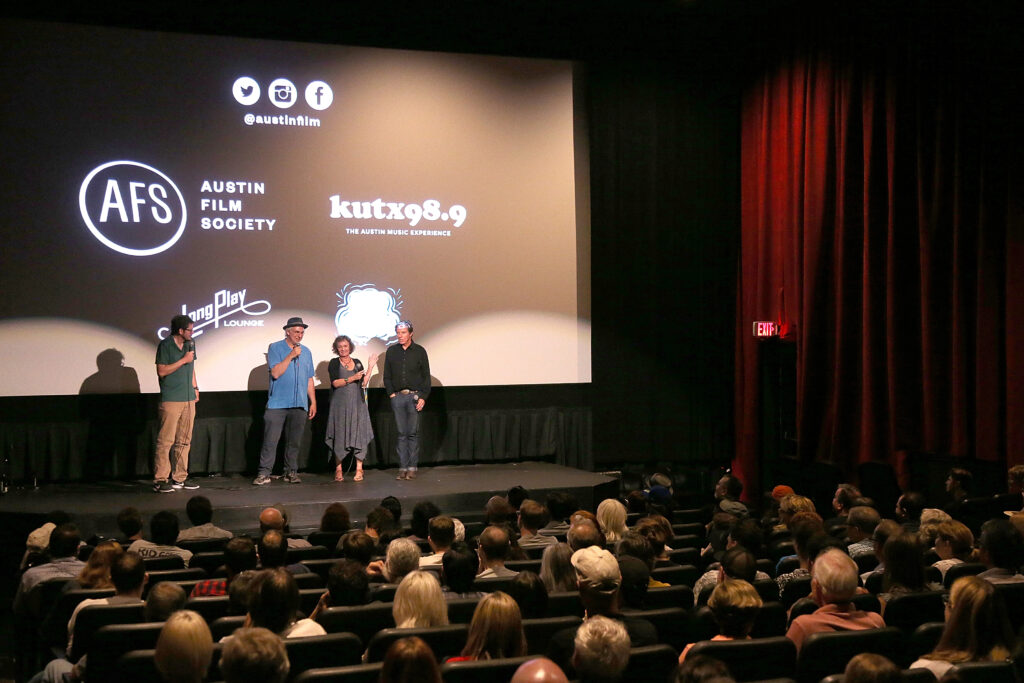
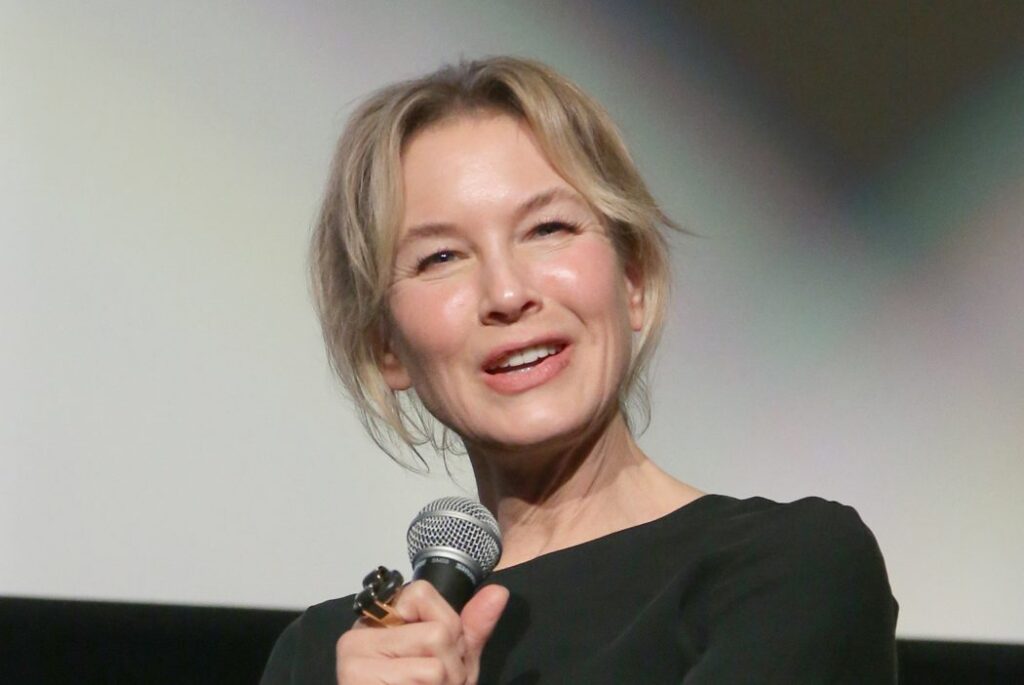
    We welcomed dozens of filmmakers and luminaries, including Renee Zellwegger (JUDY), Lulu Wang (THE FAREWELL), Christine Vachon (FAR FROM HEAVEN), Agnieszka Holland (EUROPA EUROPA), and Zack Gottsagen (THE PEANUT BUTTER FALCON).

    “It’s always so good to be home.” – Renee Zellweger

    Renee Zellweger at JUDY
    Agnieszka Holland at EUROPA EUROPA
    Zack Gottsagen at THE PEANUT BUTTER FALCON
    Lulu Wang at THE FAREWELL
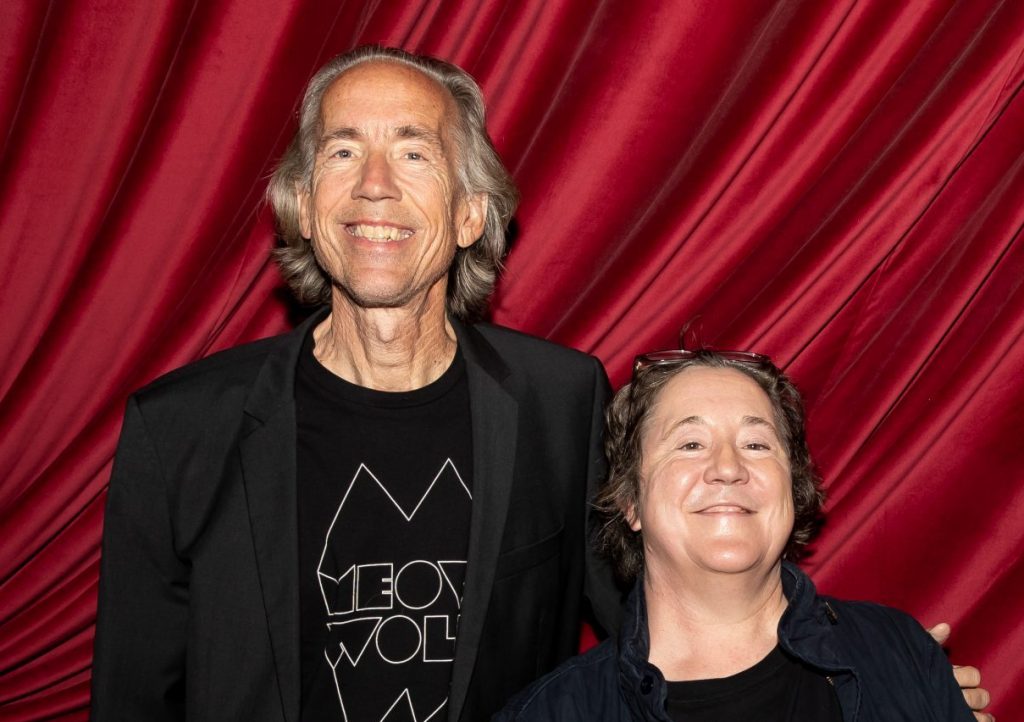
    John Pierson and Christine Vachon at FAR FROM HEAVEN


    Essential Cinema, our long-running repertory film series, visited Edith Head’s Hollywood, the films of Lee Chang Dong, Jean Vigo, Alfred Hitchcock, and Wang Bing.

    Lee Chang Dong’s BURNING
    ROMAN HOLIDAY
    Alfred Hitchcock’s THE 39 STEPS


    We presented new films by Nuri Bilge Ceylan, Ciro Guerra, Hong Sang Soo, Joanna Hogg, Carlos Reygadas, Jean-Luc Godard, Wang Bing, and Jia Zhangke.

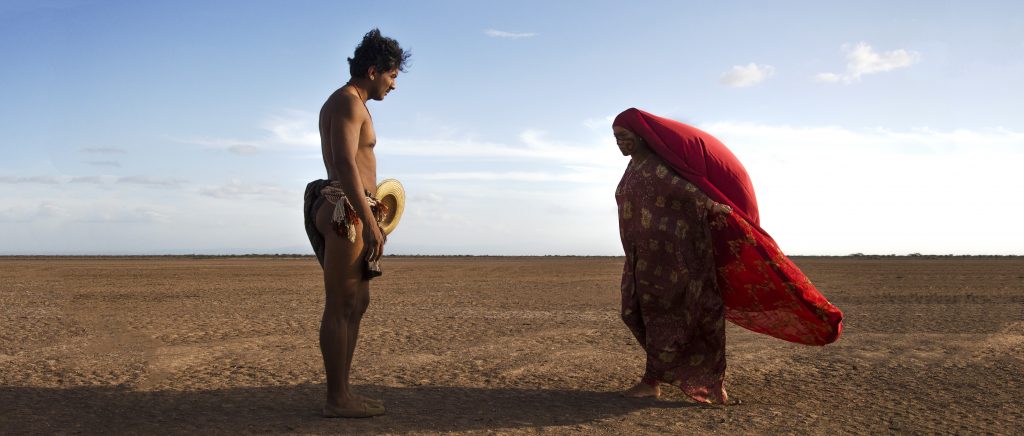
    Ciro Guerra’s BIRDS OF PASSAGE
    Jia Zhangke’s ASH IS PUREST WHITE
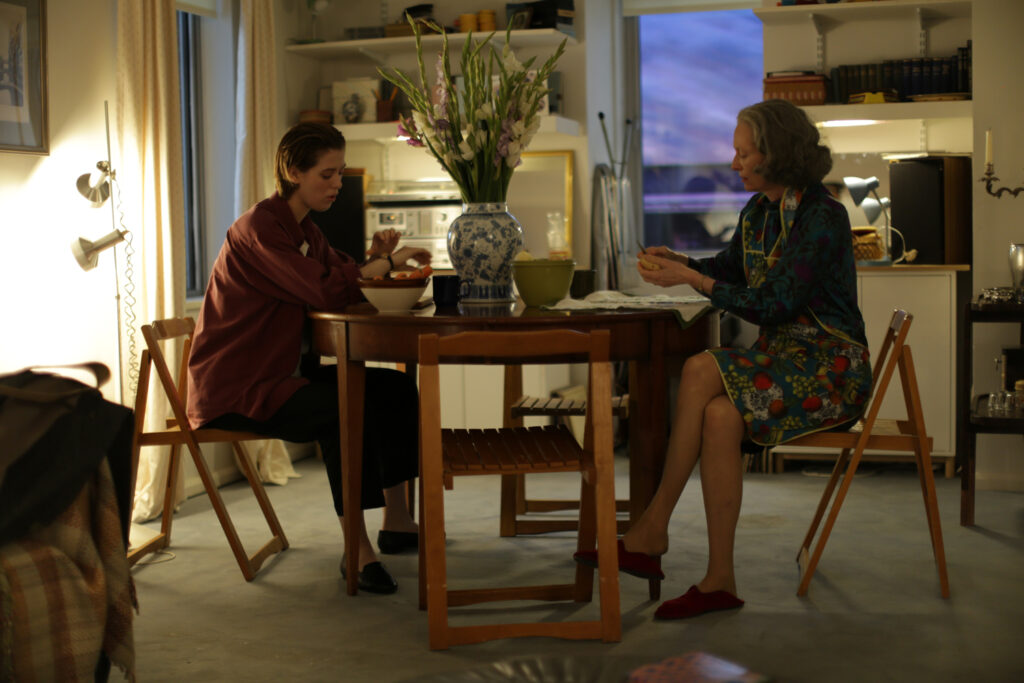
    Joanna Hogg’s THE SOUVENIR


    We explored the Film Noir canon, punk icon John Doe’s film picks, new films from the Middle East, and contemporary Francophone cinema from Europe, Canada, and Africa during New French Cinema Week, and some of Richard Linklater’s favorite overlooked films from the eighties.

    X: THE UNHEARD MUSIC with Bill Wise, Alizabeth Foley, and John Doe
    New French Cinema Week member mixer
    Richard Linklater hosts Jewels in the Wasteland


    Among the numerous films by Texas filmmakers presented at the AFS Cinema this year: the hit documentary THE RIVER AND THE WALL; ALSO STARRING AUSTIN, about the local film industry; and the award-winning WHAT YOU GONNA DO WHEN THE WORLD’S ON FIRE? by Houston-based filmmaker Roberto Minervini.

    THE RIVER & THE WALL
    ALSO STARRING AUSTIN with Louis Black, Mike Blizzard, George Sledge, Sonny Carl Davis, and Lara Morgan
    WHAT YOU GONNA DO WHEN THE WORLD’S ON FIRE?


    We engaged our community through partnership screenings with organizations including Austin Asian American Film Festival, Cine Las Americas, Hill Country Ride for AIDS, Zach Theatre, KUT, BookPeople, Austin Pets Alive, The Texas Tribune, Austin Chronicle, Texas Observer, The Contemporary Austin, The Blanton Museum of Art, Cinema Touching Disability, and more.

    This is just a snapshot, though. The AFS Cinema offers curated programming like this year-round. By becoming a member, you’ll not only get to enjoy the great films we present, but special events like premieres, sneak previews, and member mixers. Join at the LOVE level and you can attend many of these programs for free.

    2020 marks the Austin Film Society’s 35th Anniversary, and we have a lot planned to celebrate this year. So, stay tuned and we hope to see you at the Cinema.

  6. Q&A with “Sidney Poitier: The Measure of a Man” Guest Programmer. Series Begins Feb 6 at AFS Cinema.

    Leave a Comment

    For February’s Essential Cinema program, AFS presents Sidney Poitier: The Measure of a Man, a showcase of some of the most memorable performances by actor, director, activist, and cultural force Sidney Poitier. The series will begin with THE DEFIANT ONES on Thursday, February 6 at 7PM at the AFS Cinema. The full line-up and tickets can be found here.

    Five films starring Poitier will be featured throughout the month, including his breakout role in THE DEFIANT ONES, career-defining turns in GUESS WHO’S COMING TO DINNER? and IN THE HEAT OF THE NIGHT, a jazz-steeped portrait in PARIS BLUES, and his directorial debut effort BUCK & THE PREACHER.

    We will be joined at select screenings by guest programmer Mark D. Cunningham, associate professor at Austin Community College, for discussions about Poitier and his work. Ahead of the series start, we spoke with Dr. Cunningham about the films he has curated for the series, and about the legendary Poitier himself. Here’s what he had to say:

    HOW DID YOU DECIDE WHICH OF SIDNEY POITIER’S FILMS TO INCLUDE IN THIS SERIES?

    In choosing the films for the series, I thought it would be interesting to include a blend of his more iconic roles with a couple of his lesser known ones. Certainly, we think of Poitier standing firm and forcefully saying, “They call me MR. TIBBS!” However, I thought it also important to show more humorous and romantic sides of the man. Not to mention, I thought it important to showcase his work behind the camera as a director, something I think the general public either might not know or don’t always remember about him.

    ASIDE FROM BEING AN ACTOR OF IMMENSE TALENT, POITIER IS ALSO A MAN OF SEVERAL HISTORIC FIRSTS AND RECORD ACCOMPLISHMENTS IN FILM. IN YOUR OPINION, WHICH IS THE MOST IMPORTANT AND WHY?

    Not to be cliché, but I would point to his win of the Best Actor Academy Award in 1964 for LILLIES OF THE FIELD. I can only imagine, at that time, what that must have meant to a community of people not always on the receiving end when celebrating talent in Hollywood. If only for that moment, it had to have been a source of pride and certainly kicked open another door that had previously been closed.

    IN THE HEAT OF THE NIGHT PRODUCED ONE OF POITIER’S MOST-WIDELY KNOWN CHARACTERS, VIRGIL TIBBS, WHOM HE WOULD REPRISE IN TWO SEQUELS. WHAT MAKES TIBBS SUCH AN ENDURING FIGURE IN AMERICAN DRAMA, AND ONE OF POITIER’S MOST POPULAR PERFORMANCES?

    Tibbs is everything we think Sidney Poitier to be, in some ways. He is this stately presence, but also sharp, intelligent, fearless, and tough. The scene from this movie that always stands out is when he returns the slap given to him by the plantation owner. All of what I described prior, to me, is embodied in that scene.

    VERY POPULAR WHEN RELEASED, 1967’s GUESS WHO’S COMING TO DINNER? WAS ALSO ONE OF THE MOST GROUNDBREAKING FILMS OF THE ERA FOR THE COMPLEX THEMES IT EXPLORED AND CONTINUES TO RESONATE. HOW IS THE FILM REFLECTIVE OF ITS OWN TIME, AND ALSO OF TODAY? CAN YOU ELABORATE SPECIFICALLY ON WHAT POITIER BROUGHT TO THE ROLE OF JOHN PRENTICE AND THE FILM?

    This is one of the more problematic films in the Poitier oeuvre, in my opinion. Certainly, I can see, in 1967, why this was seen as progressive. Here is one of the few films to explore interracial marriage. True, Poitier had been down this road before in A PATCH OF BLUE (1965), but this marriage was happening in this film! It is well meaning in its attempt to address the concerns of racism during the Civil Rights Movement. However, looking at it today, it is largely sanitized and really does not complicate the issue at all. Further, the relationship is still “safely done,” aware of the boundaries it is attempting to challenge. Poitier is asexual, almost too good to be true and it just, overall, rings false. It does not resonate now—and maybe not for many then either—because the film behaves almost as if there is no real struggle for racial equality happening outside the walls in which the characters function. Still, coming out the same year as IN THE HEAT OF THE NIGHT, we are able to see Poitier’s range significantly. We see him in DINNER, as the handsome romantic lead, doling out affection and tame kisses instead of slaps and racially charged exchanges.

    PARIS BLUES, PERHAPS BEST KNOWN FOR ITS SOUNDTRACK, IS ONE OF POITIER’S LESSER-KNOWN FILMS. WHY DID YOU FEEL IMPORTANT TO INCLUDE IT IN THE SERIES?

    Poitier and Paul Newman acting together in the same film is recommendation enough. However, I think this film proves more influential in that we get to see Poitier in a situation where he not being, in some respects, the Jackie Robinson of Hollywood, finding ways to infiltrate or get along in a white world or relating with white women romantically. In this movie, the object of his affection is the late, great Diahann Carroll and this is not something we see very much of in the earlier parts of Poitier’s career, especially not during the peak of his popularity in the 1960s. It is also made even more interesting when you consider that Poitier and Carroll were having a love affair of their own at the time (the particulars of which challenge the image of perfection often associated with Poitier).

  7. John Cameron Mitchell Brings His Musical Podcast Anthem: Homunculus To AFS Jan 19

    Leave a Comment

    This Sunday, January 19, the AFS Cinema welcomes acclaimed writer/director/performer John Cameron Mitchell (HEDWIG AND THE ANGRY INCH, VINYL, RABBIT HOLE) for a marathon listening party of the first season of his musical podcast, ANTHEM: HOMUNCULUS. The podcast follows a man named Ceann who is crowdfunding for a life-saving brain surgery by telling his life’s story in a livestream telethon from his Kansas trailer-park home. 

    ANTHEM is a beautiful, sorrowful, and mesmerizing piece of art, due in no small part to the excellent score by composer Bryan Weller (who will also be in attendance), and an all-star cast that includes Glenn Close, Patti LuPone, Cynthia Erivo, and more. It is also deeply evocative of Mitchell’s storied history as a playwright and stage performer.

    The show starts at 2PM and we’ll be listening to all ten episodes in season one mixed with music and conversation, so plan to stay late (until 9PM)! In anticipation, AFS spoke to Mitchell about ANTHEM: HOMUNCULUS and what to expect at the listening party on January 19. Here’s what he had to say:

    WHERE DID THE IDEA OF MAKING A MUSICAL PODCAST COME FROM, AND HOW DID YOU COME UP WITH THE NAME?

    I first wrote it as “Hedwig and the Divine Homunculus,” a sequel to “Hedwig and the Angry Inch.” But the autobiographical elements were just too incompatible with Hedwig’s so I removed her from the story like a benign tumor. Then I fashioned it into a kind of alternate autobiography: what would I be like if I never left my small town? My co-creator Bryan Weller and I began writing it as a TV series at William S. Burroughs’ Lawrence, KS house – we were invited by his longtime partner, James Grauerholtz. Hollywood wasn’t impressed with the project so we rethought it as a podcast series, perhaps the most expensive one ever made as it’s dense with 40 actors, 31 songs, full orchestra, boys’ choirs and complex soundscapes. It was financed by Topic Studios and is distributed by Luminary Podcast Network. Anthem is the name of our overarching musical anthology series – each season will be a different musical made by different creators. Our season is called Homunculus which means “little man” and refers to the tiny alchemist-created Frankenstein in Faust. It’s also the name of the kind of tumor that my character suffers from. My little man turns out to be sentient.

    THE PODCAST FEATURES 31 ORIGINAL SONGS BY YOU AND BRYAN WELLER. WHERE DID YOU GET THE INSPIRATION FROM, DID THE STORY INFORM THE SONGS OR VICE-VERSA?

    The story came first. I left holes for songs. Bryan encouraged me to write the lyrics for the songs and he would provide a musical setting and suggest melody. I would refine the melody and lyrics and we worked very quickly.

    YOU HAVE AN AMAZING CAST IN THE PODCAST INCLUDING GLENN CLOSE, PATTI LUPONE, CYNTHIA ERVO, LAURIE ANDERSON—HOW DID THEY BECOME INVOLVED IN THE PROJECT?

    They were all folks that I knew in some capacity so it was easy to reach out. Good actors are always up for a new challenge especially when they don’t have to shave (podcasts are easy to act in). I sought out Cynthia after seeing her unbelievable performance in The Color Purple on Broadway (see her current Oscar-nominated turn as Harriet Tubman) but Nakhane was the hardest to find. I heard about him in the South African film The Wound and ended up connecting by Instagram (he had just finished watching my film SHORTBUS). We flew him in from Johannesburg. He’s a truly brilliant musical and acting powerhouse.

    ARE THERE ANY PLANS FOR A SECOND SEASON? IF SO, WHAT CAN YOU TELL US ABOUT IT?

    We are presently seeking pitches for season 2. Reach out through DM to our IG @anthempod or mine @johncameronmitchell. Anything goes as long as you might see it as a musical series.

    WHAT CAN THE AUSTIN AUDIENCE EXPECT AT THE JAN 19 EVENT AT THE AFS CINEMA?

    It’ll be like a 7 hour daytime sleepover in a cinema. Cozy seating, food, drink, abstract visuals, surround-sound mix, a few live songs from me and Bryan. Come on down! I’ll also be doing a concert at Bass Hall on February 7 called The Origin of Love: The Songs and Stories of Hedwig


  8. AFS’s January Essential Cinema: Focus on Iconic French Actor Jeanne Moreau

    Leave a Comment

    For our January Essential Cinema program, AFS presents Jeanne Moreau: High Season, featuring a series of masterpieces Moreau starred in from 1958-1963. Too often narrowly viewed as an art house sex symbol or icon of the French New Wave, Moreau was a mesmerizing actor whose performative insights defined an era. Throughout the month, we will showcase this selection of films starring Moreau by giants of European cinema, including BAY OF ANGELS, JULES & JIM, LA NOTTE, and ELEVATOR TO THE GALLOWS—opening this Thursday, January 9 at 7 PM, at the AFS Cinema. The full series line up and tickets can be found here.

    For a closer look, here is an interview with Moreau on NPR’s Fresh Air (originally aired in 1993) reflecting back on her phenomenal career, which spanned nearly seven decades, and how it all started.

  9. Emerging Texas Filmmakers and Seasoned Mentors Gather for AFS’s 2019 Artist Intensive

    Leave a Comment

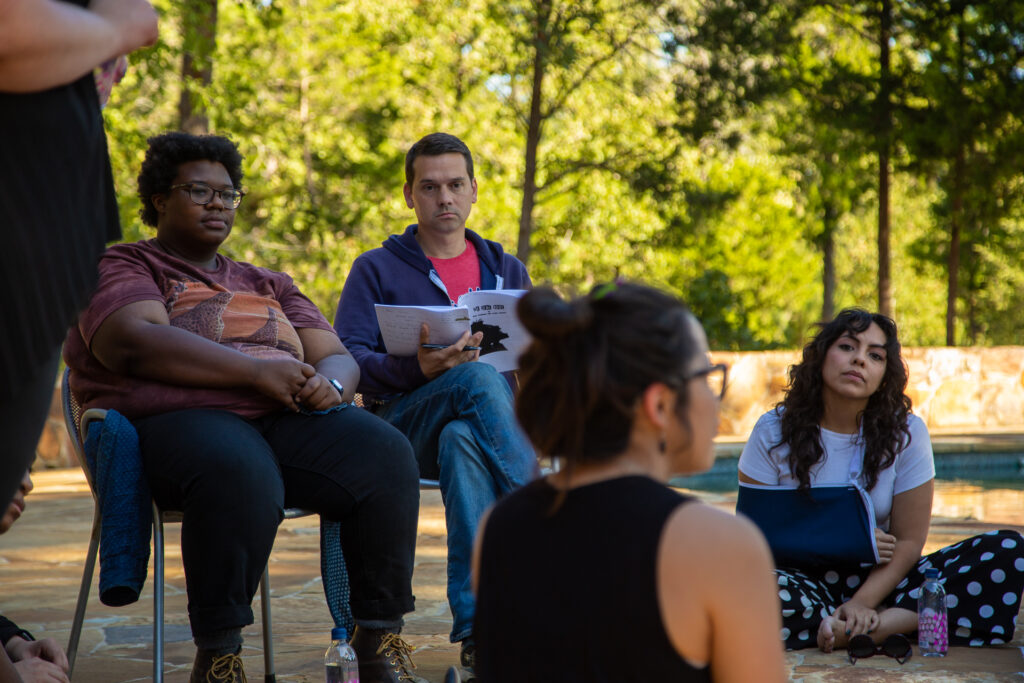
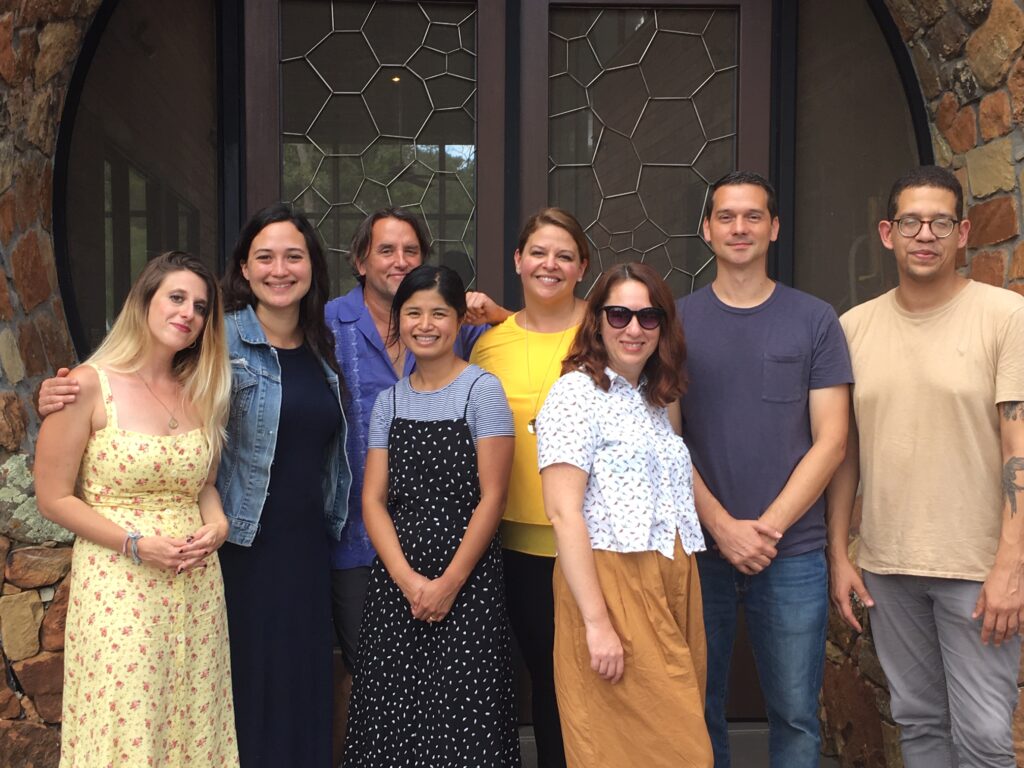
    This past October, AFS hosted our Artist Intensive Workshop, an annual weekend of work, focus, and mentorship for emerging narrative feature filmmakers. Participants include writer-directors who have been invited by AFS to work with a team of peers and mentors to further refine their current narrative feature film projects.

    This year, the lineup looked a little different than in years past, as we featured two projects in development and two at rough cut stages: Maria Lorena Padilla – MARTINEZ (development); Ryan Darbonne and Carina Hinojosa – WE REAL COOL (development); Morrisa Maltz – THE UNKNOWN COUNTRY (post-production); and Channing Godfrey Peoples – MISS JUNETEENTH (post-production).

    The creative advisors and producing mentors who worked with and guided the filmmakers throughout the weekend included directors Jeremy Saulnier (BLUE RUIN, GREEN ROOM) and Michael Almereyda (HAMLET, MARJORIE PRIME), producers Toby Halbrooks (A GHOST STORY, OLD MAN & THE GUN) and Caroline Kaplan (BOYS DON’T CRY, SORRY TO BOTHER YOU), editor Sandra Adair (SHEPARD AND DARK, BOYHOOD) and AFS Artistic Director Richard Linklater (DAZED AND CONFUSED, BEFORE SUNRISE, BOYHOOD).

    The multi-day workshop, which includes screenplay readings, works-in-progress screenings, and rehearsals with guest actors, has been instrumental in providing artists with creative feedback, resources, and momentum for their projects.

    “The AFS Artist Intensive was an amazing experience for myself and everyone on my team. When you’ve been working nonstop—for years—on a small project, I can’t stress enough how important it is be able to get feedback and have the opportunity to discuss what you’ve been doing,” says Morrisa Maltz, director of THE UNKNOWN COUNTRY. “The workshop helped us shape where we are going with the film, and also was a great chance for us to talk about what we’ve been working on for so many years with people we respect and who’s opinions we value. Our team also really needed this block of time together to get on the same page. An experience like this gives artists the courage to continue and make what we’ve been working on feel valued.”

    It is this particular of mix of close collaboration and shared experience with fellow filmmakers and mentors that resonates so deeply with those invited to participate.

    “The Artist Intensive is an unforgettable experience,” says Maria Lorena Padilla, director of MARTINEZ. “The high-level mentors are totally approachable and I think is due to the fact that we are all sharing the same space, and I think we are lacking this kind of “retreat” experience, which is so important for the life of an artist. The fact that we shared a cabin, we shared our meals, makes this lab different, and even if we were there just for a few days, it felt like a month. It is really intensive and I am very thankful for that.


    Fellow participant and director of WE REAL COOL, Ryan Darbonne adds, “Filmmaking is such a taxing endeavor that it’s easy to want to give up but the AFS intensive gave us some much-needed inspiration to keep pushing forward and get our film made.”

    Past Artist Intensive alumni include Annie Silverstein’s BULL (Deauville winner and Cannes Un Certain Regard competition), Augustine Frizzell’s NEVER GOIN’ BACK (Sundance, Independent Spirit Award-nominated) and Julia Halperin and Jason Cortlund’s BARRACUDA (SXSW).


    The Artist Intensive Workshop is just one way that AFS underscores its mission by supporting filmmakers towards career leaps. AFS also provides production grants to Texas filmmakers, travel grants for filmmakers to attend their film premieres at festivals around the globe, Work-in-Progress screenings, and more. Keep up to date on the future of these projects and other AFS filmmaker program alumni by signing up for our filmmaker-focused newsletter.

  10. Watch This: John Cassavetes and Gena Rowlands Talk Work and Life Together

    Leave a Comment

    Cassavetes/Rowlands is the focus of our December Essential Cinema—showcasing some of the best performances between on and off-screen partners, actor-director John Cassavetes and his frequent collaborator, and wife, actress Gena Rowlands. Together they found emotional truth in some of the most important and influential films of their era. The series begins this Thursday, December 5, at 7 PM with MINNIE & MOSKOWITZ and also includes A WOMAN UNDER THE INFLUENCE, OPENING NIGHT, and GLORIA throughout the month.

    To kick things off, we are sharing a candid interview with these two giants of cinema history as they talk about collaborating in work and life, their creative choices, making movies outside of the studio system, and above all else their mutual admiration and respect for one another.

    The full Cassavetes/Rowlands schedule and tickets can be found here.


    https://www.youtube.com/watch?v=vCfsX1tb76w&feature=youtu.be

  11. Nov 25 Proclaimed ‘Austin Film Culture Day’ – Celebrates Pompidou Retrospective Honoring Richard Linklater

    Leave a Comment

    (© Centre Pompidou, photos by Hervé Véronèse)

    Austin Mayor Steve Adler and City Council have proclaimed that November 25 (today!) is now officially Austin Film Culture Day. The proclamation celebrates a new exhibition and career retrospective honoring Richard Linklater at the Centre Pompidou in Paris, and with it, international recognition for Austin film and the entire film community.

    On view from November 25 – January 6, Richard Linklater: Filming Time as Material will feature his complete filmography presented alongside original photographs, posters, documents, and videos, including a special short film commissioned for the retrospective, all dealing with time—a central theme of his work. With this exhibition, Linklater joins the esteemed ranks of some of history’s greatest filmmakers, including Chantal Akerman, Brian De Palma, Jean-Luc Godard, Martin Scorsese, Abbas Kiarostami, Werner Herzog, and others previously honored by Pompidou retrospectives.


    In advance of the opening, the Centre Pompidou sat down with Linklater to talk about his work and process, and making films in Austin, Texas:

    Centre Pompidou: How did you get into movie-making?

    Richard Linklater: While I grew up loving films, I didn’t think of it as something I could do until I was in my early 20’s. Up until then, I considered myself an aspiring novelist, then an aspiring playwright, then I discovered movies and realized it was my medium—I had films in my head, not novels or plays, and then and there dedicated my life to cinema.

    In your movies, you ponder the duration of action, the zeitgeist, the passing of time. Is time at the core of your work?

    I’ve always loved the unique relation the cinematic art form has with time. I feel it’s so fundamental—if a film is a canvas, time is the paint, which of course can express itself in so many different ways.

    How did you come to make 3 films with the same characters and actors, the Before Trilogy with Ethan Hawke and July Delpy—every 9 years—thus spanning over 18 years? How did you get the idea for BOYHOOD, one of the craziest ideas in the history of cinema, a fiction movie you took 12 years to shoot, to portray a child growing into an adult?

    The Before Trilogy is fairly accidental, we just fell into it, realizing each time that those two characters were at a new phase of life and we had something to express about it. BOYHOOD was very different in its origin. I wanted to make a very personal film about childhood but couldn’t find one little window into a particular story. What I was wanting to depict was craving a much bigger canvas and there’s this inherent limitation with what you can represent with young actors. You can’t just tell the 9-year old, “okay, now you’re going to be playing like you’re 13” and using different actors only works if there are plenty of years in between their ages, and even then, it’s often problematic. So, I had a problem I was trying to solve. Just as I was giving up on it as a film, and thinking maybe this will best be expressed in literary form rather than cinematic, as my hands touched the keyboard to start writing that novel, the big idea hit me and there was the film, everyone slowing growing up and aging over the years in the one film. It would require 12 years to make, but I knew it would work the way I wanted.

    You have sometimes worked in Hollywood and very often with stars, while remaining independent. You set up your own business, Detour Filmproduction, and also the vibrant Austin Film Society, which started out as a little movie club and which now has a cinema and studios, and distributes grants. How did you manage that?

    I’ve consciously chosen to keep the industry at a distance from my creative center, both geographically and spiritually. You get too close and it might affect your thought-process, decision-making, priorities, etc. I just want to tell the stories I’m passionate about, with no bigger plan or strategy, one film after another, with no compromise. I’ve been lucky to have industry backing at times, and also happy to be able to jump around to whatever lower budget and situation I might find myself in regarding a particular project I want to do. I’ve never seen myself at a certain level. Austin has been a wonderful place to work from, a very modern and progressive community but still in the Texas of my story-telling core. It feels now that our film community and myself have grown up together.

    You present a complete retrospective as well as, for the first time, an exhibition on your work at the Centre Pompidou. What does it mean to you?

    It’s certainly an honor, and a challenge of sorts. I look forward to having all the films and materials so close to one another, maybe just to see if it coheres and makes any sense.


  12. Read This: Cinema 40’s original writing on Jean-Luc Godard’s LA CHINOISE

    Leave a Comment

    Our November Essential Cinema series Cinema 40 continues this week with a screening of Jean-Luc Godard’s LA CHINOISE on Thursday, November 21. Cinema 40, Austin’s first film society, laid the groundwork for the city’s contemporary film scene by helping to create UT’s first film department, bringing avant-garde films and luminaries to campus, and publishing a quarterly—Harbinger magazine—that featured original writing by Susan Sontag, Ernest Callenbach, and others. One of those luminaries, Godard, was venerated by the Cinema 40 crowd, and the group convinced the director to come on his only known Texas visit in 1967. Get a glimpse into Cinema 40 history with this excerpt from Harbinger, a critical essay on LA CHINOISE, which Godard presented in person on that visit. If you enjoy this article, you can pick up a copy of our Cinema 40 zine at AFS Cinema while supplies last.


THANK YOU TO OUR SPONSORS