Category Archive: Uncategorized

  1. Watch This: Rip Torn & Norman Mailer’s Berserk MAIDSTONE Fight

    Leave a Comment

    “You know this is what I had to do.”

    Novelist and journalist Norman Mailer was, in addition to being one of the finest writers of his era, a truly difficult man, who, among other things, exalted violence as a means of achieving existential purgation. He was a fascinating, contradictory person, writer, would-be politician, and even filmmaker.

    For his third film, MAIDSTONE (1970), a loose and experimental political film, Mailer himself played a presidential candidate whose campaign is shadowed by a documentary crew. Mailer hired actor Rip Torn (born on this date in 1931 in Temple, Texas) to play his half-brother in the film. Torn, whose reputation as a fine actor is accompanied by an equally notorious reputation as a hell-raiser, did not disappoint on either count. The situation between Mailer and Torn became more and more tense as filming continued, and, on one beautiful day, as Mailer’s family cavorted in Provincetown, Torn attacked. Literally. The whole thing is captured in the final film.

    As cinematographer D.A. Pennebaker films in long shot, we see Torn hit Mailer with a hammer. They wrestle and tumble to the ground as Pennebaker closes in for a tight shot. True to his documentary roots, Pennebaker does not intervene in any way. This is rough, tough stuff, as Mailer bites Torn’s ear, drawing blood and the two are locked in a death grip. Mailer’s family and friends intervene and they have a tense stand-off. Mailer tells Torn he won’t include the footage in the movie. Torn repeats, “Norman, you know this is what I had to do” several times. Then, as Mailer comforts his hysterical children, Mailer’s wife Beverly, screams and threatens Torn. It’s tense and violent stuff.

    Watch the scene here. Warning, this real violence may be disturbing.

    Many years later, in an interview, Mailer, who says that he and Rip Torn had made up in the years since, said of the footage:

    When I saw it, I realized I had to put it in. It was just too damn good. I hated it, but I felt I had to put it in. Rip was right. I was making a movie about assassination. How could I not have an assassination in it?

    Of Pennebaker’s hands-off attitude, Mailer says:

    I remember afterwards I was furious with him and I went up to him and said, “Well, would you photograph my last gasps?” He had a work ethic just as I did and we discovered that his work ethic and mine had nothing to do with one another. At that point my work ethic was, the film’s over, let’s congratulate the director. His work ethic is finding a scene so he stayed with the scene. On balance, he may have been right. I think he probably would of intervened at some point, but it would have been way down the road.

    Rip Torn, a University of Texas alumnus, was inducted into the Texas Film Hall Of Fame in 2011.
  2. Good News! Mark Harris’ “Cinema ’67 Revisited” in Film Comment

    Leave a Comment
    We’ll take good news wherever we can find it nowadays. And the news that Mark Harris is beginning a regular column in Film Comment is some of the best news we’ve heard in ages. Harris has written one of the best film books ever, “Pictures At A Revolution,” which examines Hollywood, America, and the world through the prism of the five Hollywood films nominated for the Best Picture Oscar in 1968.

    In Harris’ new column in Film Comment, Cinema ’67 Revisited, he returns to that fruitful period in a series of biweekly articles.

    He begins, as might be expected, with Michelangelo Antonioni’s ode to swinging London, paranoia and mimes, BLOW-UP.

    He writes:

    “With Blow-Up, however, it was clear: Antonioni had compromised nothing. The film starts as a quasi-Hitchcockian thriller about a London fashion photographer who witnesses the aftermath of a murder, but ends as something more metaphysical, environmental, and philosophical. “The English thought me mad,” he told Rex Reed, “But I thought them mad, with all their unions and rules . . . Now everyone talks of the wonderful grass and the wonderful trees, but I painted the grass with green paint and I painted the streets and the buildings with white paint. I even painted the tree trunks. Everything.”

    This week, for his second installment, Harris tackles a wild card, the second-tier star-studded soaper, HOTEL.

    Hotel is junk, but it is fascinating, revealing junk, heavy with an anxious, dawning knowledge that its era is about to end; the nominally opulent production values hang on the film like a slightly stale cologne that’s been slapped on to mask something worse. The sheen of flop sweat is palpable right from the poster, with the effortful, mostly incomprehensible slogan, “You straightened out the room in broad daylight…but some things still breathed and pulsed with what had happened the night before—“ (It ends like that, with a dash, because even it has no idea where it means to go from there.) The roster of actors—Rod Taylor, Catherine Spaak, Karl Malden, Richard Conte, “and Merle Oberon as ‘The Duchess’”—suggest not an all-star cast but the choices one would make after being turned down by an all-star cast.

  3. Watch This: Behind the Scenes of THE LAST EMPEROR

    Leave a Comment

    A rare 35mm print of THE LAST EMPEROR will be presented by AFS at the Paramount Theater on Thursday, February 2. This screening will be hosted by AFS founder and Artistic Director Richard Linklater. Tickets are available.

    THE LAST EMPEROR, which is 30 years ago this year, is a fascinating film. It is perhaps the last of the true international epics, in the mold of Davis Lean’s works. It’s a film that pays as much attention to small details of character as it does to mass movements of people. The film swept the Academy Awards, winning in every category in which it was nominated, including Best Picture, Best Direction and Best Cinematography.

    The following clip shows Bernardo Bertolucci directing a large scene with a lot of actors. Then we hear a bit from Peter O’Toole – no stranger to epic filmmaker, and finally we observe Bertolucci’s approach to close detail work as he strategizes his closeups.


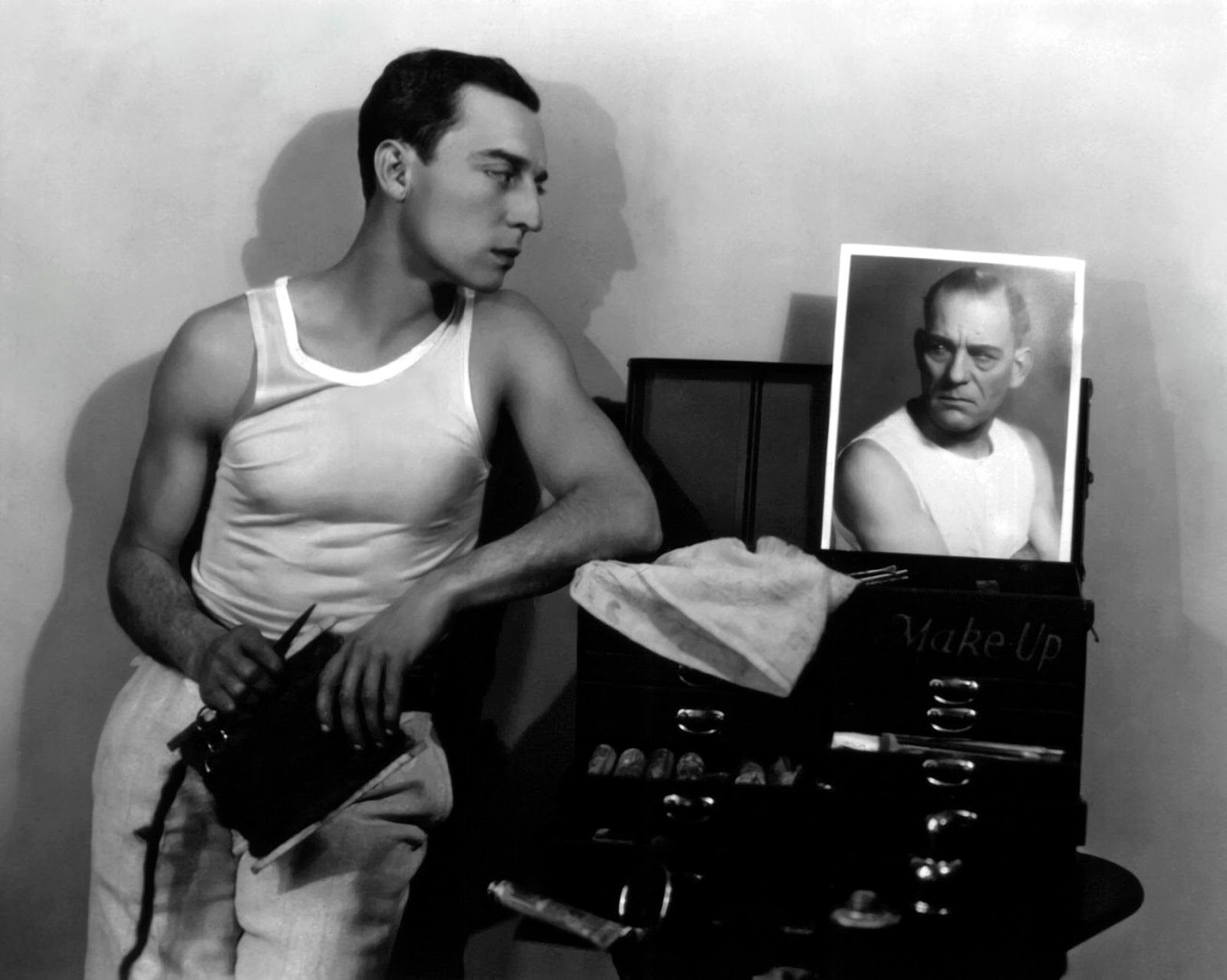
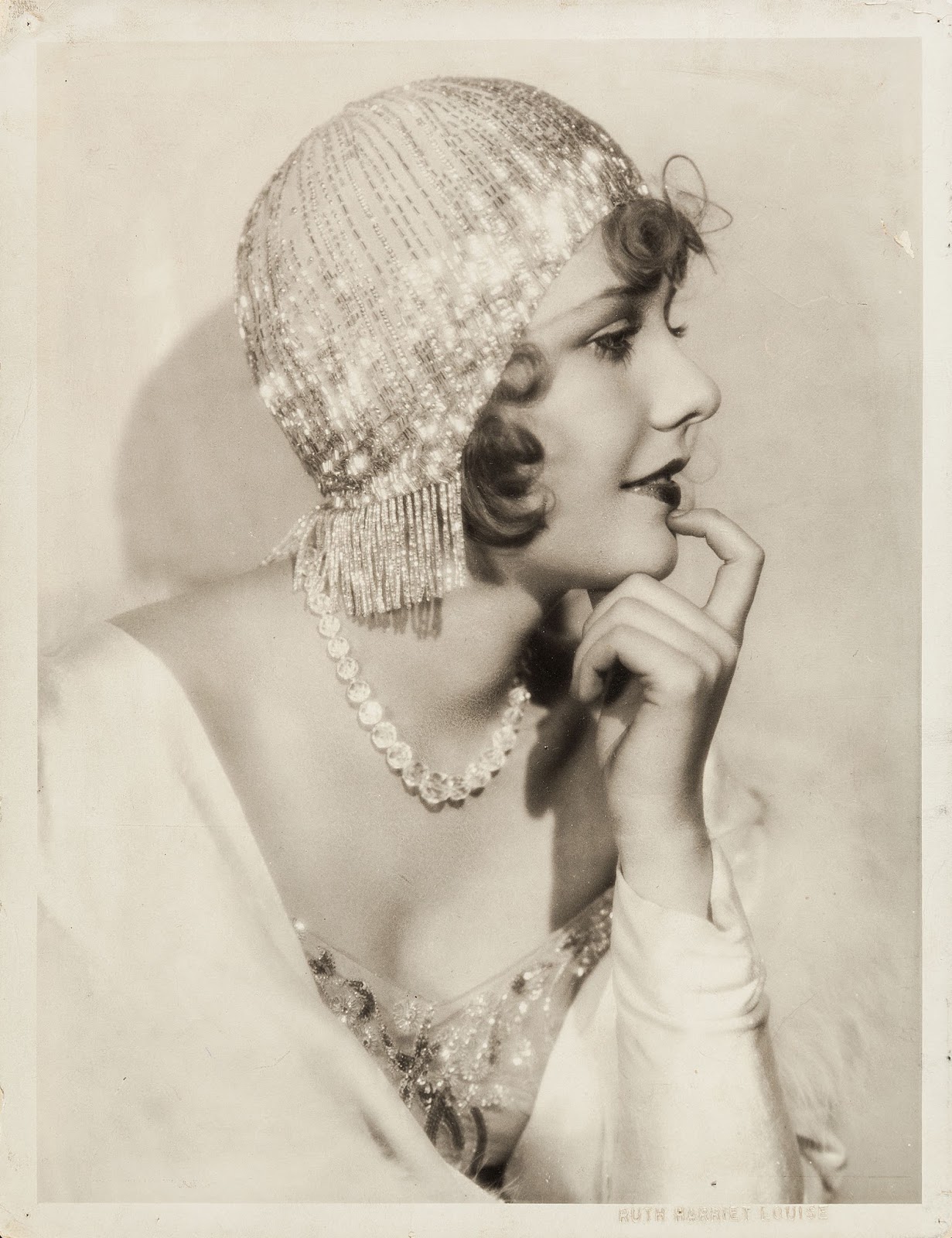
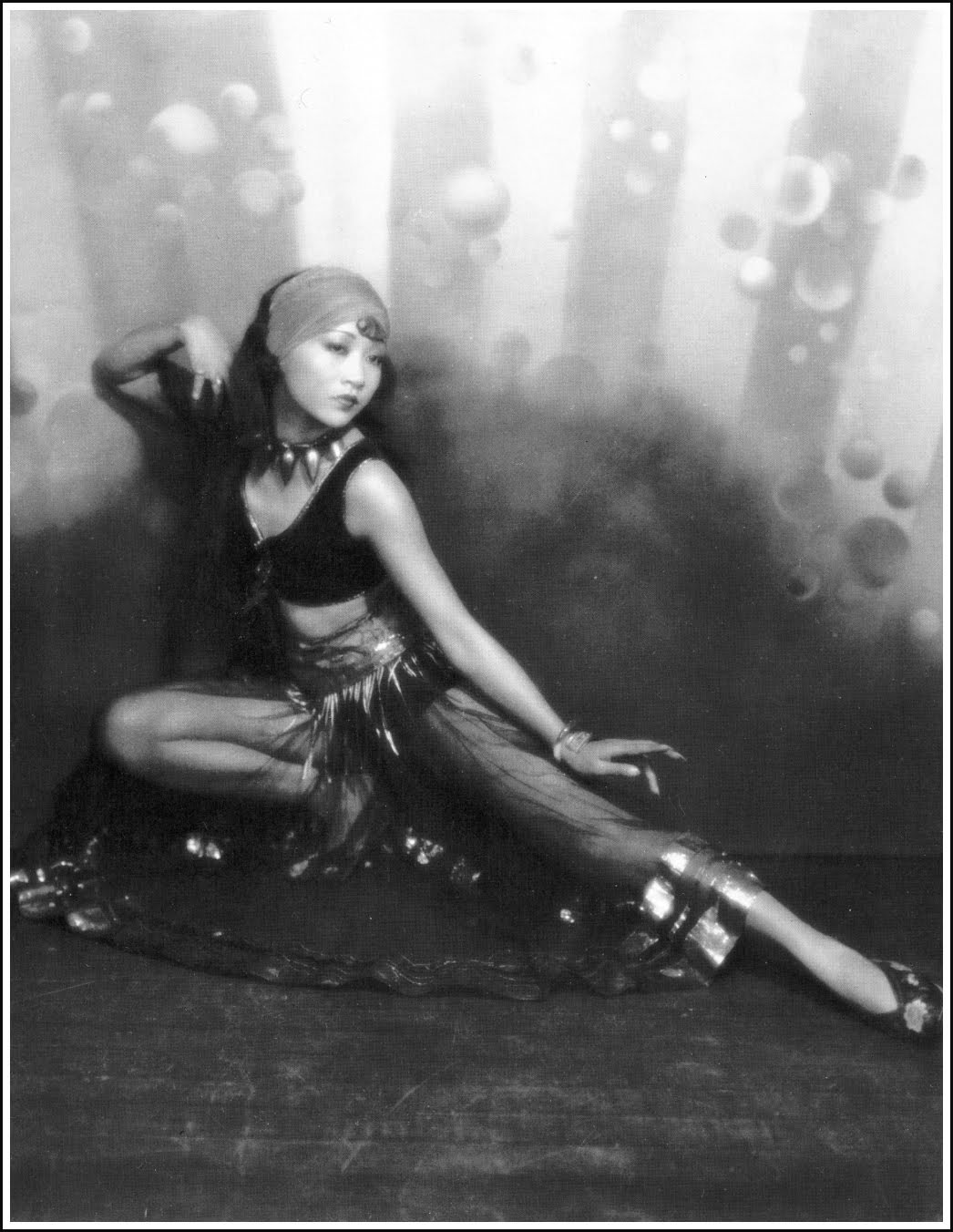
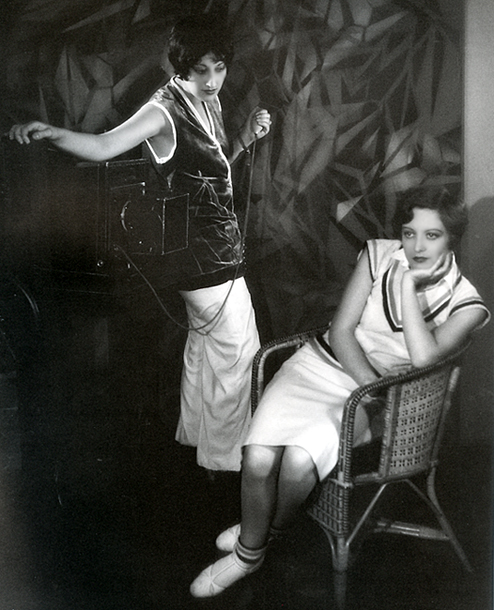
  4. A Gallery of the Work of Ruth Harriet Louise, Photographer & Hollywood Pioneer

    Leave a Comment
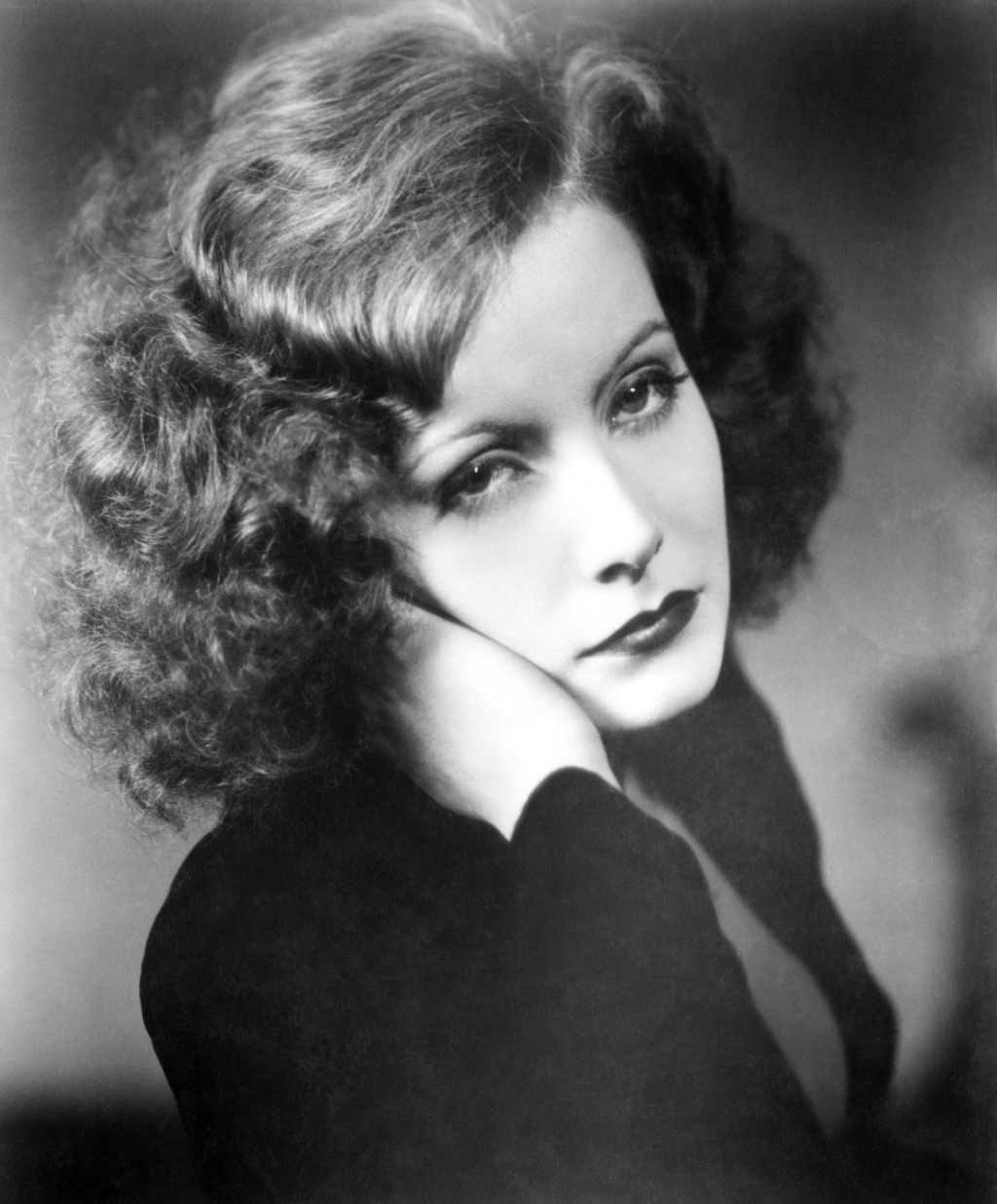
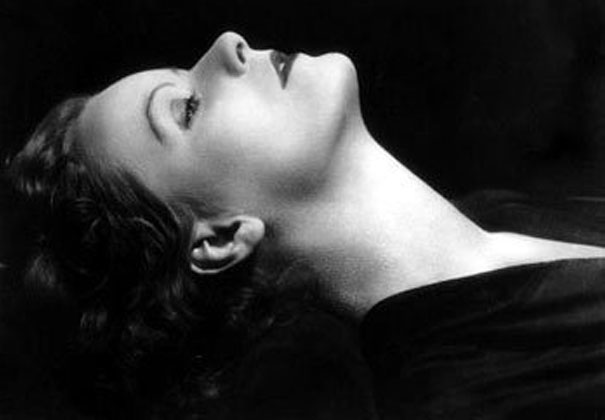
    Greta Garbo, photographed by Ruth Harriet Louise

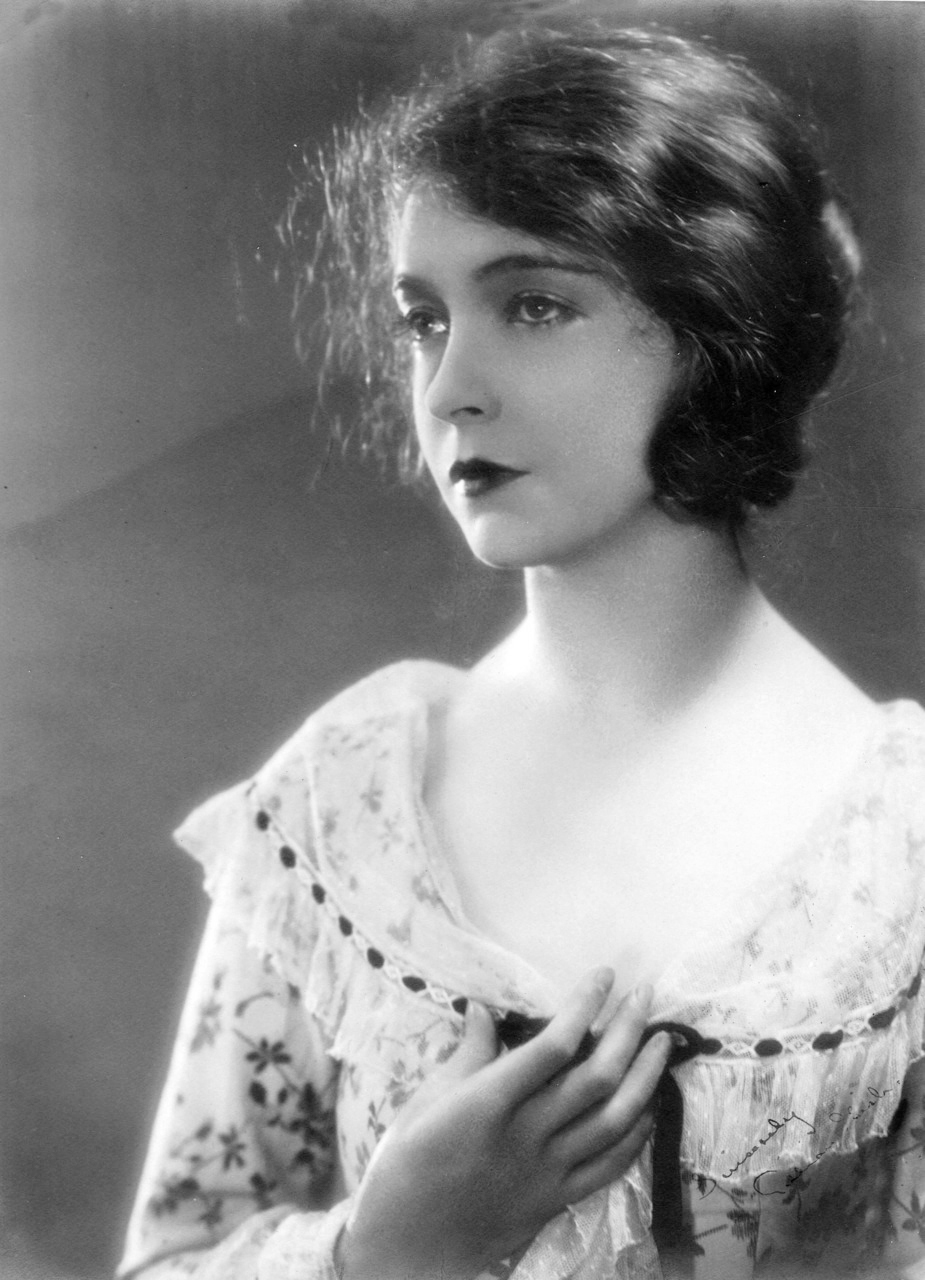
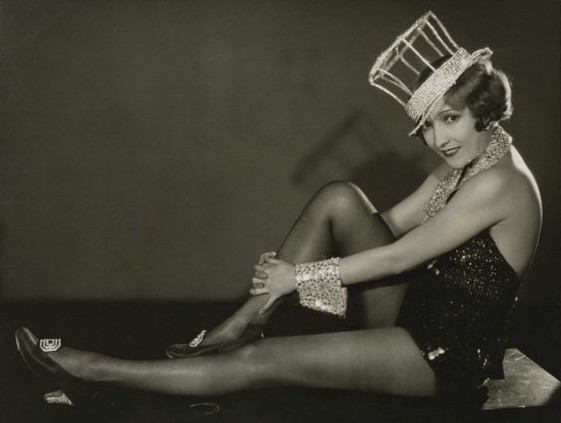
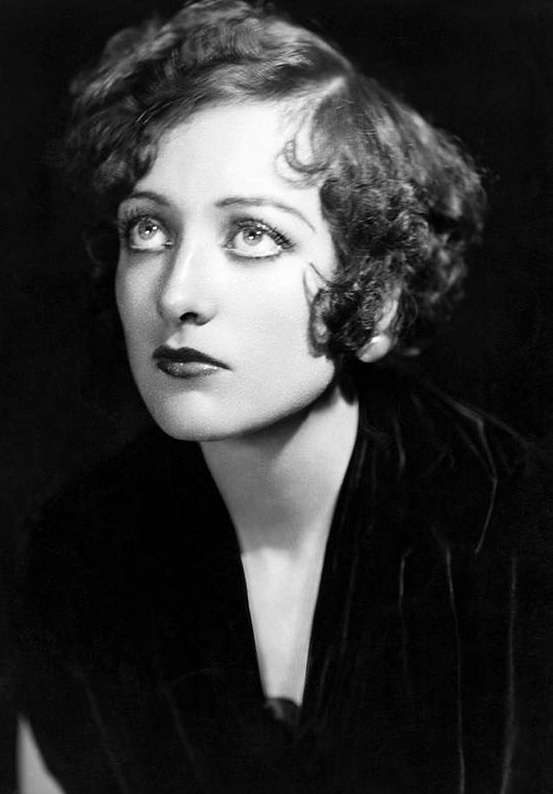
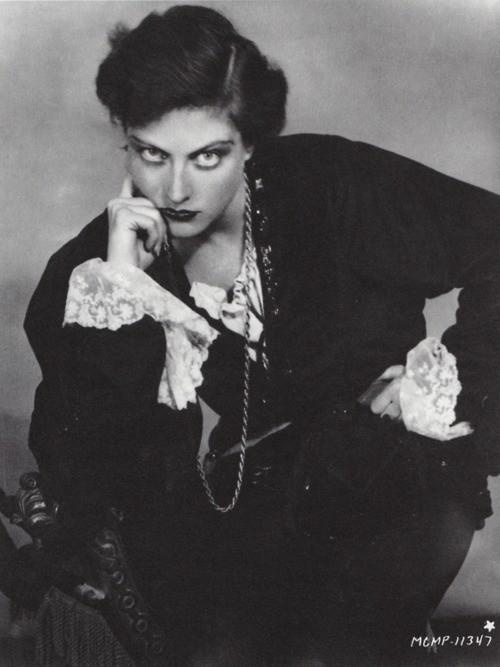
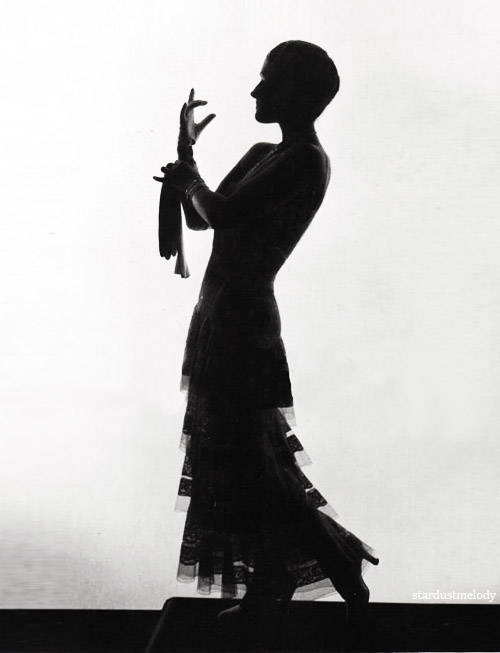
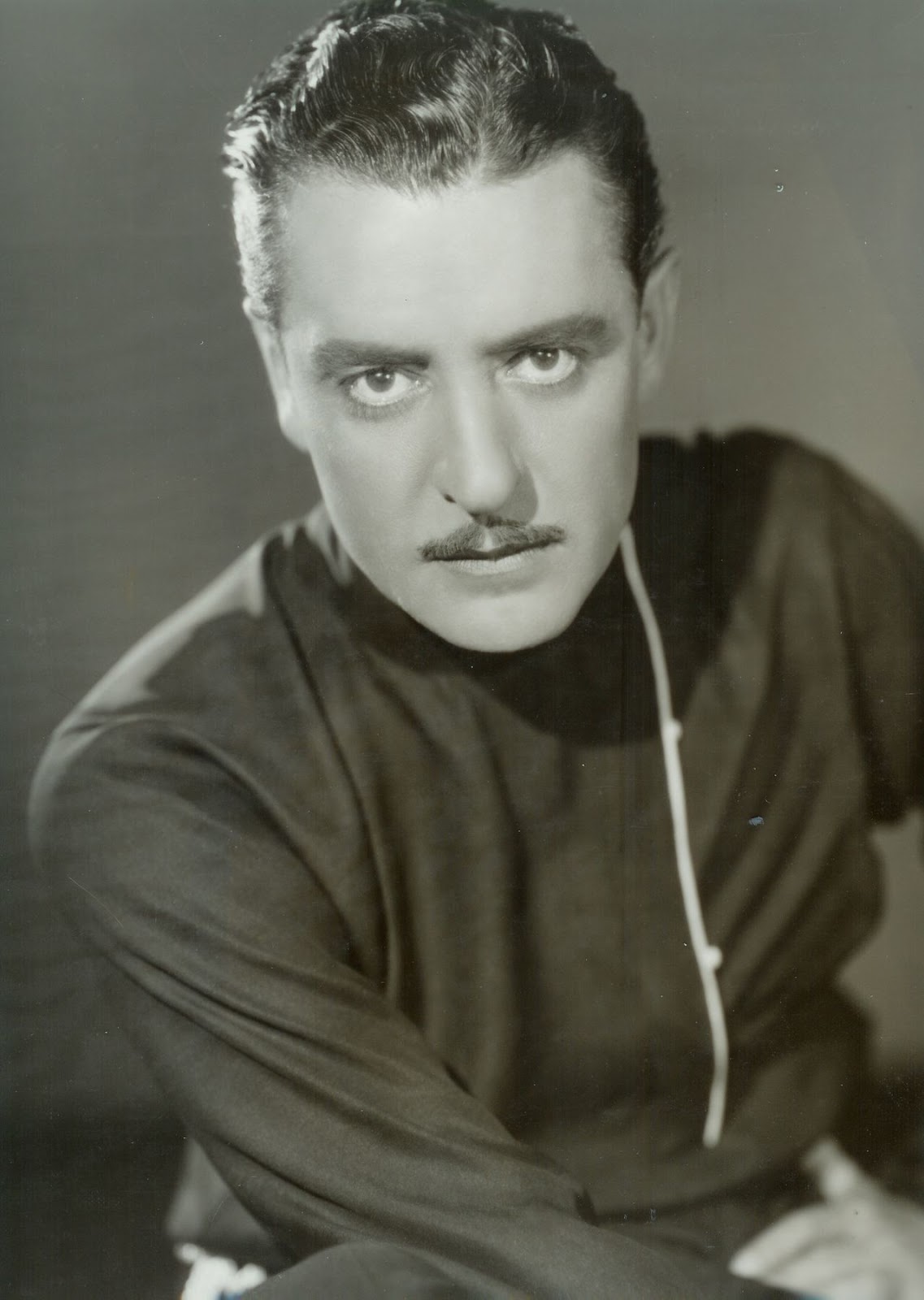
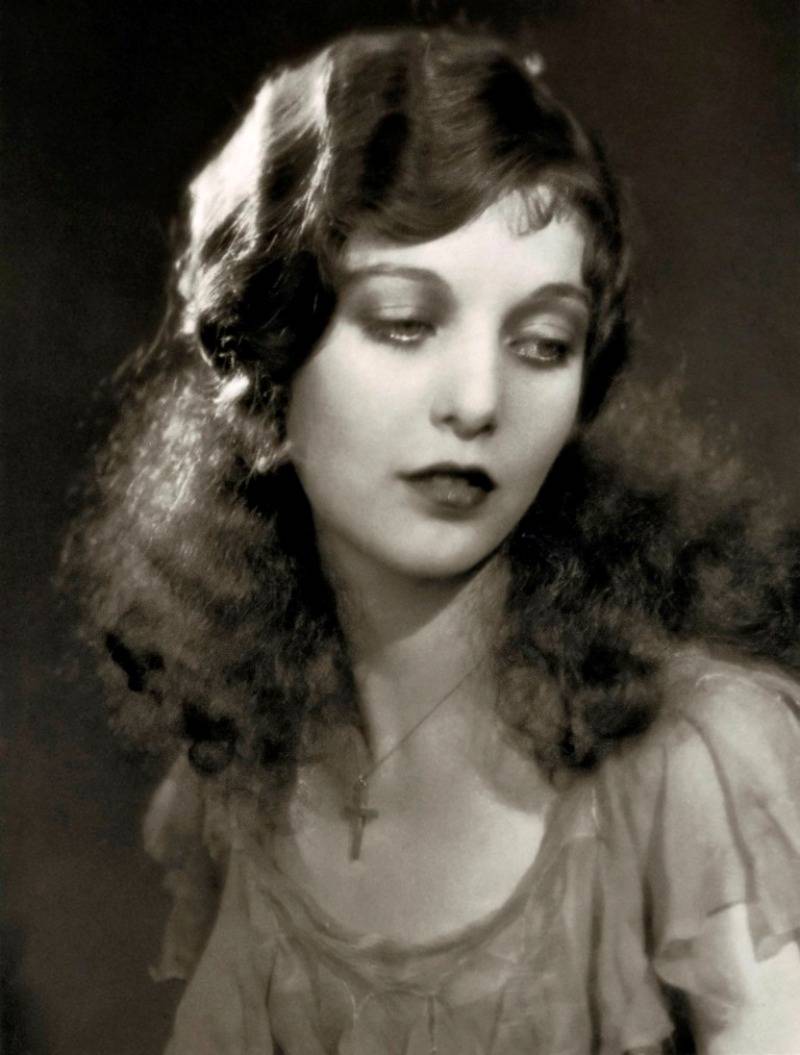
    Ruth Harriet Louise, born Ruth Goldstein on this date in 1903, came to Los Angeles at only age 22 and set up a portrait photography studio in the booming Hollywood district where, providentially, rising mogul Louis B. Mayer saw her work and hired her to make stills of his stars. During this era, and decades that followed, posed star photographs were almost as important a part of the Hollywood star apparatus as the films themselves. Movie magazines were devoured by the masses and stars, carefully arranged, dressed, made-up and retouched, were often introduced to audiences by means of these publications, or by movie theater window displays.

    Louise helped to develop the stylistic playbook of what we now call the era of Hollywood glamour.

    Here are some of her best shots:

    Lillian Gish
    Bessie Love
    Joan Crawford
    Joan Crawford posed as Hamlet
    Norma Shearer
    Garbo
    John Gilbert
    Loretta Young
    Buster Keaton (and Lon Chaney)
    Anita Page
    Anna May Wong
    The photographer and her subject (Joan Crawford)
  5. From Criterion: Farran Nehme on the Ultimate Newsroom Comedy

    Leave a Comment
    There’s a really terrific post today on Criterion’s website from Farran Smith Nehme, one of our favorite writers, about Howard Hawks’ absolutely wonderful 1940 screwball comedy HIS GIRL FRIDAY. This is some of the best stuff I have ever read about this film, a longtime favorite.
    A sample:

    But the most striking instance of hush amid chaos comes shortly after, when Mollie Malloy, played by Helen Mack in the only dead-straight performance in the picture, comes into the pressroom to berate the reporters. She took in Williams one night out of pity, and from this they spun a few days of leering fiction: “I never said I loved Earl and wanted to marry him on the gallows. You made that up.” Here is the underside of reporters’ callousness; their mockery isn’t funny when it’s turned on this sad woman. As Mollie approaches hysterics, Hildy gently leads her out of the room, which falls silent, in the longest, quietest shot of the picture, interrupted only by a call for Hildy, which is put on hold. Hildy returns at last, and holds a pose in the door for a moment, to get their attention. Then she says—with rue, not nastiness— “Gentlemen of the press.” 

    It’s one of the moments that show that Hildy’s femininity is an asset, not a liability. Tough as she is, she has an emotional intelligence that the boys in the back room lack. What’s more, they know it, and they respect her for it. The movie also slows down for a moment as they read her interview with Williams, and for their reaction: “I ask you, can that girl write an interview?”

    Nehme, whose film blogging has taken a backseat somewhat to her work for other prestigious outlets, is one of the most perceptive and readable writers going today. Her site, Self-Styled Siren, is a repository of many years of excellent articles about classic Hollywood topics. Check out her work if you have any interest in the field.

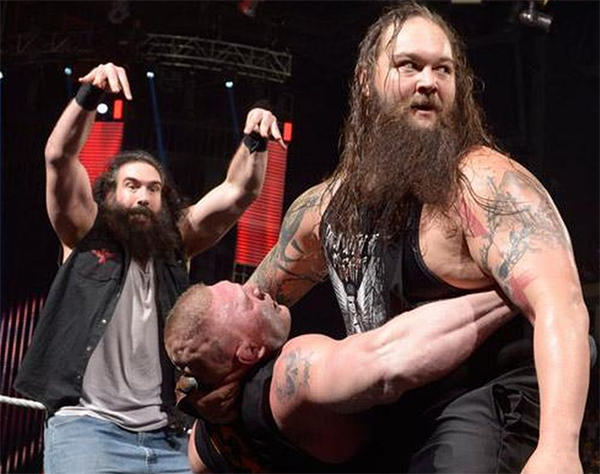
  6. KATE PLAYS CHRISTINE Director Robert Greene: What Docs Can Learn From Wrestling

    Leave a Comment


    Director Robert Greene (not pictured above) will join us for an International Documentary Association (IDA) co-presented Master Class on January 14 at 10am. The next day we will screen his newest film KATE PLAYS CHRISTINE at the Texas Spirit Theater at the Bob Bullock Texas History Museum.

    Robert Greene’s new film has been blazing its way through the year-end Best-Of lists and we can understand why. Right now the complicated relationship and interdependence of reality and fakery is under the microscope in new and urgent ways. In some ways, Greene has been a prophet of this kind of intensive analysis. His films FAKE IT SO REAL (2012) and ACTRESS (2014) show us performers doing their acts on very different stages, in the first case they are backyard wrestlers and in the second case a retired actress trying to resume her career at the expense of her family life. He also contributed one of the best pieces about Donald Trump’s unreal appeal last May.

    Greene feels that in many ways professional wrestling is one of the most important cultural art forms of the age, and even called Wrestlemania “a near perfect art experience.” He goes farther in this BFI article, finding in professional wrestling an important analogue for documentary filmmaking:

    The compression of real and fake elements into one flattened presentation works with the flamboyant and ludicrous aspects of wrestling to create a feeling of escapism-through-deeper-legitimacy. Addictive escapism, of course, helps the promoters sell merchandise and the wrestlers get paid. But in the ring, because many of the guys lack acting chops and because admitting the ‘entertainment’ aspect is crucial to wrestling promoters evading the regulations of ‘authentic’ sports, the ruse is always apparent and the unreality is wholly embraced. The viewer is encouraged to see the unavoidable artifice because it exists within the framework of a highly physical, dangerous, demanding, live experience. This reinforcement of self-awareness is what makes wrestling so interesting. Think Bertolt Brecht booking a boxing match. 

    If we truly understand this layering in wrestling, maybe we can uncover some of the deeper ways in which nonfiction filmmakers craft their own unrealities. In documentary cinema, there is a similar need to create a sense of truth by way of inherently artificial constructs, namely shooting and editing. 

    This is especially apparent when developing nonfiction performances out of the recordings of real people. The production of a documentary character is the moulding of traits from exaggerated snippets of observed reality. Whether that character is created in the interview chair or by a trailing camera, success depends on the documentary filmmaker convincing his/her viewers that truth is being expressed, despite the artificial.

    Also, listen as Greene further elaborates about the process of making documentary films, with a special emphasis on his newest film KATE PLAYS CHRISTINE on the Indiewire Filmmakers’ Toolkit podcast here.

  7. The Bob Dylan/John Lennon Improv Comedy Experience: 1966

    Leave a Comment
    In 1967, D.A. Pennebaker released his epochal documentary DON’T LOOK BACK (which the Austin Film Society will screen at the Paramount Theater on Thursday January 19 with special guest host Austin Chronicle Music Editor Raoul Hernandez). The film follows Bob Dylan and his entourage on their first UK tour. It is a great musical doc, of course, but it also depicts a fascinating evolution in language, consciousness, and style, with Dylan at the center of it.
    Less well known is the fact that Dylan and Pennebaker returned to England a year after the filming of DON’T LOOK BACK. This time Dylan had gone electric, and the tour was a much rocker road. The film that Dylan and Pennebaker intended to make was called EAT THE DOCUMENT, but Dylan was never quite satisfied with it and the footage has mostly been hidden away in the vault since it was filmed.
    One portion of this footage has made the rounds among collectors and has even been uploaded to YouTube (linked below). Forgive the terrible quality but I think you’ll agree that this long rambling discussion/comedy routine/cutting session between these two acerbic rival geniuses is worth the lo-fi watch. Hint: turn off Annotations.
    Many have speculated about what drug or drugs Dylan has taken prior to filming this. That, as far as I know, is still uncertain, but what is certain is that this piece of film is hysterically funny, and revelatory about these two, their attitude to each other, and to their peers.
    Sample dialogue:

    Dylan: (to driver) Tom, I’m going to turn you into Tyrone Power.

    Lennon: Say that again Bob.

    Dylan: Tom, I think I’m going to turn you into Ronald Colman…

    Lennon: Much better, very much better.

    Dylan: …Reginald Young, Petey Wheetstraw… plus Sleepy John Estes, man… (unintelligible)… like Robert Johnson, and go to medical school like J. Carroll Naish.

    Lennon: And Johnny Cash, and all the rest of ’em.

    Dylan: I have Johnny Cash in my film… You’ll shit, man.

    Lennon: Oh really.

    Dylan: Yooooou’re gonna shit man. You won’t believe it.

    Lennon: (in a theatrical voice) “Hello kids, John’s gonna shit again!”

    (Laughter)

    Dylan: You know what he looks like, right, Johnny Cash? Have you spent much time around him? He moves great. He moves like that, man (mimes karate-chop-like move)… All good people move like that… (to camera): Johnny!

    Lennon: Johnny! (sings) Big river… big river….

  8. Watch This: Texas Archive Of The Moving Image Presents Austin in the ’70s

    Leave a Comment
    From DOLLS, by Dwight Adair and Gary Ganter

    The Texas Archive Of The Moving Image (TAMI), now in its 15th year, continues to provide a valuable service to all of us, and to posterity, by preserving film artifacts and making them available and accessible to all. Their ongoing mission is well worth tracking, and, as they are a non-profit, you can contribute to them as well.

    This week they have posted some films from the William Mackie collection. Mackie was a professor in the University Of Texas’ Radio Television & Film Department in the ’70s and ’80s and these films, made by his students, provide an interesting look at central Texas in the ’70s, both on-campus and off.

    Watch the whole collection of six here. Of particular interest may be this one, the 1976 film by student Frank Binney, called LAST OF THE LITTLE BREWERIES. It takes the viewer inside the Spoetzl Brewery where Shiner Bock is made and founder Kosmos Spoetzl’s Bavarian legacy lives on.

    On the weird fringe is this film by Dwight Adair and Gary Ganter: DOLLS is an avant-garde film depicting the on-campus university beauty pageant. In both documenting and commenting upon this pageant, the filmmakers provide an especially valuable time capsule, not only of the kind of prosaic, all-American vulgarity of the times, but also of freak culture’s attitude toward it.

  9. The Year In Movie Longreads Part 3: The Final Chapter

    Leave a Comment

    Here is a third and final round-up of some of 2016’s best long-form writing on the subject of film.

    • In Hazlitt.net, Soraya Roberts writes about Winona Ryder as a performer, and a phenomenon, in “Winona, Forever.”
    • The BFI has reprinted a diary by the late Raoul Coutard, not a household name, but one of the most important image-makers in the medium’s history, in which he reveals what he learned from working on Godard’s early films.


  10. Longreads II: Eclectic Overview

    Leave a Comment

    For your holiday season delectation, here are a few more of the best movie related long-form pieces from 2016. My title is meant to be a play on BREAKIN’ II: ELECTRIC BOOGALOO. If that was not immediately obvious, I hope you will now re-read it, understand the joke, and laugh appreciatively.

    Here are the articles:

    • Davis Bertrand takes us inside the Ugandan commercial film industry, colloquially known as Wakaliwood, in his expansive Hazlitt.net piece, “Small But Supa Tough.”
    • The New Yorker has a fascinating piece, written by Tad Friend, profiling mid-budget movie exec Adam Fogelson, “The Mogul Of The Middle.” Lots of insight about the financial realities of movies today.
    • The BFI takes a fresh look at Film Noir’s French bona fides. Ginette Vincendeau shows us that France provided more than just a name to this legendarily American form in the article “How the French Birthed Film Noir.”
  11. The Year in Movie Longreads, Episode I: The Phantom Thinkpiece

    Leave a Comment

    Every year there are a number of long, substantive articles; thinkpieces, profiles, interviews, scholarly overviews; that are published, noted, bookmarked, and, in some cases, never gotten around to. The holidays provide many opportunities for catching up.

    Over the next couple of posts, I will attempt to collect some of those longreads that you may have missed, or not had a chance to devote much attention to. Here are some of the best thinkpieces of the year.

    • In Film Comment, Shonni Enelow examines the phenomenon of emotional contact (and the withholding of emotional contact) with our movie stars in the piece The Great Recession.
  12. Watch This: Serge Gainsbourg & Jane Birkin’s 1971 TV Masterpiece MELODY

    Leave a Comment

    Today is the 70th birthday of actress, singer, songwriter and style icon Jane Birkin. She has appeared in films by Antonioni, Rivette, Varda, Godard, Resnais, Tavernier, Hong Sang Soo and many others. To many, she may be best known for her collaborations with musician Serge Gainsbourg: singles, albums, scandals, and a daughter, Charlotte Gainsbourg, whose own resume is fairly packed with accolades.

    Her collaborations with Serge Gainsbourg are pure magic. The video linked below is perhaps the most comprehensive example of the kind of sparks they made together. Directed by music video pioneer Jean-Cristophe Averty, it is a video designed to accompany the concept album “Histoire de Melody Nelson” and it includes those songs in their entirety. This is one of the great pieces of music-video ever created, a masterpiece in both visual and aural form. The delirious choral and string arrangements by Jean-Claude Vannier, kick in to high gear in the last chapter and the piece achieves something like the nirvana intended. Enjoy.

THANK YOU TO OUR SPONSORS